
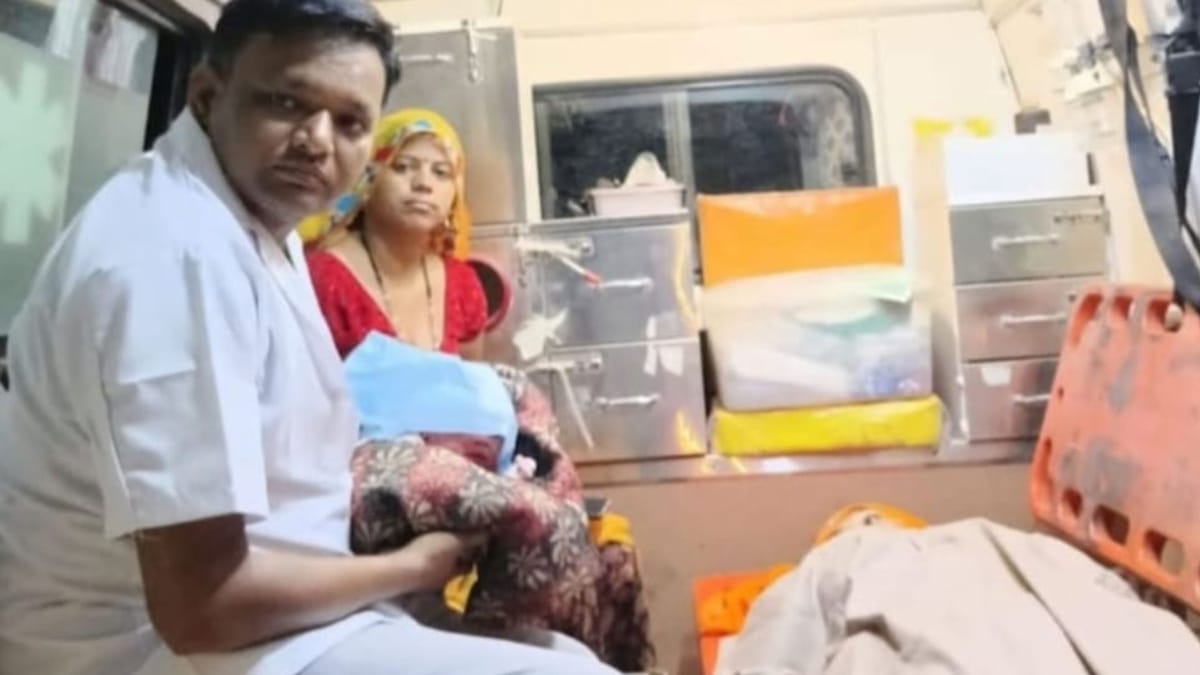
Two pregnant women from the Pratapgarh locality of Alwar were en route to a specialised maternity facility in Jaipur when their labour pains escalated dramatically, compelling the ambulance crew to conduct deliveries inside the vehicle. The emergency transport, which had been dispatched as part of a standard inter‑district referral, became a makeshift delivery room, and both women gave birth to healthy newborns without further complications.
The incident underscores a long‑standing pattern in Rajasthan where rural patients are referred to urban tertiary centres for obstetric care. Historically, the state’s health infrastructure has relied on a network of primary health centres and sub‑district hospitals that lack comprehensive emergency obstetric services, prompting referrals to larger cities such as Jaipur. Over the past decade, the government has invested in ambulance fleets and referral protocols, yet gaps remain in timely access to skilled birth attendants during transit.
On the ground, the ambulance was equipped with basic life‑support equipment but not with a fully trained midwife. The two women, whose ages and medical histories were not disclosed, experienced heightened uterine contractions that could not be managed by the paramedics alone. The crew, following standard emergency guidelines, initiated delivery procedures, monitored the mothers’ vital signs, and ensured that the newborns were cleared for breathing before handing them over to the receiving hospital staff in Jaipur.
Local health officials, while unable to provide direct quotations, indicated that the situation highlighted the need for enhanced training of ambulance personnel in obstetric emergencies. Community members expressed both relief at the safe outcomes and concern over the systemic reliance on distant hospitals for routine deliveries. Traders in the Pratapgarh market noted that many expectant mothers travel long distances for prenatal check‑ups, reflecting broader socioeconomic pressures.
The event has particular resonance for the Kotputli‑Behror district, which shares similar referral pathways with Alwar. The district’s agricultural economy depends on a healthy workforce, and disruptions caused by maternal health emergencies can affect labour availability during peak farming seasons. Moreover, the successful deliveries prevented potential complications that could have placed additional strain on local health resources.
In response, the Alwar district medical officer has pledged to review ambulance staffing protocols and to explore the deployment of dedicated obstetric emergency kits. The state health department has been urged to accelerate the establishment of fully equipped birthing units at sub‑district hospitals, thereby reducing the need for long‑distance referrals. Administrative meetings are scheduled to assess the incident and to formulate actionable recommendations.
Looking ahead, the health administration plans to conduct periodic drills that simulate obstetric emergencies in transit, aiming to improve response times and outcomes. Community awareness campaigns are also slated to educate expectant mothers about early warning signs and the importance of timely medical attention. Stakeholders anticipate that these measures will gradually diminish the frequency of in‑transit deliveries and strengthen the overall maternal health framework in the region.