
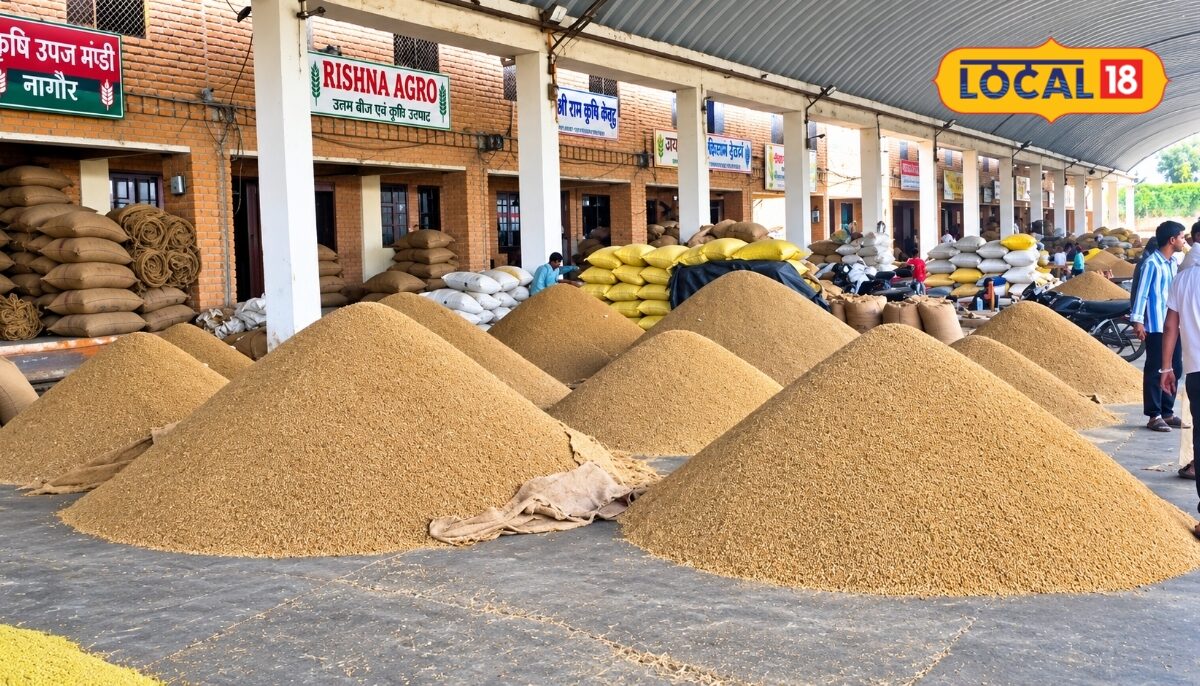
Heavy and steady arrivals of cumin, which serves as a premier rabi season spice crop, have officially commenced at the prominent agricultural produce market located in Nagaur, Rajasthan. Agricultural market participants and regional observers have confirmed that the initial supply phase has brought significant activity to the trading floors. This seasonal transition marks a critical period for agricultural commerce, drawing extensive attention from cultivators and commercial entities alike across the regional marketplace.
Historically, the regional agricultural landscape has depended heavily on the successful cultivation and timely commercialization of spice crops. Cumin occupies a paramount position within the traditional crop rotation patterns followed by local cultivators. The commencement of trading operations at the local marketplace reflects broader seasonal agricultural cycles, wherein the culmination of months of intensive cultivation finally translates into marketable commodities and vital economic returns for the rural workforce.
Conversations with key market participants, including experienced traders and active farmers, highlight a prevailing atmosphere of cautious optimism. Traders have strongly advised cultivators to ensure meticulous cleaning and proper grading of their cumin produce before transporting it to the market yards. Such proactive measures are emphasized to secure the highest possible market valuations, thereby maximizing the financial viability of their agricultural output during the ongoing peak trading season.
The economic ripple effects of these favorable market developments extend directly into the broader regional economy, positively influencing community commerce and household livelihoods. Agricultural families look toward these initial market valuations as a critical benchmark for the entire season. Stronger financial inflows at the local level stimulate secondary commercial activities, benefiting transport providers, local vendors, and associated service sectors throughout the wider district and surrounding communities.
While formal administrative interventions remain focused on maintaining transparent auction procedures and orderly marketplace logistics, market committees continue to monitor daily trading volumes closely. Ensuring fair trade practices, accurate weighing mechanisms, and transparent bidding environments remains a primary objective for market administrators. These institutional safeguards are designed to protect the economic interests of cultivators while maintaining the integrity and reputation of the agricultural marketplace.
Looking ahead, market analysts and agricultural experts anticipate that as seasonal arrivals increase progressively in the coming days, broader market trends will become substantially more definitive. Farmers have been advised to remain closely informed regarding daily price fluctuations, quality benchmarks, and prevailing market dynamics before finalizing their commercial decisions. Strategic planning and informed decision-making will remain paramount as the trading season unfolds fully across the region.
