
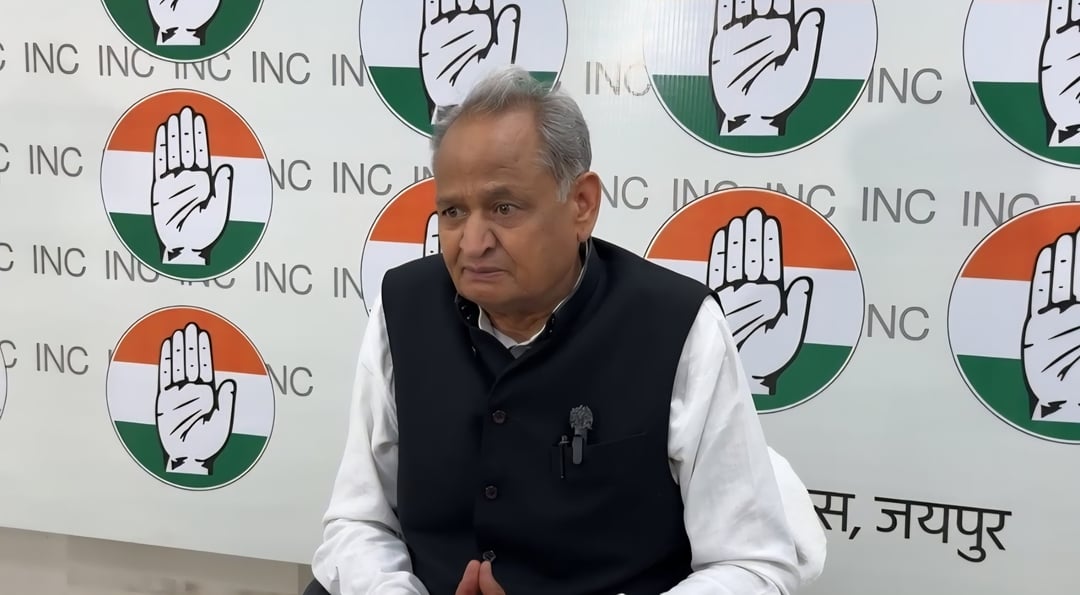
Senior political leader Ashok Gehlot has strongly criticized the central Modi government over the newly proposed delimitation bill, alleging that the legislation is a calculated move to influence the democratic framework of the nation. According to the statements issued from Rajasthan, the core objective behind these legislative steps is not merely administrative restructuring, but a strategic attempt to establish a permanent political dominance under various legislative covers.
The controversy surrounding the delimitation process has historical depth and administrative implications. By questioning the fundamental framework of how constituencies are proposed to be redrawn, critics like Ashok Gehlot have reignited debates about federal balance and demographic representation across various states, particularly in regions that have made significant progress in population control over past decades.
A major point of contention highlighted in these discussions is the utilization of the 2011 census as the primary benchmark for the proposed delimitation exercise. Stakeholders and political analysts argue that relying on data that is more than a decade old could penalize progressive states that have efficiently managed their population growth, thereby creating severe demographic imbalances in parliamentary and legislative representation.
Weighing in on the ongoing political discourse, regional voices and local observers have expressed deep concern over how these macro-level policies will trickle down to grassroots governance structures. The debate has intensified discussions regarding upcoming panchayat elections and the overall stability of local self-government institutions in Rajasthan, where administrative efficiency remains a pressing public concern.
The regional impact of these national policies is being closely monitored across districts in Rajasthan. Local political functionaries and community leaders are analyzing how changes in electoral boundaries and legislative reservations will alter local power dynamics, affecting everything from developmental fund allocations to representation in rural governing bodies.
Responding to the mounting criticisms, political circles are demanding greater transparency from the central authorities and the Rajasthan government. Administrative experts emphasize that statutory oversight and broader bipartisan consultations are essential before implementing sweeping changes that could fundamentally alter the nation's federal structure and electoral integrity.
As the political debate surrounding the delimitation bill and related administrative actions continues to unfold, public expectations remain high for clear clarifications from both the central and state administrations. The timeline for upcoming legislative sessions and local elections will likely see heightened political friction as opposition leaders maintain pressure on the ruling establishment regarding these contested governance measures.
