
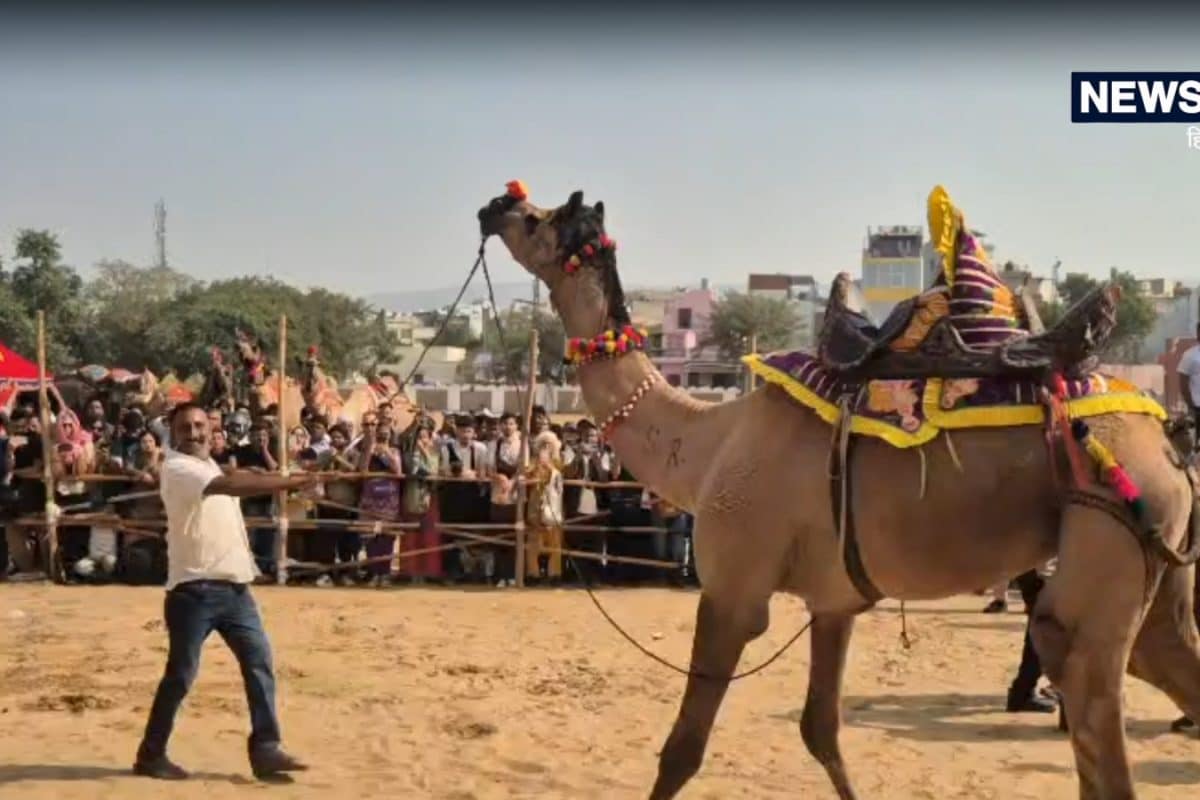
The globally renowned Pushkar Fair in Ajmer has once again captured international attention as foreign guests enthusiastically immersed themselves in traditional Indian sports and cultural festivities. Known for its vibrant display of Rajasthani heritage, the annual fair witnessed a unique spectacle where visitors from across the world stepped out of the audience and directly onto the cultural playing field, engaging in age-old rural pastimes.
Historically, the Pushkar Fair has served as a monumental convergence point for trade, spirituality, and cultural diplomacy. Originating as a traditional livestock fair centred around the holy Pushkar Lake, it has progressively evolved into a massive international tourism destination. Over decades, the festival has expanded its repertoire to include various indigenous competitions, folk performances, and artistic exhibitions designed to celebrate the rich fabric of rural Indian life.
This year, the ground reality of the festival was marked by extraordinary participation from international tourists in native athletic events. Among the most popular attractions were traditional games such as Langdi Taang and Satoliya, which tested the physical agility, strategic thinking, and cooperative spirit of the players. These events provided an immersive, hands-on experience of indigenous sports that have been passed down through generations in rural households.
Specifically, the official records highlight that a total of 9 foreign players participated with immense zeal in the high-energy Langdi Taang competition. Their enthusiastic involvement demonstrated a deep appreciation for local customs, as they navigated the rules and physical demands of the game alongside local participants. Observers and fellow attendees applauded the dedication of the international guests, noting that such interactions foster profound cross-cultural understanding and mutual respect.
Beyond the immediate boundaries of Ajmer, the cultural resonance of the Pushkar Fair extends significantly to surrounding regions, including the Kotputli-Behror district. Local communities and tourism stakeholders in these neighbouring areas closely monitor the success of the fair, as it sets a benchmark for promoting regional tourism, traditional handicrafts, and indigenous sports on a global stage. The influx of international travelers visiting Rajasthan for the fair indirectly bolsters the broader state economy and encourages rural tourism initiatives.
Administrative authorities and festival organizers have consistently implemented robust logistical measures to ensure the smooth conduct of these diverse competitions. Adequate security, crowd management, and translation assistance are coordinated by local district administration officials and tourism boards to facilitate seamless communication between foreign guests and local event coordinators. These administrative efforts ensure that safety standards are maintained while preserving the authentic, grassroots charm of the festivities.
Looking ahead, the successful integration of international visitors into traditional Indian sports points toward an increasingly inclusive future for the Pushkar Fair. Organizers plan to expand these participatory events in upcoming editions to accommodate the growing interest from global travelers. As the fair continues to evolve, it remains a powerful testament to the universal language of sport and the timeless allure of Rajasthan's cultural heritage.
