
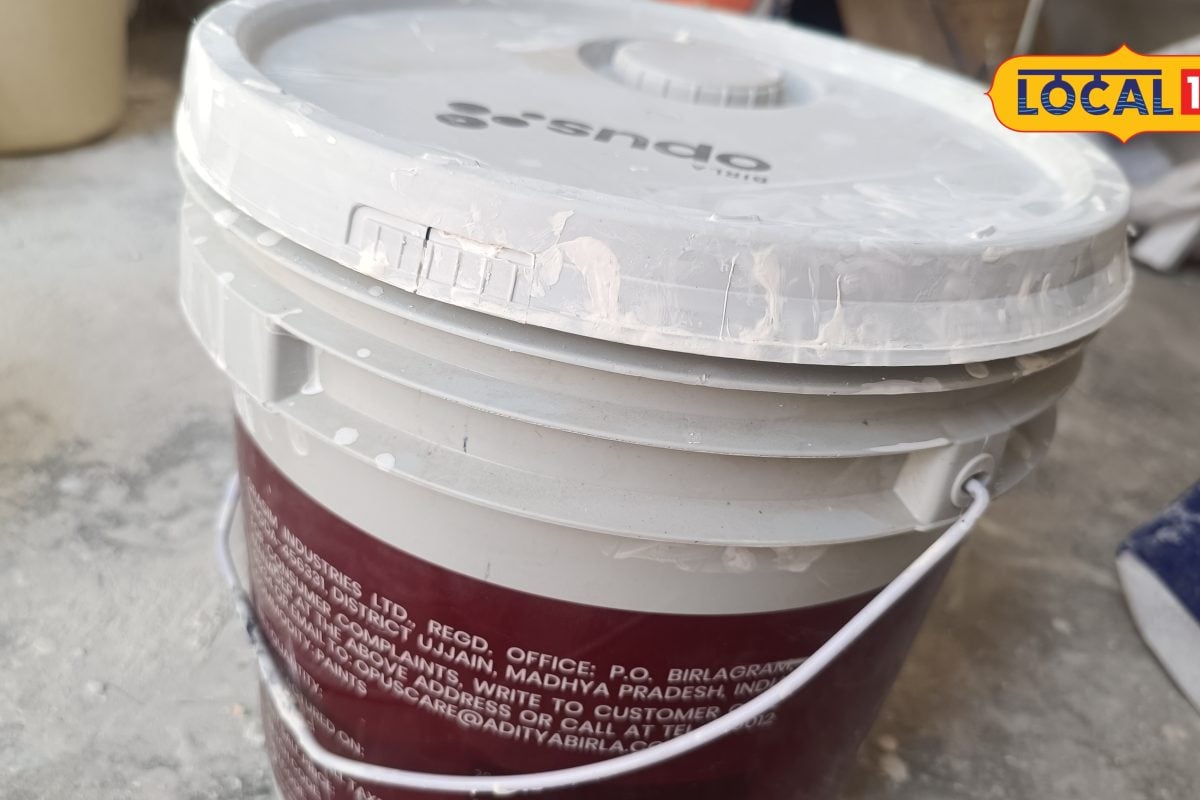
As the festive season of Diwali draws to a close, households across various neighborhoods frequently confront the challenge of managing residual waste generated from extensive home whitening, whitewashing, and painting activities. A prominent item left behind in substantial quantities is the empty plastic paint bucket, which is often hastily discarded into scrap yards or municipal waste bins without a second thought. Environmental advocates and sanitation experts emphasize that throwing away these sturdy plastic containers not only contributes needlessly to mounting urban landfill burdens but also represents a missed opportunity for practical household resource conservation.
The tradition of annual autumnal home renovations has deep cultural and social roots, symbolizing purification, prosperity, and a fresh start for families as they welcome festive celebrations. Historically, households would utilize rudimentary materials for wall maintenance, but modern home improvements rely heavily on synthetic emulsion paints, primers, and distemper packaged in heavy-duty high-density polyethylene buckets. The sheer volume of packaging material consumed during the festive construction peak underscores the pressing necessity of adopting systematic waste reduction and material reuse strategies at the individual household level.
Examining the ground reality of post-festival cleanups reveals that ignoring proper disposal and cleaning protocols can lead to localized environmental hazards, particularly when viscous liquid paint residues are washed down household drainage systems. Disposing of chemical paints improperly into municipal sewers causes pipe blockages, contaminates groundwater networks, and severely disrupts wastewater treatment infrastructure. Experts urge citizens to adopt meticulous clearing techniques, beginning with wiping away wet paint residue using discarded absorbent cloths, followed by utilizing a rigid plastic scraper to dislodge dried paint flakes without damaging the structural integrity of the plastic receptacle.
Addressing the broader community stakes, local environmental stakeholders and civic volunteers advocate for heightened awareness regarding chemical safety when dealing with repurposed containers. Direct consultations with public health advisors stress that buckets previously containing toxic chemical formulations, solvents, or lead-based paints must under no circumstances be deployed for storing potable drinking water or food items. Adhering to these strict safety boundaries safeguards family health and prevents inadvertent chemical ingestion, transforming potential domestic hazards into safe, highly functional utility assets.
Looking at the regional socio-economic landscape, encouraging households to repurpose paint containers fosters a localized culture of sustainability, resourcefulness, and thriftiness that resonates strongly within community networks. Instead of purchasing new plastic storage bins or utility tubs from commercial markets, residents can leverage these sturdy, durable containers for essential domestic chores such as floor mopping, laundry soaking, and debris collection. This grassroots recycling mindset reduces overall household expenditures while simultaneously alleviating the operational pressures faced by local municipal waste management authorities.
On the administrative front, municipal corporations and civic bodies increasingly promote responsible waste mitigation frameworks, advising residents to separate recyclable plastics from general refuse during annual cleanup drives. While formal statutory regulations primarily target industrial waste generators, municipal guidelines increasingly emphasize public cooperation in managing domestic non-biodegradable debris. Educational campaigns organized by local civic groups aim to inform citizens about proper cleaning methodologies—such as washing scraped containers thoroughly with household detergent and water before drying them under direct sunlight.
Concluding the comprehensive framework for post-renovation resource management, the forward outlook encourages a permanent behavioral shift toward circular domestic economy practices. As communities look toward upcoming seasonal cycles and future infrastructure maintenance projects, integrating simple reuse routines into daily life establishes a resilient foundation for environmental stewardship. By transforming discarded paint buckets into valuable tools for plantation, gardening, and sanitation, households actively contribute to a cleaner, greener, and more sustainable civic ecosystem.
