
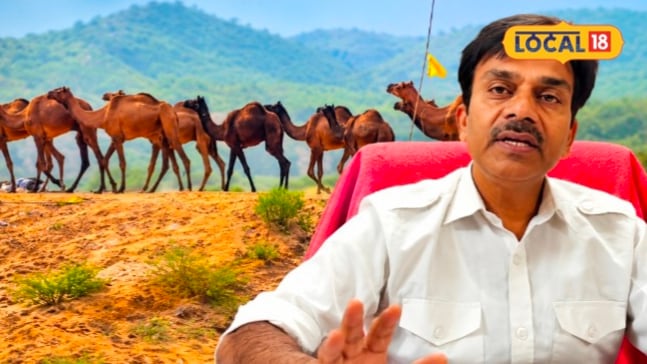
The Animal Husbandry Department has rolled out comprehensive healthcare arrangements for livestock arriving at the prestigious Pushkar Animal Fair in Ajmer for the year 2026. This year's administration focuses heavily on ensuring the health and well-being of camels, horses, and various other domestic animals that congregate at the historical ground. By deploying dedicated medical teams, the department aims to provide robust health coverage throughout the duration of the fair.
Historically, the Pushkar Animal Fair has served as a central cultural and economic hub for livestock traders across the region. Over decades, this annual gathering has evolved from a traditional trading post into a massive socio-economic event, drawing thousands of breeders and traders. Maintaining the health of prized livestock has always been paramount, given the historical significance of the fair in Rajasthan's rich pastoral heritage.
On the ground, the logistical preparations include the establishment of specialized medical camps and the deployment of mobile veterinary units to address urgent health needs. Livestock owners attending the fair will benefit from completely free medical treatments, eliminating financial burdens associated with veterinary care. Furthermore, sophisticated diagnostic infrastructure has been integrated into the fairgrounds to ensure rapid medical interventions.
Animal traders and breeders have expressed relief regarding these timely administrative measures, noting that access to professional veterinary support significantly reduces economic risks. Local stakeholders and community representatives have commended the proactive stance of the Animal Husbandry Department, emphasizing that safeguarding animal health is vital for the preservation of traditional livestock rearing practices.
The impact of these robust health measures extends beyond the immediate boundaries of Ajmer, resonating deeply within neighboring administrative districts and pastoral communities. Breeders traveling from various regions to participate in the 2026 fair rely heavily on these government-backed interventions to protect their valuable assets, thereby stabilizing the regional rural economy during the trading season.
Administrative oversight remains stringent, with senior officials from the Animal Husbandry Department directly monitoring the deployment of mobile laboratories and specialized medical staff. These mobile units are fully equipped to conduct immediate screenings for blood parasites and prevalent skin infections, which historically pose severe threats to camels and horses.
Looking ahead, the operational framework established for the 2026 fair sets a high benchmark for animal welfare management at large-scale gatherings. As the schedule unfolds, officials anticipate seamless execution of blood, stool, and urine sample testing through mobile laboratories, ensuring that every participating animal receives optimal medical attention and care.
