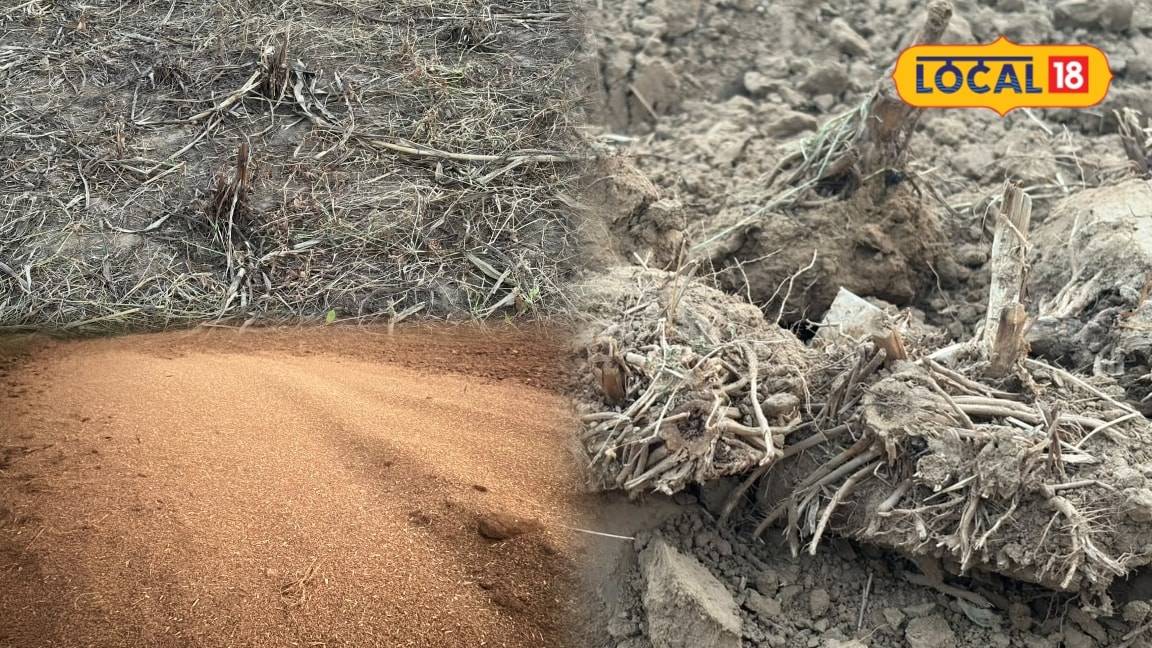
As the harvesting season for pearl millet progresses across Bharatpur and surrounding regions, agricultural authorities have released critical management guidelines for handling post-harvest crop residue. Farmers are strongly advised not to leave stalks, stubble, and unwanted weeds scattered across their fields after the harvest is completed. Proper sanitation of agricultural land is considered an indispensable prerequisite to ensure high yields and optimal productivity during the subsequent farming cycle.
The traditional practices followed by agrarian communities often involve clearing the land haphazardly, but modern agricultural science underscores the necessity of systematic residue management. Leaving residue unattended creates significant logistical hurdles, particularly when deploying heavy agricultural machinery and modern implements for subsequent tilling and sowing operations. Furthermore, accumulated vegetative waste acts as a breeding ground for persistent weeds, which can severely compromise the nutrient absorption capacity of the upcoming crop.
Ground realities across the agricultural belt indicate that managing these organic leftovers requires deliberate planning and resource allocation. Unmanaged stubble and grass obstruct mechanical seed drills and tractor-mounted implements, leading to increased operational downtime and financial losses for cultivators. Addressing this logistical challenge systematically ensures that the soil retains its structural integrity while preparing an ideal seedbed for the next agricultural rotation.
Agricultural stakeholders, including local farming cooperatives and agronomy experts, emphasize the absolute necessity of abstaining from the harmful practice of burning crop residue. Setting fire to leftover stubble destroys vital, beneficial soil microorganisms and earthworms that naturally enhance soil fertility and moisture retention. Instead of resorting to destructive burning, farming communities are urged to harvest and repurpose these organic remnants efficiently, turning potential waste into valuable agricultural assets.
The regional impact of improper residue management extends far beyond individual landholdings, influencing the broader ecological balance and agricultural economy of the district. In areas like Bharatpur, where intensive farming defines the local livelihood, sustainable soil health directly dictates community prosperity. Protecting the topsoil from thermal degradation and chemical imbalances ensures long-term agricultural sustainability and resilience against climatic vagaries.
Local administrative bodies and agricultural extension departments are actively engaging with farming communities to promote awareness regarding scientific residue utilization. Officials are conducting outreach programs to educate cultivators on transforming crop waste into useful commodities rather than discarding or burning it. These administrative measures are designed to enforce sustainable farming protocols while supporting local producers through technical assistance and advisory services.
Looking ahead, the successful implementation of these post-harvest management techniques will determine the success of the upcoming crop season. Farmers are encouraged to adopt eco-friendly practices such as utilizing leftover stalks and grass as nutritious animal fodder, thereby deriving economic value from farm waste. Through sustained community participation and adherence to expert advisories, the agricultural sector in the region can achieve higher productivity while safeguarding environmental health.