
With the gradual onset of the winter season and the consequent reduction in temperatures across the region, households naturally transition away from operating energy-intensive cooling appliances such as air conditioners and air coolers. Recognizing this seasonal transition, technical experts and consumer advisory desks have highlighted the paramount importance of administering comprehensive maintenance and systematic cleaning before storing these machines for the extended winter period. Neglecting post-season upkeep often leads to structural deterioration, mechanical failures, and unexpected financial burdens when summer eventually returns.
The historical practice of simply shutting down cooling electronics without implementing proper protective measures has long been identified as a primary cause of premature component failure. Over months of continuous operation during the scorching summer and monsoon seasons, internal mechanisms accumulate significant amounts of dust, airborne particulate matter, and internal moisture. Understanding this operational background helps appliance owners recognize why proactive intervention during seasonal shifts is essential for safeguarding their long-term financial investments in household electronics.
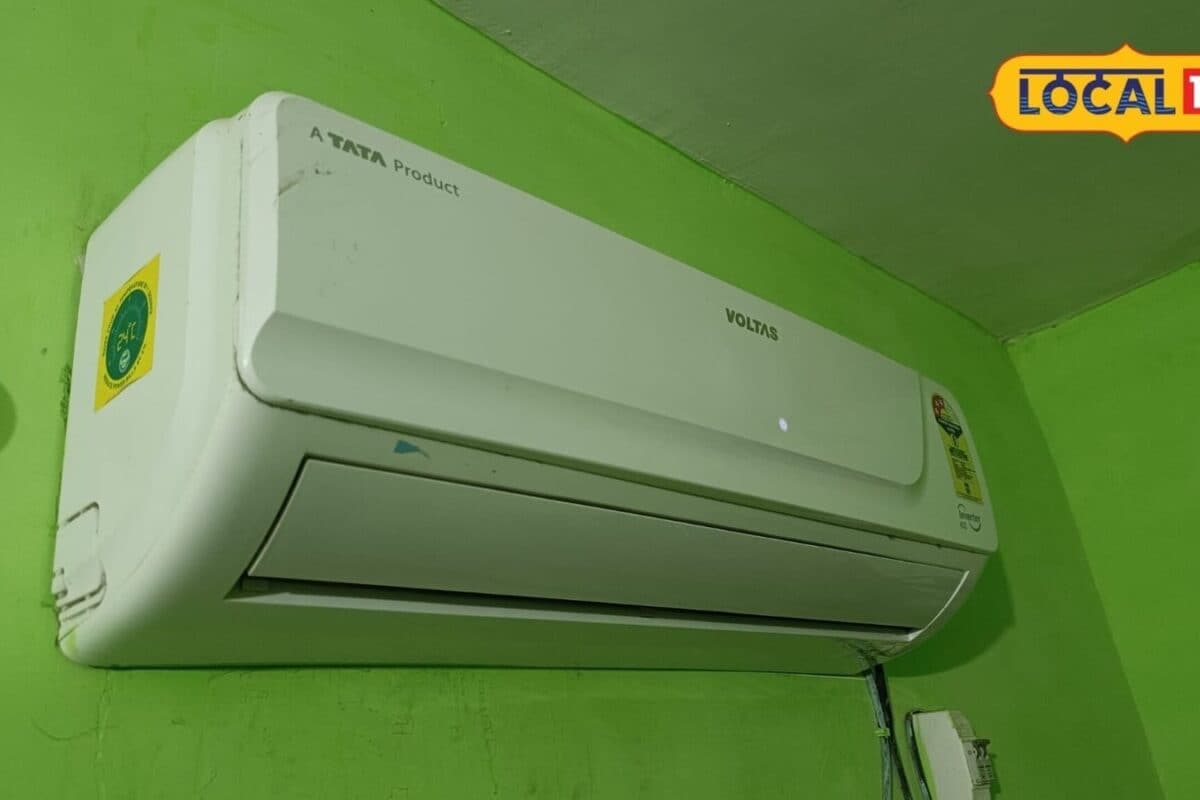
A thorough examination of technical guidelines reveals specific operational steps required for both air conditioners and air coolers. For air conditioning systems, maintenance protocols mandate the meticulous cleaning of internal air filters, as well as both the indoor and outdoor condenser units. Applying appropriate protective covers ensures that the delicate machinery remains shielded from relentless winter dust storms and atmospheric debris. Simultaneously, air coolers require a completely different set of preparatory actions, starting with the total drainage of stagnant water from the internal reservoir to prevent corrosion and unpleasant odors.
Local electrical technicians and appliance servicing professionals strongly advocate for these routine checks, noting that overlooking minor details can result in major malfunctions. According to seasoned repair technicians, failing to dry out cooler tanks or inspect cooling pads, water pumps, and internal pipes before storage frequently invites rust, mildew, and electrical faults. When homeowners invest a small amount of time into proper cleaning and protective casing, they directly mitigate these risks, thereby ensuring a seamless reactivation process when high temperatures return.
Across the residential neighborhoods of the district, the community-wide adoption of these preventative measures holds considerable significance for local households aiming to manage their domestic budgets efficiently. By taking preventive care of sophisticated electronic equipment, families can completely avoid costly repair bills, emergency technician fees, and premature replacements. This prudent approach to household management fosters greater economic resilience among residents who rely on these appliances for domestic comfort during extreme weather fluctuations.
While consumer protection boards and municipal utility departments do not directly regulate private domestic appliance maintenance, consumer advocacy groups consistently issue public advisories detailing best practices for seasonal storage. These educational campaigns aim to raise widespread awareness regarding household energy efficiency and equipment longevity. Authorities encourage citizens to consult certified technicians for complex servicing tasks, particularly when dealing with refrigerant lines and electrical connections in split and window air conditioning units.
Looking toward the future, experts recommend establishing a disciplined annual routine of appliance maintenance aligned precisely with regional climatic shifts. As winter progresses and spring approaches, proactive households that adhere to these systematic storage recommendations will undoubtedly experience superior cooling performance and lower energy consumption. Ultimately, diligent seasonal care represents a small yet highly effective investment in household sustainability and appliance durability.
