
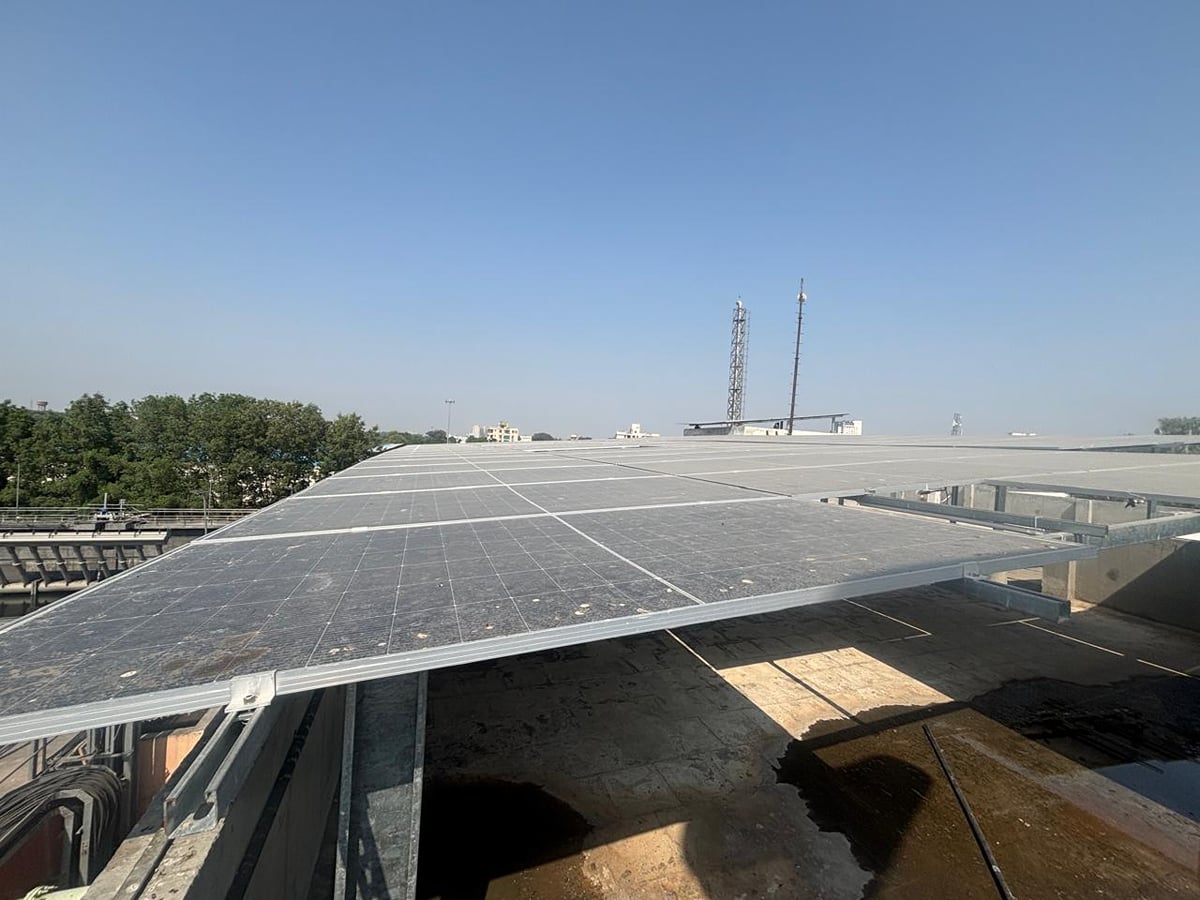
In a major infrastructural and environmental development, the Jaipur Development Authority has initiated a comprehensive planning phase to install five-megawatt solar power plants across key municipal locations. The ambitious renewable energy project focuses specifically on six sewage treatment plants and two prominent gardens situated along the historic Dravyavati River corridor. This strategic administrative intervention aims to transform municipal power consumption patterns by harnessing solar energy to fulfill high-demand operational requirements across these designated urban utility sites.
Historically, the management and continuous operation of municipal sewage treatment plants and large public gardens require substantial electrical energy, resulting in heavy recurring financial expenditures for the local administration. The Dravyavati River rejuvenation and maintenance projects have consistently faced high utility bills, prompting the Jaipur Development Authority to explore sustainable, cost-effective long-term alternatives. Transitioning toward solar power represents a vital evolution in urban resource management, addressing both fiscal sustainability and environmental conservation objectives concurrently within the urban landscape.
According to the detailed financial projections and technical assessments released by the authorities, the implementation of the five-megawatt solar plants will yield extraordinary economic returns. The municipal administration has calculated a direct and immediate electricity cost saving of 5.1 million rupees every single month once the solar infrastructure becomes fully operational. These consistent monthly reductions in utility expenses underscore the profound viability of integrating renewable energy generation directly into municipal utility networks and public recreational spaces.
Urban planning experts, civic administrators, and local stakeholders have welcomed the initiative, emphasizing its dual benefits of fiscal prudence and ecological stewardship. Representatives of the municipal corporation noted that reducing reliance on conventional grid electricity protects the local exchequer from fluctuating power tariffs. Furthermore, citizens and environmental advocates have expressed strong support for utilizing public gardens and utility lands for clean energy generation, pointing out the positive long-term precedent this sets for municipal governance across the region.
While the primary implementation is centered within the urban boundaries of Jaipur, the wider economic ripple effects are anticipated to influence surrounding districts, including Kotputli-Behror, by demonstrating scalable models of municipal energy independence. Neighboring regional bodies are closely observing this large-scale solar integration, evaluating how decentralized renewable installations can successfully alleviate budgetary pressures on local governance structures. The success of this project could potentially inspire similar sustainable energy transitions in municipal bodies throughout the broader administrative zone.
Administrative oversight for the project will be managed directly through specialized engineering cells within the Jaipur Development Authority, ensuring strict adherence to technical specifications, budgetary allocations, and quality control standards. Tenders, procurement processes, and site evaluations are currently moving through official channels to streamline the construction phase. Statutory compliance regarding environmental clearances and land utilization permissions is being meticulously handled to prevent any administrative bottlenecks during execution.
Looking forward, the execution timeline is projected to deliver compounding financial benefits over the medium to long term, with authorities estimating a cumulative economic advantage of approximately 319.4 million rupees across an eleven-year operational lifecycle. Public expectations remain high as the Jaipur Development Authority finalizes the procedural framework for installation, testing, and commissioning. This pioneering solar initiative stands as a benchmark for municipal innovation, promising a greener, more financially resilient future for public utility management in the state.
