
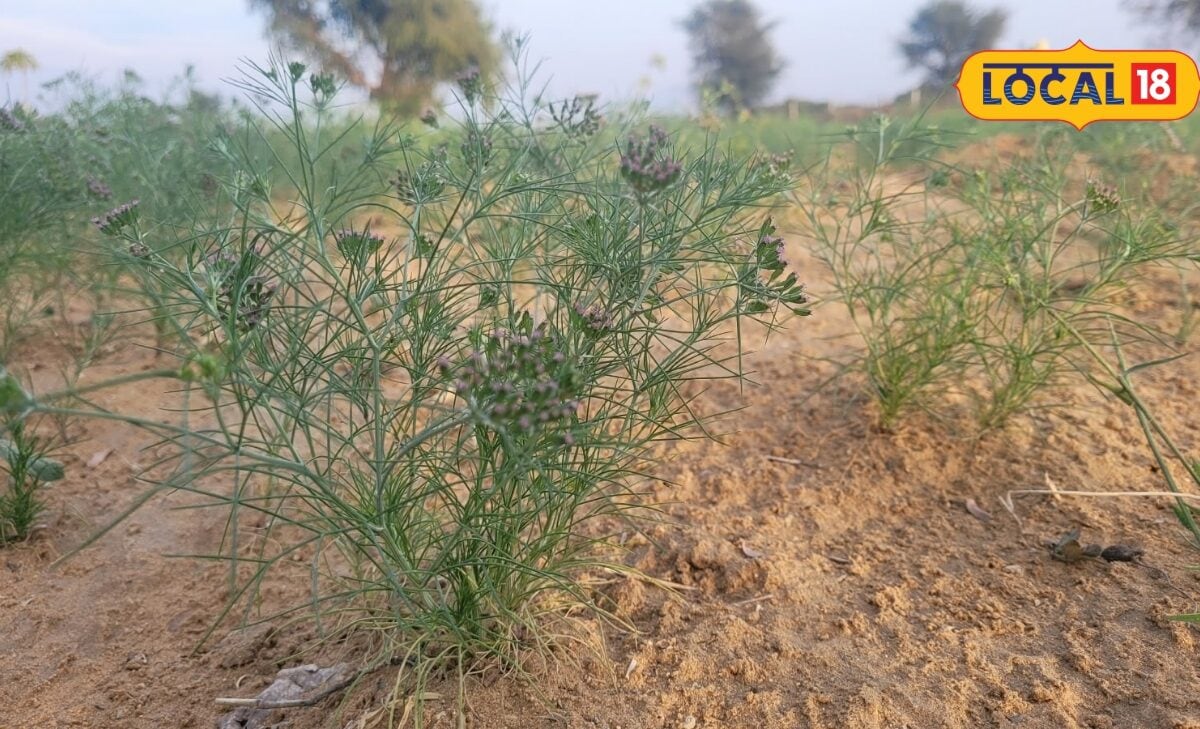
Farmers and agricultural producers in Jalore are currently focusing on vital post-harvest management techniques to secure their valuable cumin crops against environmental hazards. As the harvesting season progresses, the primary challenge shifts from field cultivation to meticulous preservation, ensuring that the agricultural yield retains its commercial value and market appeal over extended periods of storage.
Historically, cumin cultivation requires precise climatic conditions, and the post-harvest phase is equally demanding. In regions like Jalore, where cumin production forms a significant part of the agrarian economy, improper handling immediately after harvest has traditionally led to substantial economic vulnerabilities for cultivators due to quality degradation.
The current agricultural advisory emphasizes that thoroughly drying the cumin crop immediately after harvest is non-negotiable. Excess moisture remaining within the seeds serves as a primary catalyst for fungal infestations and causes the characteristic natural color of the cumin to deteriorate, directly impacting its grading and pricing in competitive wholesale markets.
Agricultural stakeholders, local traders, and experienced farmers stress that logistical precautions must be strictly observed inside storage facilities. Cumin must be packed exclusively in clean, dry bags and positioned carefully on elevated platforms well above the ground level to prevent ground dampness from seeping into the produce.
While regional economic impacts are profound, the broader community in Jalore relies heavily on cooperative agricultural practices to safeguard household incomes derived from spice farming. Ensuring that storage units remain free from ambient humidity is a collective priority for farming cooperatives across the district.
Administrative agricultural departments and local extension services continue to monitor storage conditions, providing technical guidance and overseeing compliance with standard preservation measures. Officials urge all local cultivators to inspect their storage environments rigorously before introducing new stocks.
Looking forward, adhering strictly to these foundational storage guidelines—including verifying that bags and containers are completely free from prior dust, moisture, or hidden pests—will dictate the long-term economic viability of cumin farming in Jalore, promising sustainable returns for the upcoming marketing cycles.