
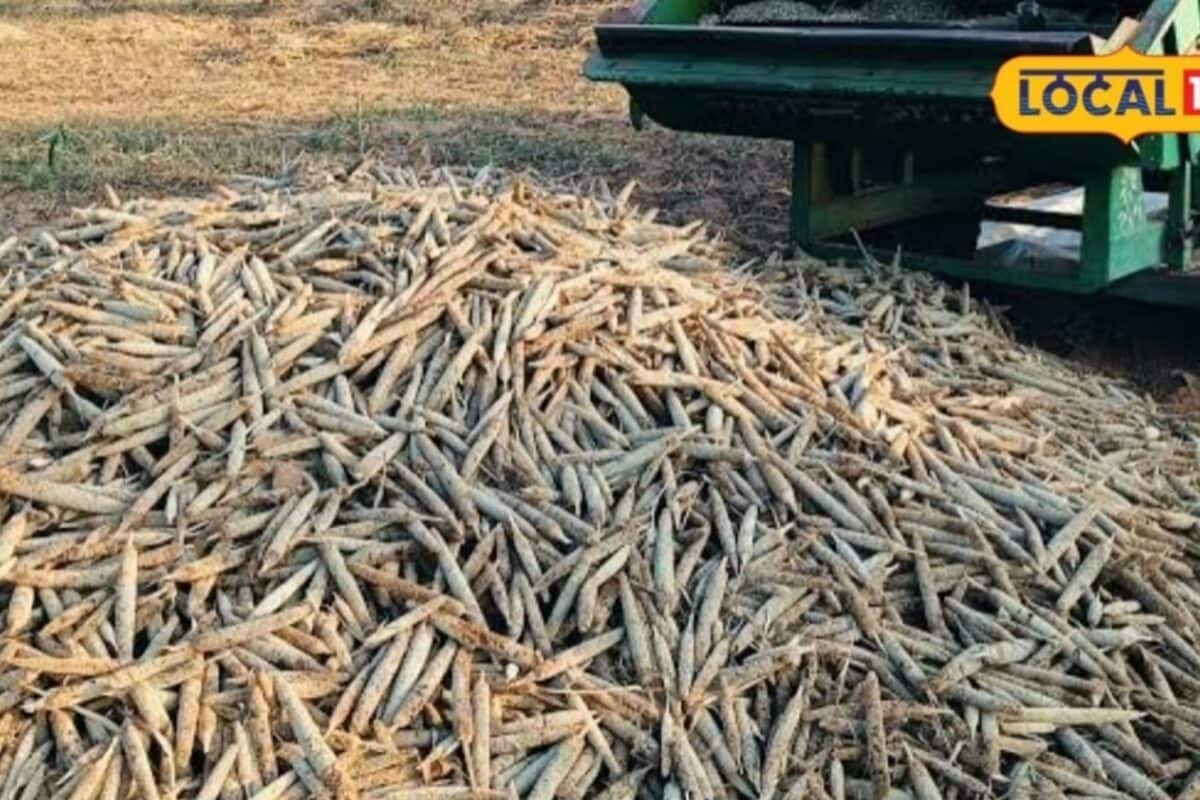
As the active harvesting season for pearl millet reaches its peak across Rajasthan, agricultural authorities and veteran farming advisors have released a comprehensive advisory focusing on post-harvest management. The primary objective of this statewide campaign is to educate cultivators on minimizing crop loss and ensuring that harvested grains retain their optimal quality, nutritional value, and commercial worth in local and regional marketplaces.
Historically, the transition period between harvesting and final storage has been critical for the agrarian economy of the region. Pearl millet, widely known locally as bajra, serves as a staple dietary grain and a vital source of fodder for livestock. However, traditional harvesting methodologies often expose the vulnerable crop to environmental hazards, unpredictable weather shifts, and biological degradation if proper scientific protocols are neglected during handling.
According to the detailed operational guidelines issued by agricultural extension services, farmers must exercise extreme vigilance during the physical reaping phase. It is strongly advised that harvesting should only commence after the panicles have achieved full physiological maturity and the grains display an adequate degree of natural dryness. Premature harvesting invariably leads to shriveled grains, reduced test weights, and severe vulnerability to subsequent storage complications.
Agricultural specialists and community farming leaders emphasize that meteorological forecasts must be closely monitored prior to initiating field operations. Cultivators are sternly advised to avoid harvesting activities if there is any immediate probability of rainfall. Furthermore, freshly cut crops should never be left exposed in open fields for extended durations, as unexpected precipitation or high nocturnal humidity can drastically accelerate fungal proliferation and grain discoloration.
Examining the regional impact on agricultural communities, the stakes for local producers are exceptionally high. Proper threshing must be followed meticulously by comprehensive cleaning processes to eliminate extraneous organic matter, chaff, and weed seeds. Grains must then be subjected to thorough sun-drying to lower moisture levels below the critical threshold required for safe, long-term preservation before they are transferred to permanent storage facilities.
Administrative oversight and institutional support mechanisms continue to play a pivotal role in disseminating these life-saving agricultural practices. Local agricultural offices are actively conducting awareness campaigns to instruct farmers on optimal storage hygiene. Experts recommend that processed pearl millet must be housed strictly within clean, dry, and adequately ventilated enclosures to prevent condensation and subsequent pest infestations.
Looking toward the forward outlook of the current agricultural cycle, adherence to these recommended storage protocols will determine the economic prosperity of the farming community. Farmers are specifically advised to elevate storage sacks off bare floors by utilizing wooden pallets or elevated platforms, thereby neutralizing ground dampness. Routine inspections for moisture accumulation, fungal patches, and insect activity will guarantee that the harvested yield remains pristine until it reaches consumers or commercial buyers.