
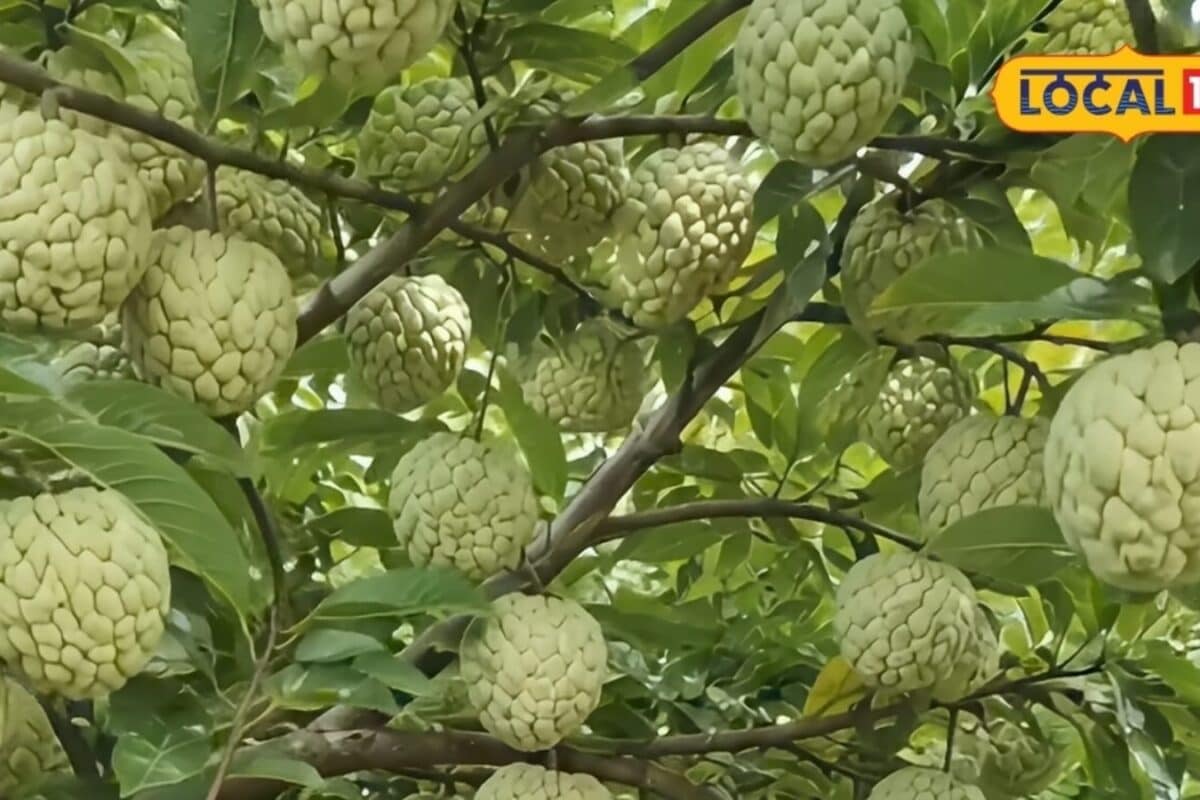
Cultivating custard apple plants in home gardens or rooftop pots has become an increasingly popular agricultural endeavor among urban and semi-urban residents seeking to harvest fresh produce within limited spaces. However, achieving a bountiful harvest of sweet custard apples extends far beyond merely planting a seed or a sapling in a container. Home gardeners frequently encounter a frustrating agricultural paradox where the plant flourishes in appearance, produces abundant blossoms, yet ultimately fails to set any fruit, leaving cultivators bewildered regarding the underlying causes of this phenomenon.
Historically, indigenous fruit cultivation in domestic settings relied heavily on traditional knowledge and seasonal observation, yet modern domestic horticulture demands a more precise understanding of plant physiology and environmental requirements. The custard apple, scientifically recognized for its specific climatic and soil needs, requires a delicate balance of sunlight, moisture, and nutritional inputs to transition successfully from the vegetative growth phase to the reproductive fruiting stage. Understanding these fundamental biological processes forms the cornerstone of successful urban agriculture and domestic fruit tree management.
Examining the ground reality of home-based container gardening reveals that water management remains the single most critical factor determining the survival and productivity of the custard apple plant. While adequate hydration is necessary, overzealous irrigation invariably leads to waterlogging within pots, severely damaging the delicate root system and precipitating root rot. Concurrently, cultivators must ensure that the container possesses an efficient and unobstructed drainage system, allowing excess moisture to escape freely after rainfall or watering routines.
Horticultural experts and experienced nursery operators consistently advise that providing adequate direct sunlight is non-negotiable for the optimal physiological development of the custard apple plant. Without sufficient solar exposure, the photosynthetic capacity of the foliage diminishes, directly impacting the plant's energy reserves required for flower and fruit development. Furthermore, incorporating timely applications of organic fertilizers into the soil enriches the nutritional profile, fostering a robust root structure and encouraging vigorous overall plant growth throughout the active growing season.
The broader implications of successful home gardening initiatives extend to promoting sustainable urban living practices and enhancing domestic food security within regional communities. When residents successfully cultivate nutrient-rich fruits like custard apples in their residential spaces, it fosters a deeper connection with ecological sustainability and encourages local biodiversity. Educational outreach regarding proper plant care techniques thus serves a vital role in empowering community members to maximize their agricultural outputs, even within constrained spatial environments.
Agricultural extension officers and municipal horticulture departments frequently oversee initiatives to educate citizens on advanced plant care methodologies, including the strategic pruning of dry and weak branches. Pruning not only improves the structural integrity of the custard apple plant but also directs vital nutrients toward healthy, fruit-bearing branches. Moreover, during the critical flowering phase, supplementing the soil with specific nutrients such as phosphorus and pottasium significantly enhances flower retention and subsequent fruit formation.
Looking ahead toward the future of domestic fruit cultivation, addressing the common pollination challenges inherent to custard apples remains paramount for achieving optimal yields. Because the male and female reproductive organs of the custard apple flower mature at different times, natural pollination is frequently inefficient in isolated domestic settings. Consequently, employing manual pollination techniques effectively bridges this biological gap, overcoming the persistent problem of low fruit set and ensuring that home gardeners reap the full rewards of their dedicated horticultural labor.