
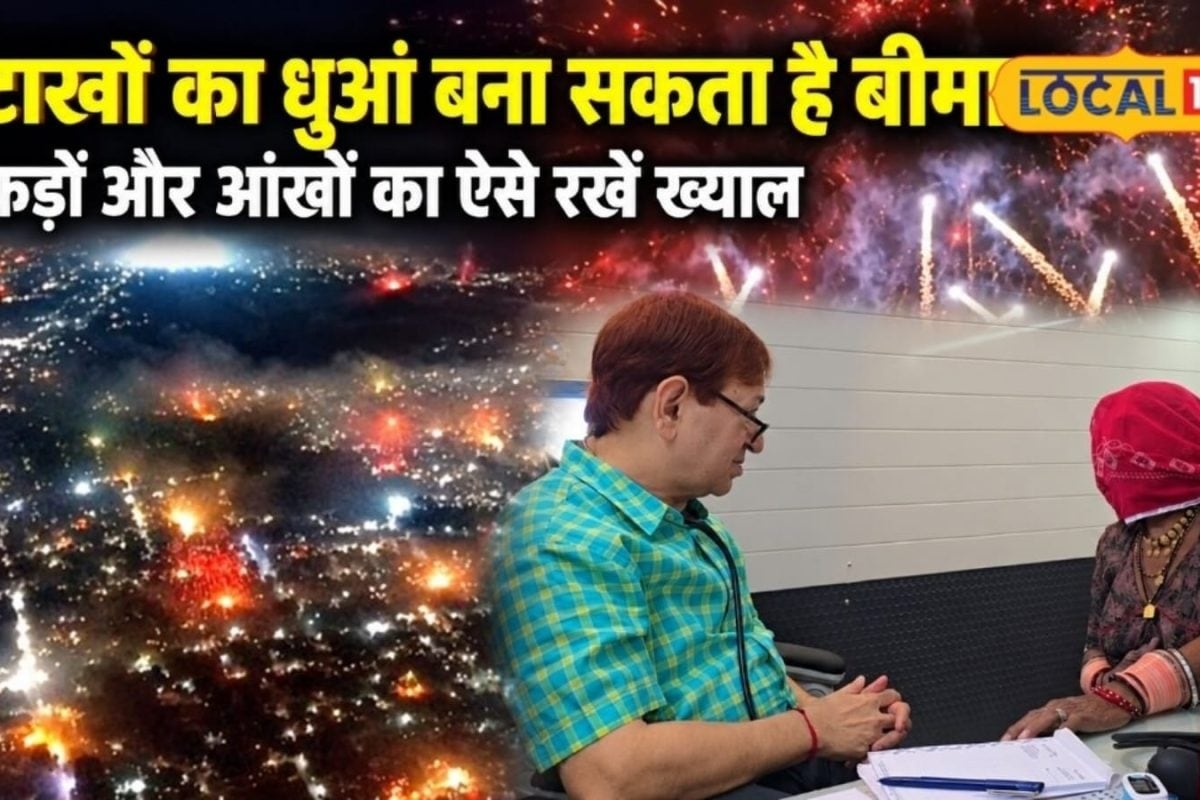
The festival of lights, Diwali, brings immense joy, illumination, and cultural celebration across the region, yet the accompanying spectacle of fireworks frequently introduces severe environmental challenges. Amidst the vibrant displays of light and sound, the dense smoke produced by bursting crackers severely deteriorates ambient air quality. This sudden surge in atmospheric pollutants creates an immediate health hazard, particularly affecting individuals with pre-existing respiratory conditions and chronic sensitivities.
Examining the broader seasonal context, the months of October and November inherently bring about distinct meteorological shifts and environmental transitions. According to medical insights, this specific window of the year coincides with the presence of natural pollen grains from various trees and vegetation lingering in the atmosphere. When combined with the heavy particulate matter and toxic chemical residues generated by extensive firecracker usage, the baseline air quality degrades significantly, compounding the physiological stress on vulnerable populations.
On the ground, the physical reality of celebratory combustion translates directly into heightened medical emergencies and discomfort for a vast segment of the community. Microscopic pollutant particles penetrate deep into the respiratory tracts of exposed individuals, instantly triggering localized inflammation and acute distress. Common physical manifestations reported during this period include persistent coughing, severe difficulties in breathing, painful irritation in the eyes, and severe discomfort in the throat, which collectively overwhelm outpatient clinics and local healthcare facilities.
Addressing these recurring seasonal health threats, medical authorities and clinical practitioners have stepped forward to issue rigorous public health advisories. Prominent medical expert Dr. Dinesh Kothari has detailed the compounding risks associated with seasonal pollen combined with artificial chemical smoke, emphasizing that sensitive demographics must exercise extreme caution. Healthcare professionals unanimously stress that ignoring these medical precautions can result in life-threatening complications for chronic patients, necessitating proactive protective measures within every household.
At the regional level within the Kotputli-Behror district and surrounding communities, the dense accumulation of celebratory smoke impacts the local populace extensively, blurring the lines between festive cheer and public health safety. Local families, neighborhood associations, and community leaders face the dual responsibility of preserving cultural traditions while safeguarding the health of vulnerable members, including young children and elderly residents who lack robust immune defenses against heavy chemical exposure.
In response to these pervasive health challenges, local administrative bodies and health departments have initiated public awareness campaigns to guide citizens on minimizing pollution exposure. Authorities are urging the public to restrict firecracker activities, maintain pristine indoor air circulation by keeping windows appropriately managed, and ensure uninterrupted adherence to prescribed pharmaceutical treatments for asthma and chronic allergies throughout the festive period.
Looking toward the forward outlook of public health management during high-pollution festivals, medical experts anticipate a sustained emphasis on green celebrations and stringent individual preventive care. By fostering community-wide awareness regarding the dangers of toxic smoke and seasonal pollen, healthcare providers hope to mitigate emergency room admissions and secure a safer, healthier celebration for all residents in the coming days.
