
A sweeping technological transformation has officially commenced within the government medical institutions of Pali district, marking a modern milestone in public health communication. Under the direct initiatives and directives of the state government, state-run healthcare facilities are undergoing a major structural upgrade aimed at redefining how patients receive critical medical information. By integrating advanced display technology into daily hospital environments, the administration seeks to bridge the information gap that frequently plagues public healthcare seekers during their routine visits.
Historically, patients visiting overburdened government hospitals spent considerable amounts of time waiting in congested corridors and outpatient registration areas with very limited access to informative content. Traditional modes of creating awareness relied heavily on static paper posters, pamphlets, and verbal announcements, which often failed to capture sustained public attention or deliver comprehensive details regarding complex healthcare entitlements. Recognizing this persistent administrative bottleneck, health planners conceived a dynamic, digitized approach to disseminate public welfare messages directly to the masses where they gather in highest numbers.
Under this newly executed administrative rollout, the state government has officially sanctioned and deployed a remarkable inventory comprising 323 LED televisions and 295 high-functionality tablets across multiple medical installations within Pali. These technological assets have been strategically placed in prominent waiting areas, outpatient departments, and reception zones to ensure maximum visibility for every visiting citizen. The total financial and logistical deployment reflects a concerted effort by the state government to modernize physical infrastructure and elevate the standard of patient-centric communication in regional healthcare centers.
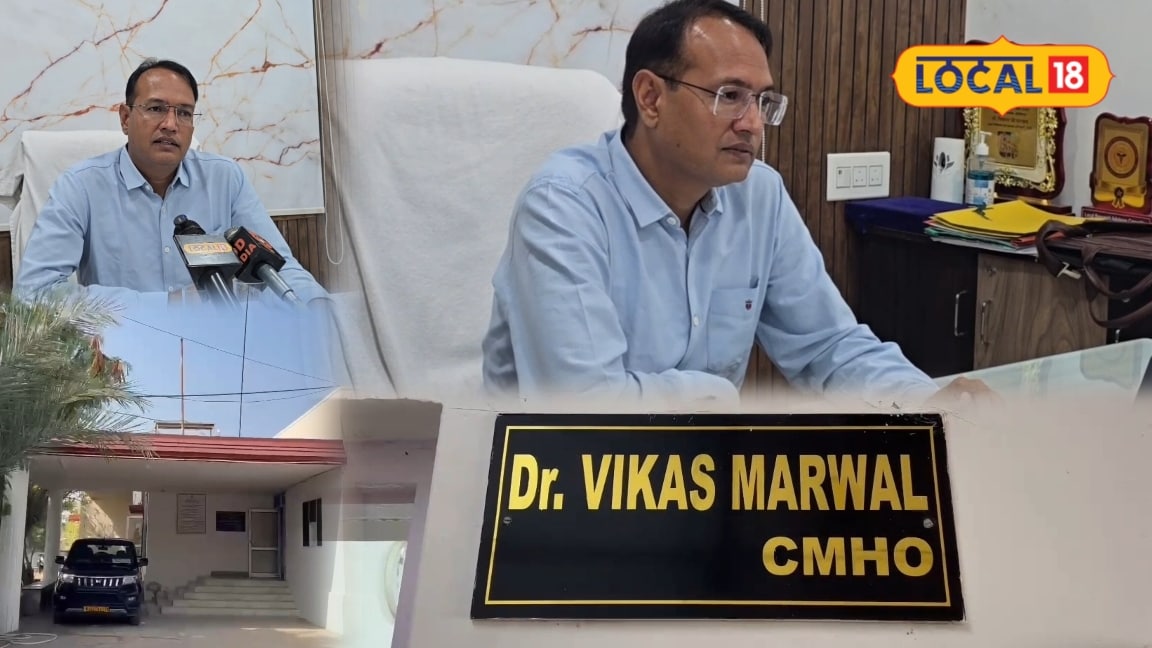
Medical professionals, local community leaders, and healthcare administrators have expressed widespread optimism regarding the implementation of this digital awareness initiative. According to senior medical officers overseeing the project, the installation of these screens will fundamentally alter the patient experience by turning passive waiting time into an informative educational opportunity. Patients and their accompanying family members who previously remained unaware of newly launched state benefits can now absorb essential guidance effortlessly while awaiting their turn to consult physicians or undergo diagnostic procedures.
While the primary implementation is concentrated within Pali district, the overarching philosophy of leveraging digital media for public health education carries profound implications for surrounding administrative zones, including Kotputli-Behror. Regional policymakers and municipal observers note that successful digitalization models pioneered in districts like Pali often serve as benchmarks for statewide administrative replication. As local economies and communities in Rajasthan increasingly embrace digital governance, similar technological interventions are anticipated to influence healthcare communication frameworks across multiple administrative districts in the near future.
To ensure the sustained success and security of these technological installations, the state government and hospital authorities have instituted rigorous monitoring and maintenance protocols. Technical teams have been designated to oversee the continuous operation of the 323 LED televisions and 295 tablets, ensuring that informational broadcasts remain uninterrupted, updated, and aligned with current public health priorities. Administrative oversight committees regularly review the content being displayed to guarantee that accurate, timely, and digestible details regarding medical entitlements reach the intended beneficiaries without technical hitfalls.
Looking toward the forward outlook of this initiative, health department officials anticipate a measurable improvement in healthcare utilization rates across Pali district. By continuously broadcasting details concerning free medicine schemes, diagnostic facilities, and seasonal disease prevention, the administration expects a more informed populace that actively utilizes available state support. As these digital screens continue to illuminate hospital walls with constructive health messages, the project stands as a testament to modern administrative progress within the regional public health sector.
