In an effort to preempt seasonal agricultural power shortages and guarantee reliable irrigation schedules, the Dhaulpur Electricity Department has stepped up its administrative readiness ahead of the upcoming Rabi season. Farming communities across the region traditionally experience severe spikes in electricity consumption during this critical sowing and crop maintenance period. To address these longstanding operational challenges before they disrupt agrarian livelihoods, systemic infrastructural reviews have been launched across multiple subdivisions under the direct guidance of senior divisional leadership.
Historically, the onset of the Rabi agricultural season places an unprecedented burden on local distribution transformers, rural feeders, and transmission lines. Power distribution bottlenecks, delayed maintenance cycles, and recurring technical faults often lead to erratic water pumping schedules, leaving fields under-irrigated and dampening overall crop yields. Recognizing these historical vulnerabilities, the regional administration has prioritized preventive engineering interventions to stabilize the rural power grid well before peak agricultural demand surges across the district.
A critical pillar of this proactive administrative strategy involves rigorous ground-level logistical preparations, specifically targeting the upkeep and replacement of aging rural distribution infrastructure. During a high-level review session, Superintending Engineer Vivek Sharma addressed district officials through a comprehensive video conferencing platform to evaluate operational readiness. Particular emphasis was laid on executing timely transformer maintenance, expediting the clearance of pending electricity connections, and systematically addressing public grievances.
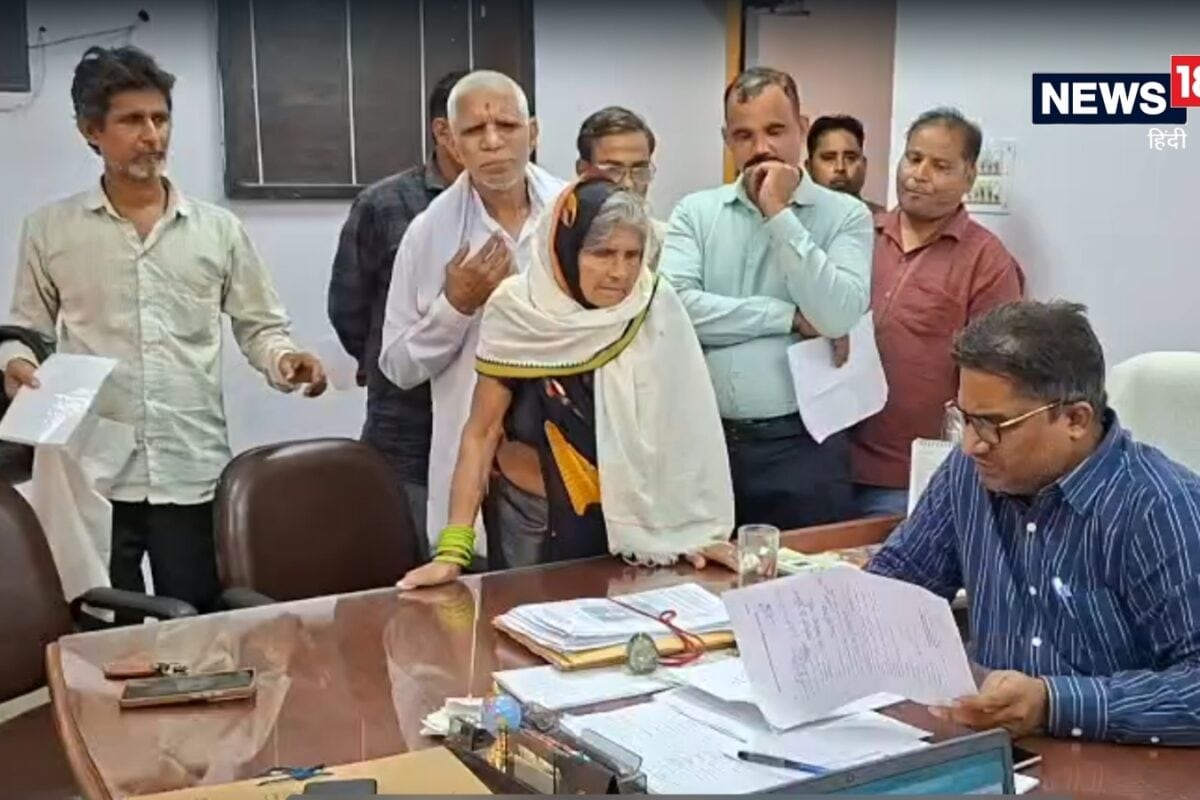
As part of this accountability-driven approach, administrative focus was heavily directed toward the prompt and thorough resolution of pending public grievances, with officials addressing a backlog of 181 complaints. Timely redressal of consumer and agricultural complaints is viewed by departmental leadership as essential for maintaining public trust and ensuring that localized technical failures do not escalate into widespread supply disruptions. Field engineers have been instructed to maintain strict vigilance over feeder lines and respond swiftly to any reported voltage drops or localized outages.
Furthermore, the strategic deployment of supplementary electrical assets forms a cornerstone of the current preparatory phase. Superintending Engineer Vivek Sharma specifically directed engineering teams to identify high-load pockets and allocate additional electrical capacity to those specific zones. By reinforcing these vulnerable sectors with augmented power capacities, the department aims to insulate the broader distribution network against catastrophic overloads during peak operational hours.
Administrative oversight and statutory compliance are also being strictly enforced to ensure that field-level functionaries adhere to departmental performance benchmarks. Officials failing to meet infrastructural maintenance targets or neglecting scheduled grid upkeep are facing heightened scrutiny. The administration's stated objective is to eliminate bureaucratic delays and ensure that every designated feeder delivers electricity strictly in accordance with established agricultural supply schedules.
Looking toward the weeks ahead, the Dhaulpur Electricity Department remains fully mobilized to monitor grid performance continuously as the Rabi season progresses. By combining aggressive technical maintenance, proactive grievance redressal, and targeted capacity enhancements, the department seeks to establish a resilient power distribution framework. Ultimately, these concerted administrative actions are designed to secure agricultural productivity, safeguard local farming incomes, and ensure equitable water and power distribution across all rural sectors.