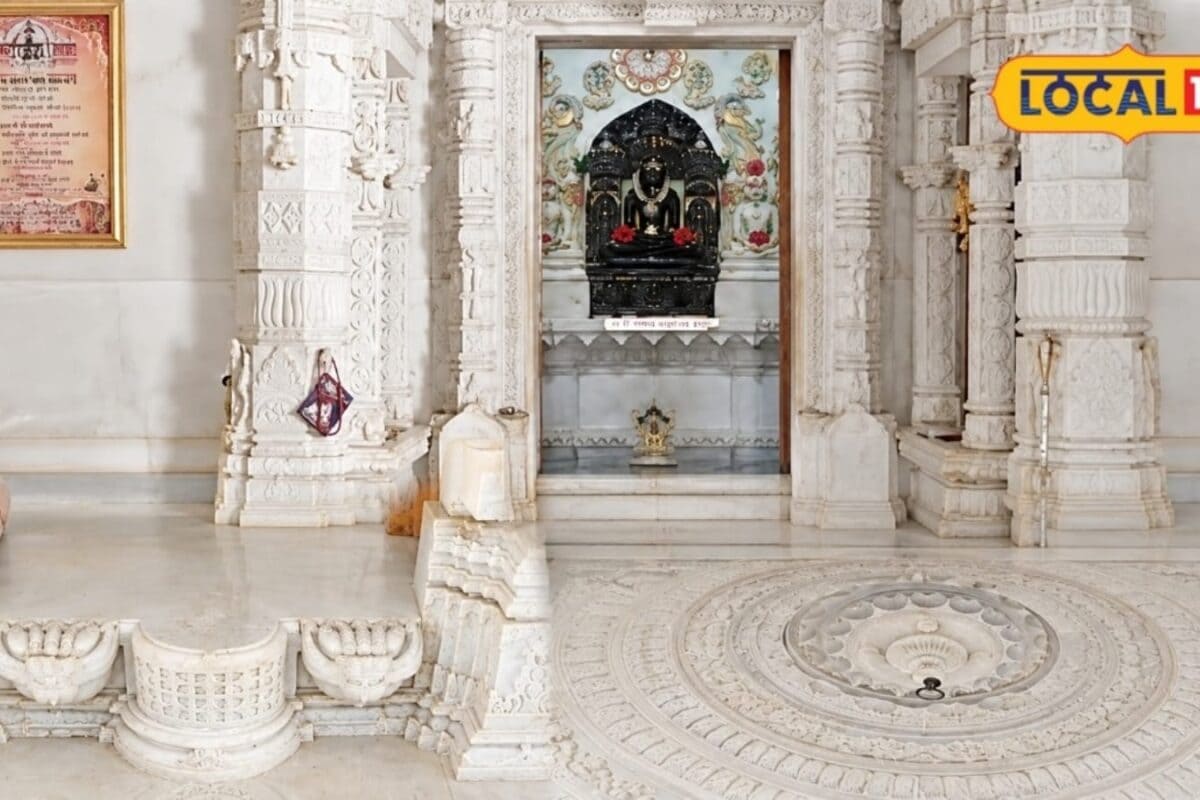
Udaipur, widely celebrated across the globe for its majestic palaces, breathtaking lakes, and rich royal heritage, also holds profound historical and religious significance within its ancient architectural boundaries. Beyond the famous tourist attractions, the city preserves deep-rooted spiritual treasures that date back millennia, showcasing the region's enduring cultural legacy. Among these monumental landmarks is a remarkable religious site located in the Savina Khera area of the city, which continues to command immense reverence from communities far and wide.
At the heart of this enduring spiritual heritage stands the ancient Shvetambar Jain temple dedicated to Shri Parshvanath Bhagwan, famously known as the Sri Parshvanath Bhagwan Prachin Shvetambar Jain Mandir. Historical narratives and local traditions place the origins of this sacred sanctuary deep in antiquity, with heritage custodians estimating its age to be an astonishing two and a half millennia. This immense chronological depth places the establishment of the holy site long before the formal foundation and development of the modern city of Udaipur.
According to heritage observations and local records, the temple complex stands as a silent witness to the passage of centuries, surviving sweeping political and social transformations in the Mewar region. The sacred shrine houses the revered idol of Lord Parshvanath, drawing continuous streams of devout followers who seek spiritual solace and divine grace within its hallowed halls. The architectural continuity of the temple reflects the profound craftsmanship and religious devotion of ancient builders who dedicated their lives to preserving sacred Jain heritage.
Sharing insights into the profound religious importance of the sanctuary, Ravindra Jain notes that the temple predates the very establishment of the city of Udaipur itself. This remarkable historical timeline underscores the sacred character of Savina Khera as an ancient settlement area that harbored profound spiritual activities long before urbanization transformed the surrounding landscape. The continuity of worship at this ancient shrine highlights the unbroken chain of faith maintained by generations of devotees.
For the local community and visitors alike, a pilgrimage to the Savina Khera temple is an experience of deep spiritual introspection and devotion. Pilgrims travel from various districts and neighboring regions to catch a glimpse of Lord Parshvanath and immerse themselves in meditative practices. The atmosphere within the temple complex remains charged with spiritual energy, providing a serene sanctuary away from the hustle and bustle of contemporary urban life in the lake city.
A central spiritual practice observed by devotees visiting the temple involves the chanting and meditation upon the sacred Navkar Mantra. Visitors frequently assemble within the prayer halls to recite the powerful mantra while offering their personal prayers and heartfelt wishes at the feet of Lord Parshvanath. Local belief and enduring tradition strongly hold that sincere devotion, coupled with the focused recitation of the Navkar Mantra within these ancient walls, brings fulfillment to the heartfelt desires of pure-hearted seekers.
As Udaipur continues to balance its rapid urban expansion with the preservation of its historical identity, the conservation of ancient religious landmarks like the Savina Khera Jain temple remains vital. Community leaders, historians, and devotees continuously emphasize the necessity of protecting such irreplaceable heritage structures for future generations. Through collective dedication and unwavering faith, the 2500-year-old sanctuary of Lord Parshvanath endures as an eternal symbol of spiritual resilience and cultural pride in Rajasthan.