
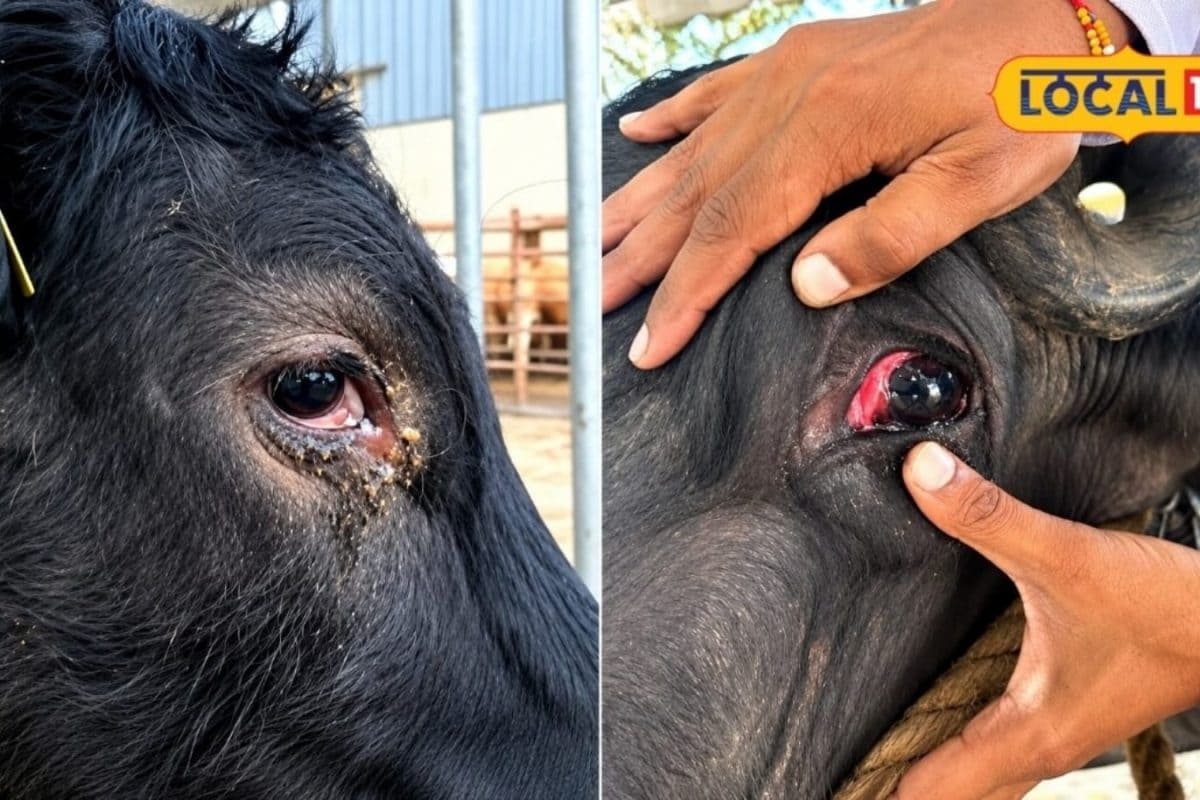
In an urgent development concerning animal husbandry, veterinary authorities have issued a comprehensive advisory warning dairy farmers against ignoring seemingly minor eye ailments in cows and buffaloes. Conditions such as swelling, redness, and continuous tearing in bovine eyes are frequently dismissed as trivial, yet failing to address these symptoms promptly can lead to severe complications. Such manifestations frequently indicate chemosis, a medical condition characterized by the accumulation of fluid within the conjunctival membrane of the eye, which can drastically deteriorate the animal's ocular health if left unmanaged.
Historically, eye ailments in farm animals have been underestimated within rural livestock management practices, often leading to prolonged suffering and lowered productivity. The origin of these conditions typically stems from a combination of environmental factors, infectious agents, and physical trauma encountered during routine grazing and housing. Understanding the underlying etiology has therefore become a central priority for veterinary researchers and regional dairy extension officers operating within the rural landscape.
According to expert veterinary insights shared by specialist Vishal Prajapati, a total of 5 primary warning signs and root causes require immediate attention from livestock owners. These include infectious challenges such as viral infections like Infectious Bovine Rhinotracheitis (IBR), bacterial pathogens, environmental hazards like dust and chemical pesticide residues, physical trauma from thorns, and infestations by the Thelazia parasite. When these factors converge, the affected animal invariably attempts to avoid bright light and may discharge a yellowish fluid from the ocular cavities.
The financial and logistical stakes for local farming households are exceptionally high, as dairy production remains a cornerstone of the rural economy. Stakeholders including farmers, traders, and local cooperatives rely heavily on the health and vitality of their livestock. Veterinary experts emphasize that treatment protocols must strictly depend upon the actual root cause of the affliction. Consequently, unauthorized self-medication by farmers poses a grave danger, particularly because applying steroid-containing eye drops when corneal ulcers are present can cause permanent physical and functional damage to the animal's eye.
Examining the regional impact on the Kotputli-Behror district reveals a profound community reliance on animal husbandry for sustainable livelihoods. When livestock health is compromised by contagious or parasitic outbreaks, milk yields drop significantly, placing immense financial strain on marginal farmers. The community's deep-rooted dependence on dairy farming means that any widespread veterinary health crisis directly reverberates through local markets, household incomes, and nutritional standards.
Responding to these escalating concerns, veterinary departments and local administrative bodies are intensifying outreach programs to educate farmers on proper livestock healthcare management. Official guidelines mandate strict veterinary consultation before administering any pharmaceutical treatments, ensuring that interventions such as eye cleansing, targeted antibiotic therapies, and anti-parasitic treatments are administered correctly. Statutory oversight focuses heavily on preventing the misuse of potent medications, safeguarding the livestock population from preventable blindness and chronic suffering.
Looking toward the future, public health authorities and veterinary experts plan to conduct widespread awareness campaigns and vaccination drives to fortify the region's dairy sector against recurring infections. The timeline for these upcoming veterinary procedures involves immediate diagnostic camps across rural clusters to screen vulnerable cattle and buffalo populations. By fostering a proactive approach toward animal eye care, the agricultural community expects to secure higher productivity, better animal welfare, and long-term economic stability for all stakeholders involved.
