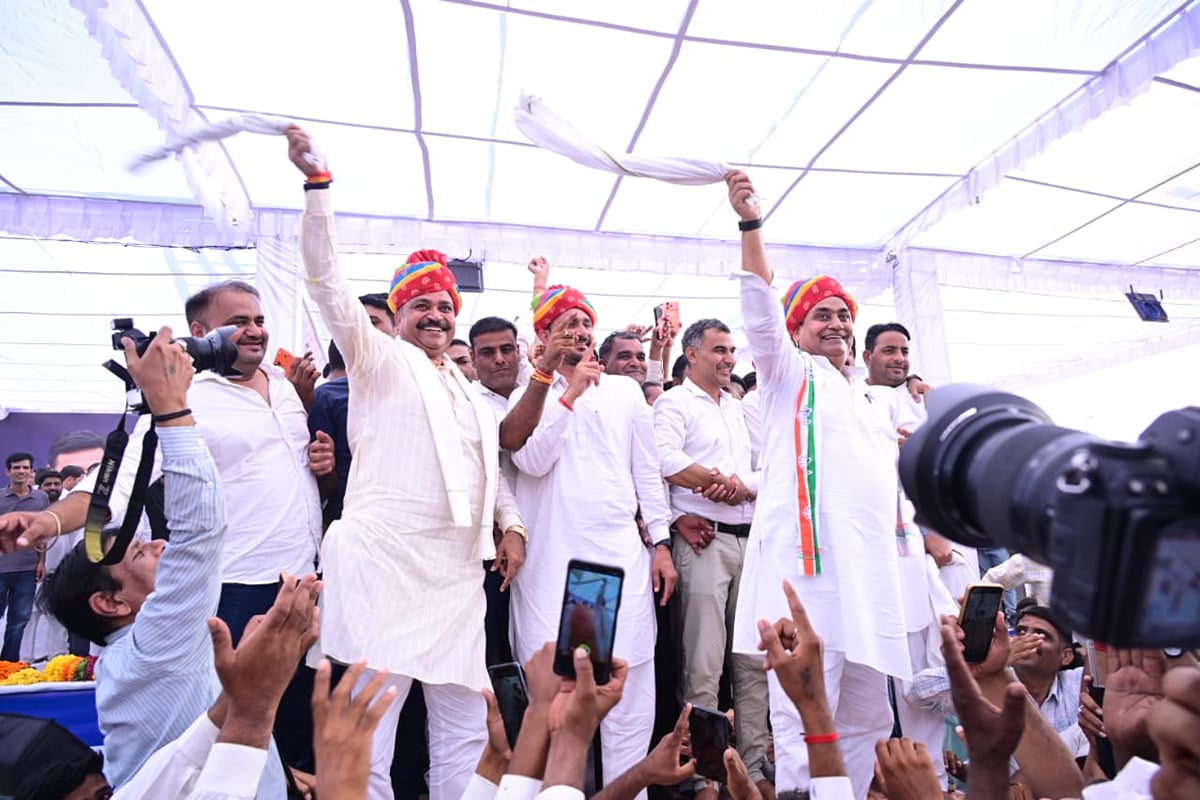
Following severe scrutiny and internal questioning regarding its strategic approach during the recent municipal elections in Rajasthan, the Congress party has initiated a comprehensive overhaul of its electoral machinery. The focus has now shifted entirely toward the upcoming rural local body elections, commonly referred to as the governance of villages, where the party aims to deploy a completely revised operational framework. This strategic pivot comes in the wake of mounting pressure from party cadres and local leaders who demanded a rigorous self-assessment of past campaign methods and outreach deficiencies.
Historically, local body elections serve as a critical barometer for grassroots political influence, reflecting the shifting loyalties of rural electorates and the organizational preparedness of major political parties. The challenges encountered by the Congress organization in the preceding municipal contests exposed notable gaps in coordination, messaging, and voter mobilization at the local level. Recognizing these structural vulnerabilities, senior party strategists have gone back to the drawing board to formulate a more cohesive and responsive approach tailored specifically to the unique socio-political dynamics of rural constituencies.
A critical component of this newly devised plan involves a meticulous reassessment of campaign execution, resource allocation, and local leadership engagement across various districts. While municipal contests operate within distinct urban or semi-urban environments characterized by diverse voter demographics, panchayat elections demand an entirely different level of localized connect, interpersonal mobilization, and direct communication regarding rural development issues. The leadership is actively addressing logistical bottlenecks and attempting to bridge the disconnect between central party directives and ground-level execution.
Throughout this transitional phase, various stakeholders, including local party workers, grassroots representatives, and regional functionaries, have voiced diverse perspectives regarding the necessity of structural reforms. Many grassroots organizers emphasized the importance of granting greater autonomy to local committees in selecting candidates and formulating region-specific agendas that resonate directly with rural communities. These insights have played a pivotal role in shaping the current strategic discussions within the party headquarters, ensuring that grassroots voices directly influence the overarching campaign blueprint.
The implications of this revised strategy extend significantly across various regions, including the newly formed administrative areas such as the Kotputli-Behror district, where local economic and community networks heavily depend on rural governance decisions. Panchayati Raj institutions manage critical developmental funds, infrastructure projects, and welfare distribution at the village level, making the outcome of these elections vitally important for the local populace. Consequently, any shift in political momentum within these rural pockets directly impacts community engagement, local leadership development, and the overall socio-political landscape of the district.
In response to the evolving political landscape, administrative machinery and statutory oversight bodies are concurrently gearing up to ensure free, fair, and transparent electoral processes across all participating rural tiers. While political parties refine their internal campaigning techniques, election authorities remain focused on maintaining compliance with model codes of conduct, managing logistical deployments, and facilitating voter participation without administrative hindrance. This institutional readiness complements the political maneuvering, establishing a structured environment for the electoral contest.
Looking ahead, the successful implementation of this new strategic blueprint will depend heavily on sustained coordination, disciplined execution, and the ability to resolve internal friction before the official election timelines commence. As the campaign schedule approaches, political observers and party members alike will closely monitor whether these structural adjustments translate into improved electoral outcomes at the village level. The forthcoming months will ultimately test the resilience, adaptability, and organizational capacity of the Congress party in rural Rajasthan.