
The political landscape in Jaipur has witnessed a significant development regarding the ongoing protests centered around the National Students Union of India. Congress leadership has indicated that the ongoing sit-in demonstration staged in the state capital is finally moving toward a definitive conclusion. This major breakthrough comes in the wake of intense deliberations and negotiations between party representatives and concerned authorities.
The controversy originated from a high-tension incident that transpired on 13 October in New Delhi. Ritu Barala, who serves as the National General Secretary of the National Students Union of India and hails from Jhunjhunu in Rajasthan, found herself at the center of a major political storm. According to reports, she faced severe allegations of being subjected to physical assault while in police detention during a demonstration directed against Chief Election Commissioner Gyanesh Kumar.
The fallout from the New Delhi incident quickly reverberated across Rajasthan, particularly affecting Jaipur where the political temperature soared. Local Congress leaders and student wings organized massive protests, demanding accountability and justice for the alleged mistreatment of Ritu Barala during her detention in the national capital. The demonstrations drew widespread attention from political analysts, civil rights groups, and the general public alike.
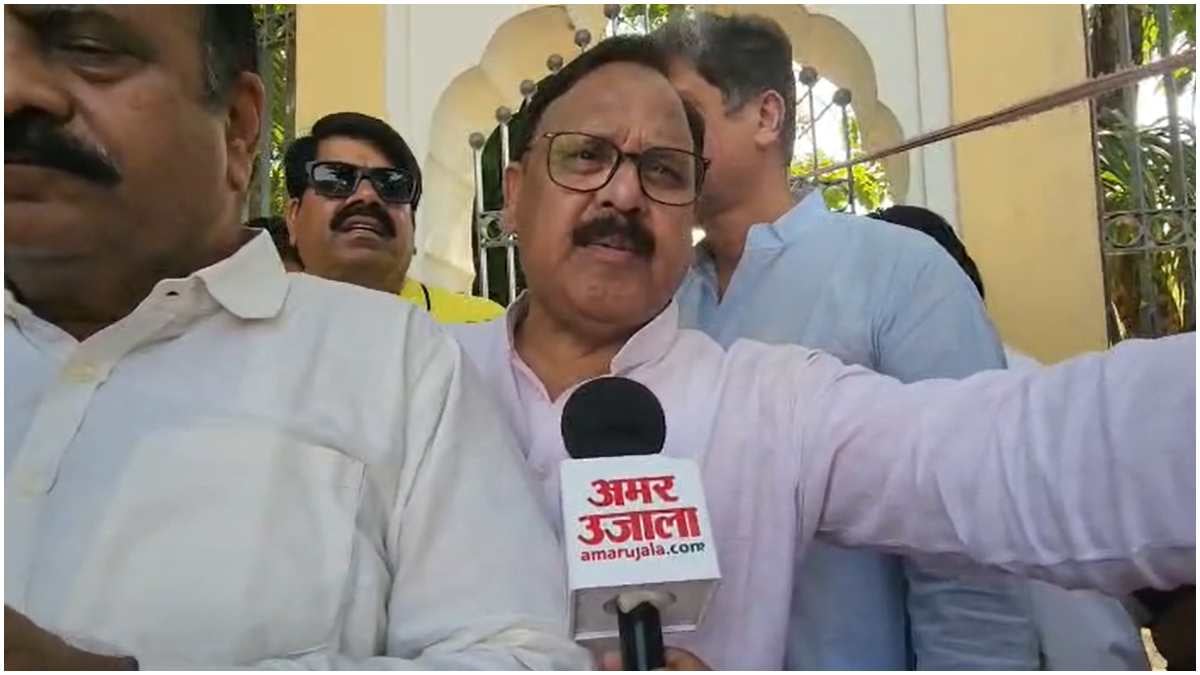
Addressing the media regarding the current status of the agitation, senior Congress leader Sunil Sharma stated that a mutual consensus has successfully been reached among all concerned parties. This breakthrough paves the way for the formal withdrawal of the sit-in protest that had paralyzed certain administrative communications in Jaipur. Stakeholders have expressed relief as the deadlock shows clear signs of easing through diplomatic engagement.
The implications of this political standoff and its subsequent resolution extend deeply into the regional dynamics of Rajasthan, including neighboring districts like Kotputli-Behror. Local communities, students, and political workers in these areas closely monitored the developments in Jaipur, given the statewide prominence of the National Students Union of India. The local economy and daily public movement, which occasionally faced disruptions due to political rallies, are expected to return completely to normalcy.
Administrative authorities in Jaipur and New Delhi have maintained strict vigilance throughout the duration of the crisis to maintain public order and security. While the demonstrations highlighted pressing questions regarding the handling of political protesters in detention, the administration has emphasized adherence to due legal processes. Statutory oversight and official measures remain in place to address any lingering grievances stemming from the 13 October events.
Looking forward, the formal conclusion of the Jaipur sit-in marks a temporary closure to a turbulent chapter in Rajasthan's student politics. Observers anticipate that political factions will now redirect their focus toward upcoming institutional agendas and organizational duties. Both the Congress leadership and administrative bodies expect that the established consensus will prevent any further escalation and restore harmonious public discourse across the region.
