
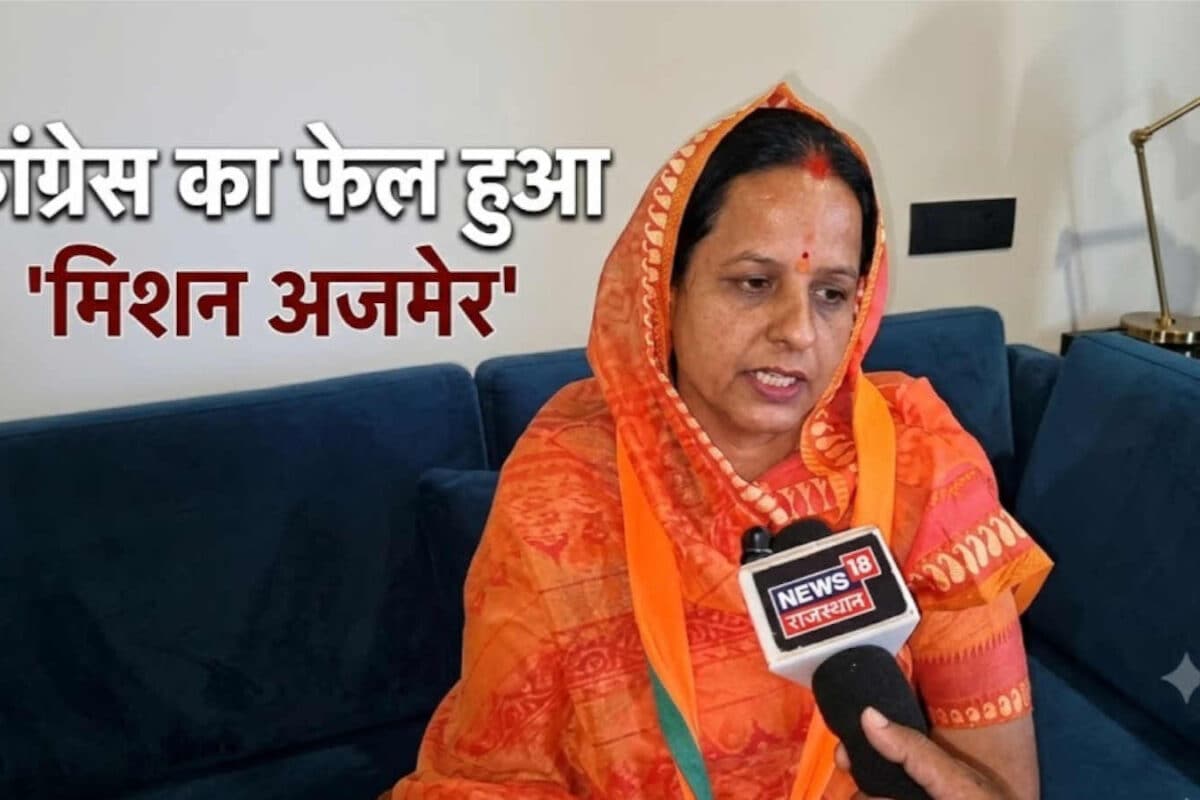
In the high-stakes political landscape of the 2026 municipal elections in Rajasthan, the Congress party faced a decisive setback in the Ajmer Municipal Corporation. Despite starting with a numerical advantage and implementing elaborate strategies to maintain unity among its elected representatives, the party failed to cross the finishing line. The ultimate outcome left Congress leaders empty-handed as the opposition successfully dismantled their internal fortifications.
The electoral battleground in Ajmer has historically been a fiercely contested arena between major political forces. Following setbacks in other urban bodies across Rajasthan, the Congress party viewed the Ajmer Municipal Corporation as a crucial prestige battle. Securing this municipal seat was paramount for the party leadership to project regional momentum and consolidate its local governance footprint in the state.
To safeguard its majority and prevent potential defections, the Congress leadership undertook extensive logistical exercises, commonly referred to as political encampments or baadabandi. Every possible measure was deployed to keep elected councilors and independent representatives isolated from external political influences, ensuring strict solidarity ahead of the crucial voting session within the Ajmer Municipal Corporation.
Political analysts and local observers noted that maintaining cohesion among disparate political aspirants proved to be an uphill task. Independent councilors and party members faced intense external persuasions, turning the municipal elections into a high-pressure psychological and strategic contest between rival camps. The stakes involved considerable administrative influence and local authority over urban development matters in Ajmer.
The regional repercussions of this political standoff extended well beyond the immediate municipal boundaries, drawing attention from party headquarters across Rajasthan, including districts such as Kotputli-Behror. Observers from neighboring regions monitored the developments closely, analyzing how local political realignments and floor-crossing could influence future municipal governance trends across the state.
Administrative machinery and election authorities maintained rigorous oversight throughout the voting process to ensure statutory compliance and maintain public order. Local law enforcement and district officials established secure perimeters around the counting and voting venues, preventing potential clashes between rival party supporters and ensuring an unhindered electoral procedure.
As the dust settles on the Ajmer Municipal Corporation elections, the focus shifts toward the formation of the municipal administration under the leadership of the Bharatiya Janata Party. The defeated Congress camp faces internal introspection regarding its organizational strategies, while the newly established civic board prepares to address urban governance challenges in Ajmer in the upcoming tenure.