
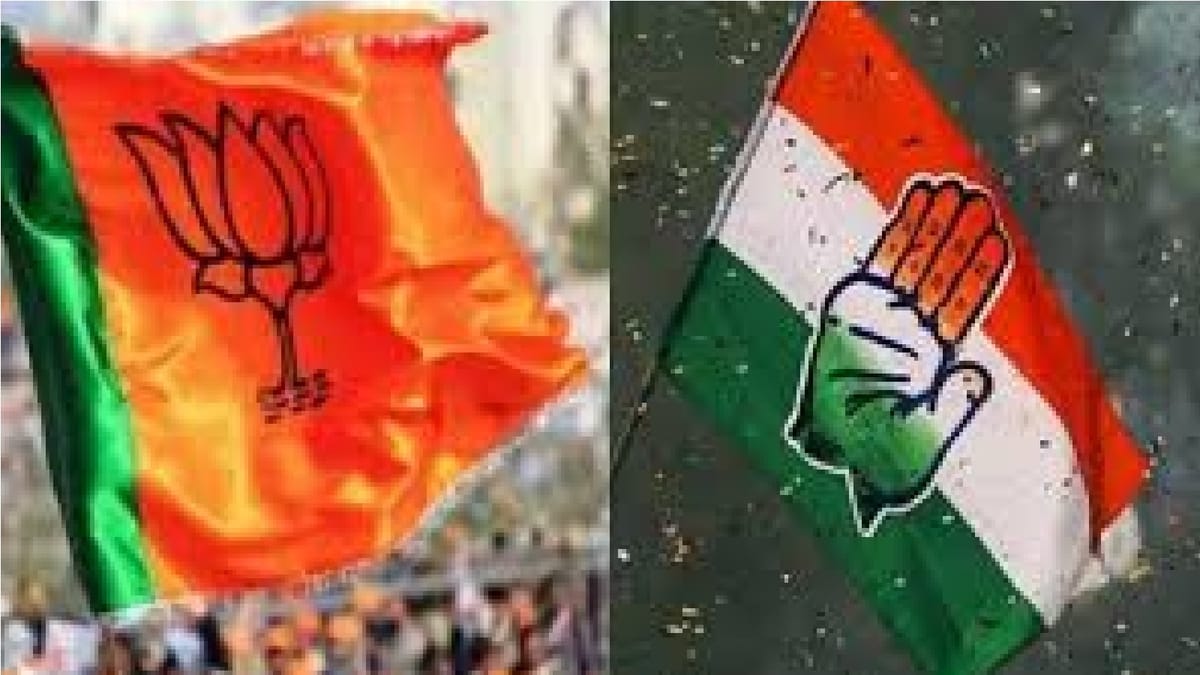
The political landscape of Rajasthan is currently witnessing intense internal friction within the Congress party as the allocation of tickets for the upcoming Panchayat elections triggers widespread discontent. The distribution process, meant to consolidate grassroots support, has instead become a flashpoint for internal dissent, exposing deep-seated divisions among party members and senior leadership alike regarding candidate selection criteria and fairness.
The controversy gained significant momentum when prominent party leader Sitaram Lamba openly voiced his strong objections against the preferential treatment allegedly given to certain influential factions. Specifically, objections have been raised regarding the controversial decision to allocate party tickets to the family members of sitting Members of Legislative Assembly as well as candidates who suffered defeats in previous electoral battles, raising questions about political nepotism and democratic representation.
While ticket distribution processes in major political organizations are historically complex, the explicit public opposition by figures like Sitaram Lamba highlights a growing demand for transparency and merit-based selection among dedicated grassroots workers. The core grievance centers on the argument that prioritizing relatives of established lawmakers or previous losers demoralizes active party cadres who have consistently toiled at the local level to sustain the organization's foundations.
Political analysts observing the developments note that such internal rifts during crucial local body elections can significantly impair the party's electoral prospects. Local party workers and dedicated members have expressed profound frustration over ticket allocation practices that seemingly bypass ground-level service in favor of familial lineage and political lineage, threatening organizational unity just as election campaigns gather momentum.
The repercussions of this ongoing dispute extend deeply into regional administrative units, including areas such as Kotputli-Behror, where local party units find themselves caught between regional factional loyalties and state-level directives. The uncertainty surrounding candidate finalization has begun to disrupt local campaign strategies, creating confusion among supporters and galvanizing political opponents who are closely monitoring the internal discord within the Congress ranks.
In response to the mounting pressure and public airing of grievances, administrative and organizational echelons within the party are under intense scrutiny to address the concerns raised by dissenting voices. Observers note that leadership intervention is urgently required to mediate between aggrieved members and those holding decision-making authority, ensuring that party discipline is maintained without alienating loyal grassroots workers ahead of the polling dates.
As the election schedule progresses, the resolution of these ticket distribution disputes will play a decisive role in shaping the electoral outcome for the Congress party in Rajasthan. The ability of the leadership to reconcile competing interests, pacify critics like Sitaram Lamba, and present a united front will determine whether the party can effectively counter its opponents and secure a favorable mandate in the vital Panchayat elections.
