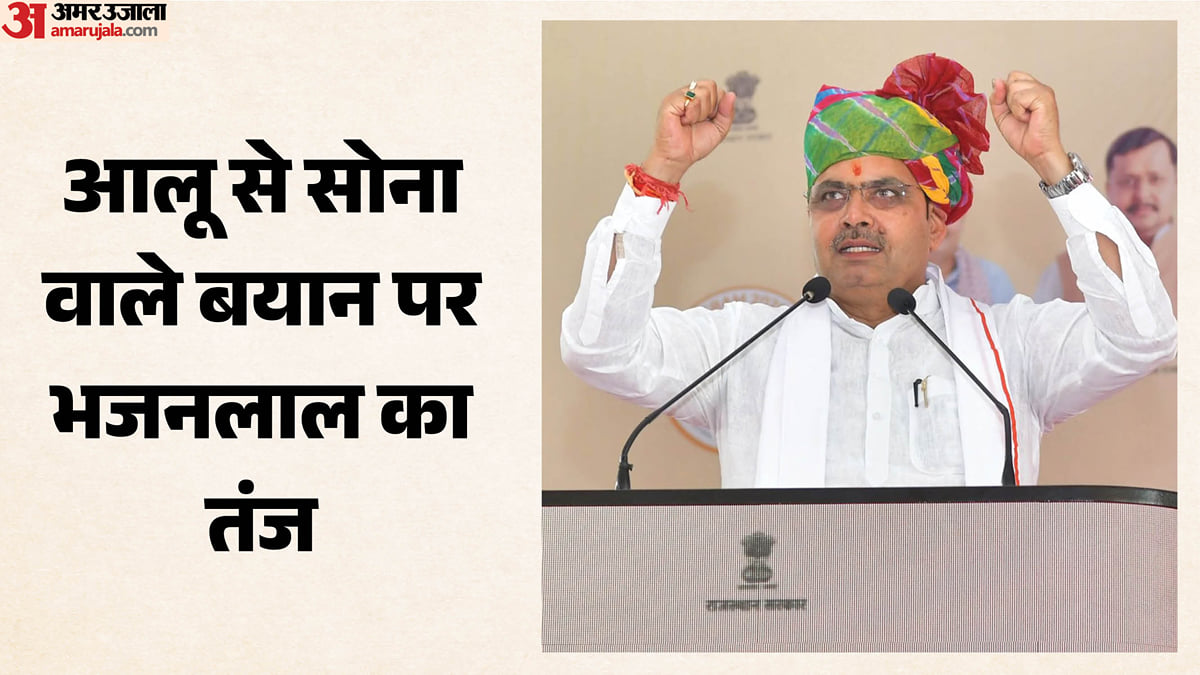
Rajasthan Chief Minister Bhajanlal Sharma has formally inaugurated a series of vital development projects spanning across the Sikar, Churu, and Jhunjhunu districts. The comprehensive administrative initiative aims to accelerate regional infrastructure, boost local prosperity, and address long-standing developmental needs in these desert and semi-arid areas. The strategic launch events drew significant attention from local residents, administrative officials, and regional political leaders who gathered to witness the commencement of these new undertakings.
The historical context of development in the Shekhawati region, encompassing Sikar, Churu, and Jhunjhunu, has long been intertwined with the availability of critical natural resources, particularly water for irrigation and drinking purposes. Successive generations have faced severe geographical challenges due to erratic rainfall and receding groundwater tables, which historically limited agricultural yields and economic diversification. The newly initiated development projects represent a concerted effort by the state administration to overcome these historical bottlenecks and provide modern infrastructural frameworks.
While specific financial outlays and logistical blueprints vary across individual projects, the overarching framework focuses heavily on resource management, connectivity, and public utility enhancements. The administrative stakes are notably high, as the successful execution of these projects directly influences the daily lives, livelihoods, and economic stability of thousands of rural households residing in the districts of Sikar, Churu, and Jhunjhunu. Local authorities have been directed to maintain strict timelines and transparent execution standards to ensure optimal utilization of state resources.
Addressing the gathering during the inauguration ceremonies, Chief Minister Bhajanlal Sharma highlighted the central philosophy driving his administration's rural and agricultural policies. In a notable statement resonating with the agrarian community, CM Bhajanlal remarked, 'Whether potatoes turn into gold or not, if water is available, farmers will cultivate gold from the earth.' This profound observation underscored the government's unwavering commitment to prioritizing irrigation infrastructure and ensuring that every farming household receives adequate water supplies to maximize agricultural productivity.
The regional impact of these infrastructural rollouts extends deep into the broader socio-economic fabric of Rajasthan, touching neighboring administrative divisions and communities. Enhanced water security and improved regional connectivity are expected to stimulate local trade, reduce rural-to-urban migration, and create new employment avenues for the youth. Communities throughout Sikar, Churu, and Jhunjhunu anticipate tangible improvements in agricultural output, which serves as the foundational backbone of the local economy.
To ensure accountability and seamless execution, the state administration has instituted robust monitoring mechanisms involving district collectors, engineering departments, and local governance bodies. Statutory oversight protocols have been established to review physical progress regularly and address any logistical hurdles proactively. Officials have been instructed to maintain rigorous quality control standards across all construction and implementation phases to guarantee long-term durability and public utility.
Looking ahead, the successful rollout of these development initiatives sets a positive precedent for forthcoming infrastructural programs across Rajasthan. Public expectations remain high as the state government continues to prioritize grassroots development, water resource management, and farmers' welfare. As work commences on the ground, the administration remains focused on completing these scheduled projects within the stipulated timeframes to deliver enduring benefits to the citizens of Sikar, Churu, and Jhunjhunu.