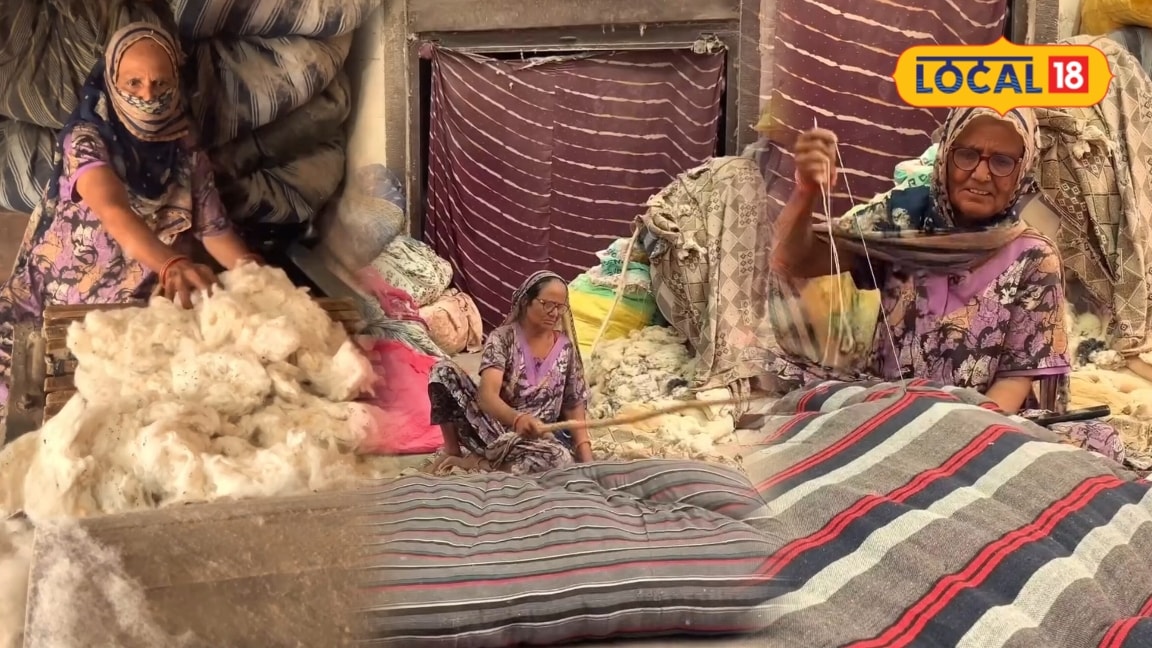
In the heart of Pali, a remarkable testament to traditional craftsmanship endures as the Pinjara community tenaciously preserves its centuries-old art of crafting handmade mattresses. Amid a commercial marketplace increasingly dominated by mass-produced foam and heavily marketed branded mattresses, these dedicated artisans refuse to let their ancestral heritage fade into obscurity. Operating with an unwavering commitment to quality, the community maintains a distinct identity built upon the timeless art of cleaning raw cotton and stitching opulent, velvety bedding by hand.
The historical roots of this trade trace back to families who migrated from Indore to Pali many years ago, bringing with them specialized techniques that eventually became synonymous with their community identity. Over successive generations, these families established a reputation for producing bedding materials renowned for exceptional durability and unmatched softness. Unlike modern factory-manufactured alternatives that quickly lose their structural integrity, these traditional handmade creations are engineered to provide long-lasting comfort through meticulous craftsmanship and inherited expertise.
Examining the ground reality reveals a rigorous daily routine where artisans rely on decades-old traditional machinery to card and fluff raw cotton flakes before meticulously assembling them into finished mattresses. Armed with simple needles and thread, craftsmen execute intricate manual designs that modern mechanical looms fail to replicate with authentic precision. Despite the painstaking hours dedicated to producing each individual mattress, the financial compensation remains disproportionately low, reflecting the economic vulnerabilities faced by these traditional artisans in a competitive contemporary marketplace.
Interactions with local community members and traders underscore a deep appreciation for the superior comfort and therapeutic benefits offered by these authentic cotton mattresses compared to synthetic foam substitutes. Consumers who value traditional craftsmanship consistently praise the enduring resilience and natural breathability of these products. Nevertheless, local practitioners express growing concern that the combination of arduous physical labor and meager profit margins fails to attract modern youth toward sustaining the family trade.
The broader regional implications of this cultural preservation extend across the surrounding districts, highlighting the socioeconomic challenges confronting traditional cottage industries in modern times. As machine-driven manufacturing expands rapidly, artisanal communities struggle to maintain their economic footing while simultaneously serving as custodians of invaluable intangible cultural heritage. The presence of the Pinjara community in Pali serves as a vivid reminder of indigenous manufacturing traditions that once thrived across the region before the advent of industrial mass production.
Administrative observers and local market analysts note the absence of targeted institutional support or specialized financial schemes designed to safeguard such vulnerable traditional vocations from extinction. Without formal intervention, subsidized raw material access, or organized marketing platforms to showcase their handmade goods to a wider consumer base, these artisans remain entirely dependent on localized, traditional demand. Ensuring the survival of this heritage requires coordinated efforts between civic bodies and cultural preservation agencies to enhance the economic viability of the craft.
Looking toward the future, the continuity of this ancestral profession remains precariously balanced between a rich historical legacy and the relentless pressures of modern consumerism. While older artisans remain deeply dedicated to passing down their manual skills, the lack of secure financial prospects poses a severe threat to generational succession. Ultimately, preserving the work of the Pinjara community in Pali will depend on cultivating renewed consumer appreciation for sustainable, handmade goods and establishing robust market linkages that honor the true value of their labor.