
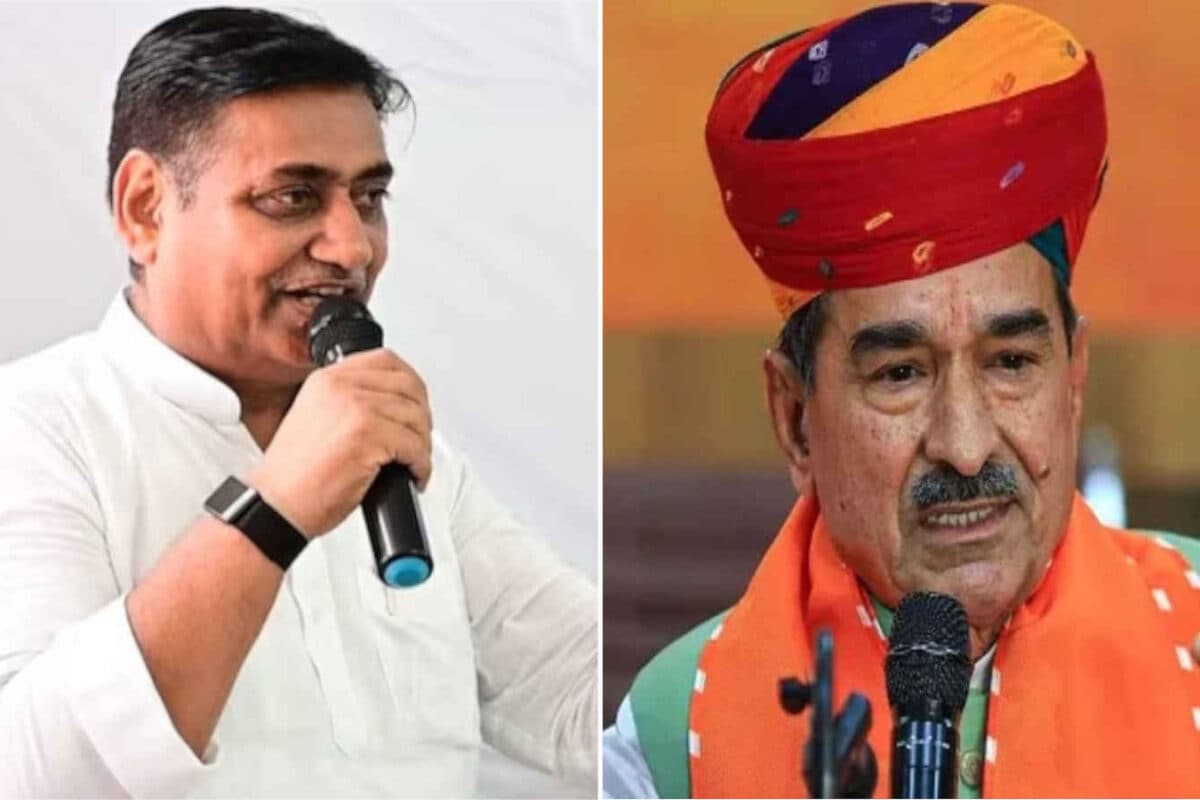
In the final phase of the Rajasthan Urban Local Body Elections 2026, the Bharatiya Janata Party (BJP) has delivered a crushing defeat to the opposition Congress party. Securing dominance across nearly two-thirds of the total municipal bodies in the state, the ruling party has established a formidable political footprint. This outcome marks a significant turning point in the urban political landscape of Rajasthan, altering power equations at the grassroots level of governance.
A critical examination of the electoral trajectory reveals a stark contrast between initial expectations and the ultimate outcome. In numerous urban local bodies across Rajasthan, the Congress party initially held a distinct numerical advantage and was anticipated to form municipal boards comfortably. However, as the final results materialized, the political momentum dramatically shifted, leaving Congress unable to translate its early numerical edge into formal governance victories.
The electoral arithmetic demonstrates the absolute scale of the BJP's triumph, with the party capturing approximately two-thirds of the local bodies. This sweeping mandate raises crucial questions regarding the structural preparedness and tactical execution of both major political formations. While the Congress party boasted favorable arithmetic in several regions, it faltered remarkably during the critical phase of board formation and coalition building.
Political observers, veteran journalists, and grassroots stakeholders are currently engaged in a deep post-mortem of the electoral results. Discussions are centered around multiple hypotheses explaining the unexpected downfall of the Congress party. Prominent among these theories are persistent internal factionalism within the party ranks, the exceptionally robust political management apparatus of the BJP, and the strategic deployment of psychological influence over newly elected independent councilors.
The ripples of this decisive electoral outcome are acutely felt across various regions, including local communities within the Kotputli-Behror district and neighboring urban centers. Local traders, community leaders, and residents are closely monitoring how these shifts in municipal leadership will influence local infrastructural development, urban resource allocation, and civic governance over the coming years.
Administrative machinery and statutory election authorities played a pivotal role in ensuring the peaceful execution of the electoral process through all its phases. District administrations maintained strict oversight during the voting and counting phases, ensuring compliance with established electoral guidelines. Officials have emphasized transparency and adherence to democratic protocols as the final municipal boards officially assume their administrative responsibilities.
Looking ahead, the newly established municipal boards under the BJP banner face high public expectations regarding urban development and administrative efficiency. The coming months will test the governance capabilities of the ruling party's local leadership, while the Congress party faces an urgent imperative to resolve internal divisions and reassess its political strategy for future electoral battles across Rajasthan.