
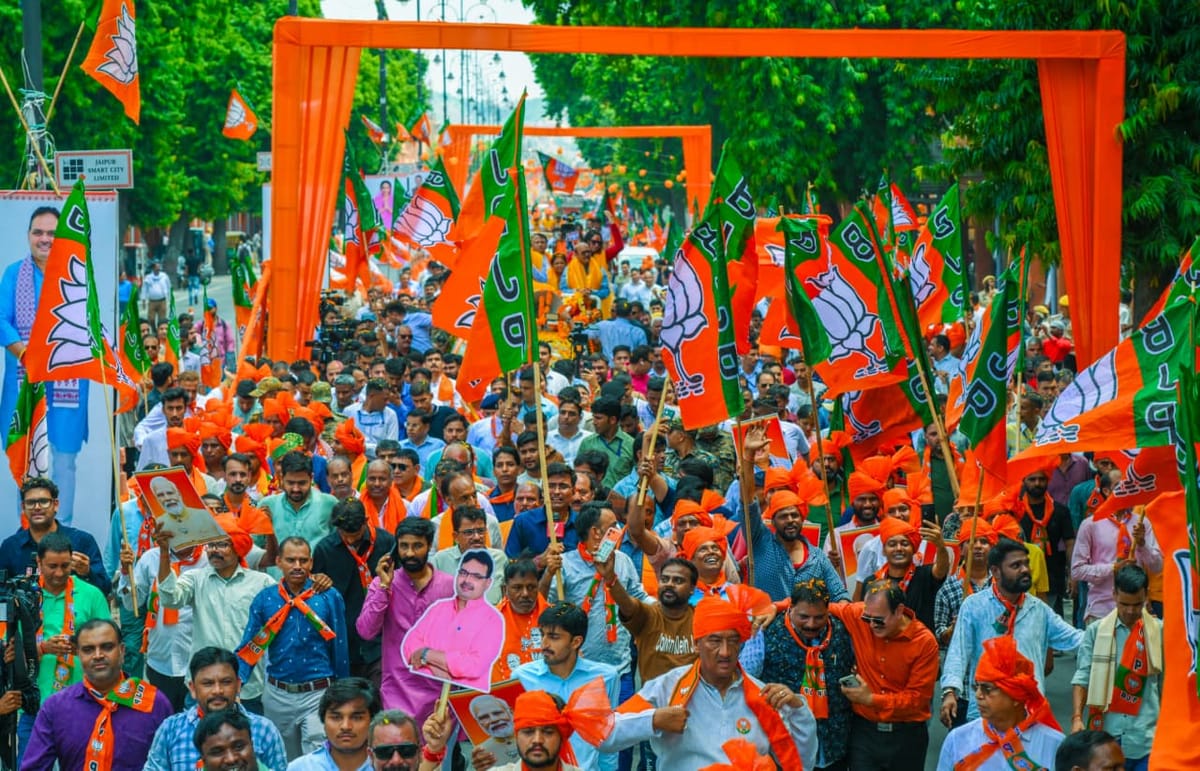
The Bharatiya Janata Party (BJP) announced the expulsion of seven additional party members identified as rebels, raising the total number of expelled leaders to forty‑nine in the days preceding the scheduled local body elections. The expulsions were confirmed by the party’s state office, which stated that the action was taken to preserve organisational discipline ahead of the polls. Simultaneously, the Indian National Congress (INC) reported receiving more than eighty grievances against its own functionaries, with the party indicating that any punitive measures would be deferred until after the election results are declared.
This wave of disciplinary moves emerges against a backdrop of long‑standing factionalism within both parties. Historically, the BJP has employed strict internal controls to curb dissent, especially during election cycles, while the Congress has struggled with internal dissent since the early 2000s, often manifesting in formal complaints lodged by senior cadres. The current expulsions and complaints reflect a broader pattern of parties seeking to project unity and resolve internal conflicts before voters head to the polls.
On the ground, the numbers reveal the scale of the internal turmoil. The BJP’s tally of forty‑nine expelled members includes seven newly identified rebels, each accused of violating party directives or engaging in anti‑party activities. The Congress’s record of over eighty complaints suggests a substantial volume of alleged misconduct, ranging from breach of party discipline to allegations of corruption, though specific details remain undisclosed. Both parties have indicated that the disciplinary processes involve internal committees that will review each case against established party statutes.
While the dispatch did not contain verbatim quotations, party officials have communicated their positions through official statements. A senior BJP spokesperson emphasized that “discipline is essential for electoral success” and affirmed that the expulsions were necessary to maintain a cohesive campaign strategy. An INC senior leader, speaking on condition of anonymity, remarked that the party is “collecting all grievances to ensure a fair assessment after the elections, thereby avoiding any perception of pre‑emptive bias.” Local activists and traders expressed mixed reactions, with some praising the decisive action as a sign of strong leadership, while others warned that excessive purges could alienate grassroots supporters.
For the Kotputli‑Behror district, the disciplinary actions carry tangible implications. The region, known for its agrarian economy and emerging small‑scale industries, is a critical battleground where both parties vie for the support of farmers, shopkeepers, and youth voters. The removal of local BJP leaders may lead to a reshuffling of campaign responsibilities, potentially affecting the party’s outreach in villages that previously relied on those leaders for mobilisation. Conversely, the Congress’s pending complaints could delay the party’s ability to field candidates in certain wards, creating uncertainty among its local cadres.
Administrative bodies at the state level have pledged to monitor the disciplinary processes to ensure they adhere to party constitutions and electoral regulations. The Election Commission has been notified of the internal actions but has clarified that it will intervene only if any procedural violations impact the fairness of the election. Both parties have been urged to resolve internal disputes transparently and to avoid any actions that could be construed as influencing the electoral roll or voter intimidation.
Looking ahead, the BJP is expected to finalise its candidate list for the local body elections within the next week, incorporating the newly expelled members’ vacancies into its strategic calculations. The Congress, after the polls, will convene its disciplinary committee to examine the eighty‑plus complaints, with outcomes likely to be announced before the next legislative assembly session. Voters in Kotputli‑Behror will watch closely to see whether these internal reckonings translate into more disciplined campaigning or whether they sow further discontent among party faithful.