
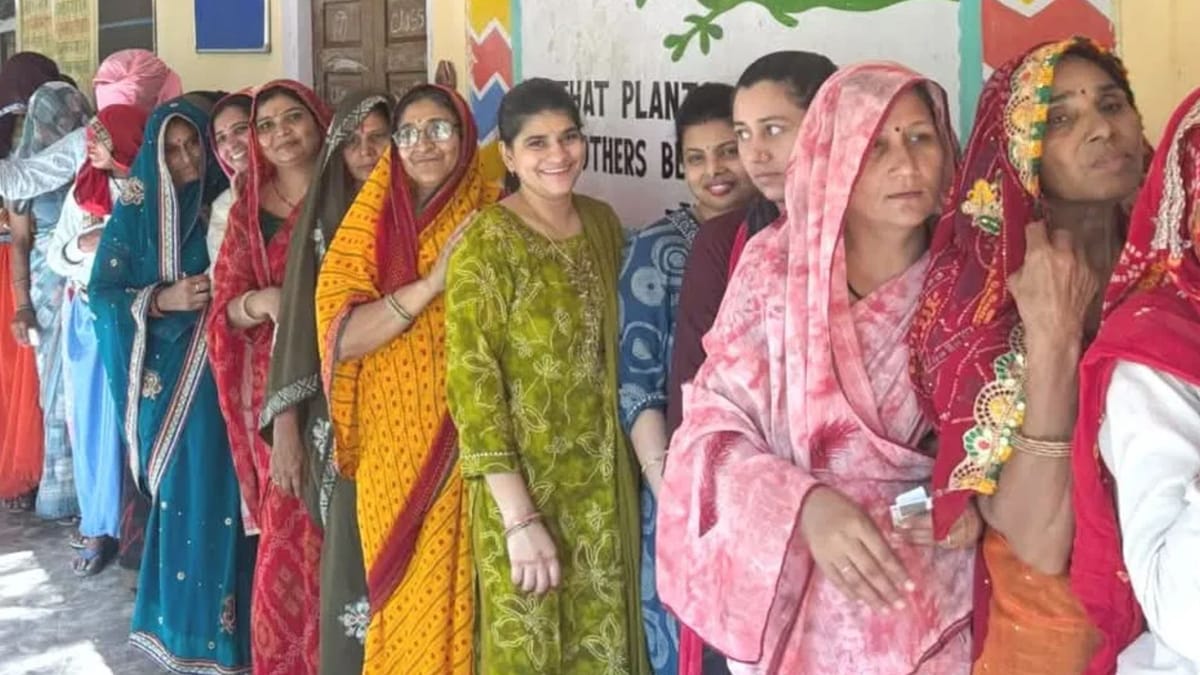
In the first phase of the 2026 urban local body elections, the Kotputli‑Behror district recorded an overall voter turnout of 84.84%, a figure that underscores robust civic engagement across the region. Kotputli Nagar Parishad, one of the five municipal bodies voting on the day, achieved a turnout of 85.29%, positioning it just behind Narayanpur, which posted the highest participation at 86.97%. The election, scheduled for early October 2026, involved 428 candidates competing for seats across the five bodies, all of whom saw their electoral fortunes hinge on the performance of electronic voting machines (EVMs) that day.
The municipal elections in Rajasthan have historically been a barometer of local governance sentiment, reflecting the public’s appraisal of service delivery, infrastructure development, and fiscal management at the grassroots level. This cycle marked the first comprehensive election after the 2025 state‑wide delimitation exercise, which redrew ward boundaries to better align with demographic changes. The heightened turnout, therefore, can be seen as a response to both the renewed political map and a growing awareness among citizens of the importance of municipal representation.
On the ground, polling stations across Kotputli reported a smooth flow of voters until late afternoon, when reports emerged of alleged irregularities in vote counting. Election officials indicated that a subset of EVMs experienced technical glitches, prompting a temporary lock on the machines to safeguard the integrity of the vote. The lock affected all 428 candidates, whose results remained pending until the machines were cleared. Financially, the election cost the state approximately INR 150 crore, covering security deployment, voter awareness campaigns, and the procurement of over 2,000 EVM units for the district.
Stakeholder reactions were mixed. A senior election officer, speaking on condition of anonymity, said, “The temporary lockdown of EVMs was a precautionary measure to verify that no tampering occurred. We are committed to transparency and will release a detailed audit once the machines are re‑commissioned.” Local traders, many of whom set up stalls near polling booths, expressed frustration at the disruptions, noting a loss of daily earnings. Meanwhile, several resident groups organized peaceful protests, demanding an immediate investigation into the alleged fake voting and a swift resolution to restore public confidence.
The ramifications of the contested voting process extend beyond the immediate electoral outcome. Kotputli‑Behror’s economy, heavily reliant on small‑scale manufacturing and agricultural trade, depends on stable municipal leadership to manage water supply, road maintenance, and waste disposal. Delays in finalising council composition could stall ongoing infrastructure projects, affecting livelihoods and potentially slowing the district’s projected 5% annual growth rate.
In response to the unrest, the State Election Commission (SEC) dispatched a technical audit team to examine the locked EVMs. The commission also ordered an independent forensic review by the Election Commission of India’s cyber‑security wing. Additional security personnel were deployed to the most volatile booths, and a public grievance portal was opened to collect citizen complaints within a 48‑hour window. The SEC has promised to publish a comprehensive report within two weeks, outlining the cause of the glitches and any corrective actions required.
Looking ahead, the remaining phases of the municipal elections are scheduled for the next two weeks, with the SEC emphasizing that the current episode will not impede the overall timetable. Election officials have pledged enhanced monitoring, including live video feeds from polling stations and real‑time EVM diagnostics. Citizens are urged to remain vigilant, report any irregularities, and participate in the upcoming voting rounds to ensure that the district’s governance reflects the will of its electorate.