
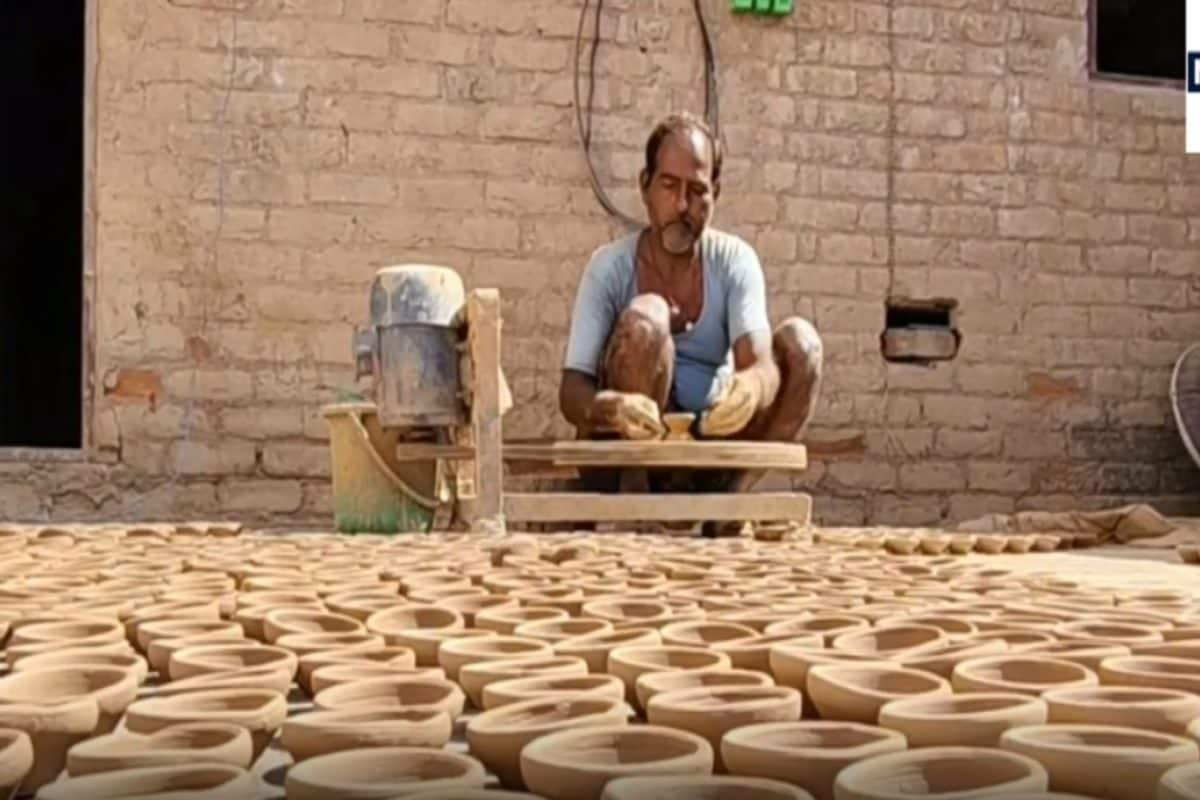
In the vibrant city of Bikaner, preparations for the upcoming Diwali festival have brought forth a heartening economic shift for traditional artisans. As households begin their festive arrangements, the demand for traditional earthen lamps, commonly known as diyas, has started rising significantly. This seasonal transformation highlights a broader cultural inclination among residents who are actively prioritizing indigenous craftsmanship over mass-produced foreign goods during the festival of lights.
Historically, the pottery community in the region has weathered immense economic pressures due to the influx of cheap, imported electronic lighting options flooding local markets. For consecutive years, traditional clay artisans faced dwindling sales as decorative plastic lights and LED strings captured consumer preference. However, the current festive season marks a remarkable turning point, illustrating a cultural and economic revival for potters whose livelihoods depend heavily on seasonal earthenware sales.
A closer examination of the ground reality reveals that the traditional marketplace in Bikaner is witnessing an encouraging revival of interest in handcrafted goods. Beyond the standard simple oil lamps, artisans have introduced a wide variety of designer diyas, tailored specifically to meet modern aesthetic preferences while retaining the fundamental essence of traditional clay artistry. This diversification in product offerings has successfully captured the attention of shoppers, translating into higher footfall and robust commercial transactions across local pottery hubs.
Local artisans and community members have expressed immense satisfaction with this changing consumer mindset, noting that the renewed appreciation for handmade products provides much-needed financial relief. Families engaged in pottery generation after generation point out that buying earthen lamps not only brightens individual homes but also supports the grassroots economy. Traders and market observers emphasize that community awareness campaigns encouraging Vocal for Local initiatives have played a vital role in steering public preference back toward sustainable, indigenous items.
The positive economic ripple effects of this trend extend across the entire district and surrounding regions, reinforcing the financial stability of marginalized artisan families. When local potters secure adequate revenue during the peak Diwali season, it directly alleviates their yearly economic distress and funds their basic households for months to follow. The flourishing trade of earthen lamps serves as a crucial economic lifeline for traditional craftspeople operating within the local market ecosystem.
Local administrative bodies and trade associations have also observed this seasonal transition, noting that public cooperation with indigenous economic promotion has strengthened organically. While no punitive regulatory measures against foreign lights are enforced, the spontaneous behavioral shift among consumers has proven far more effective in revitalizing traditional trades. Authorities continue to monitor market dynamics to ensure fair trading spaces and adequate vending zones for seasonal artisans during the festive rush.
Looking ahead, community leaders and artisan cooperatives remain optimistic that this consumer trend will sustain well beyond the current festive period and influence future celebrations throughout the year. The resurgence of earthen lamps during Diwali in Bikaner establishes a promising precedent for the preservation of indigenous crafts and sustainable local commerce. As the festival approaches, potters across the district continue working diligently on their wheels, turning hope into reality with every single clay lamp crafted.
