
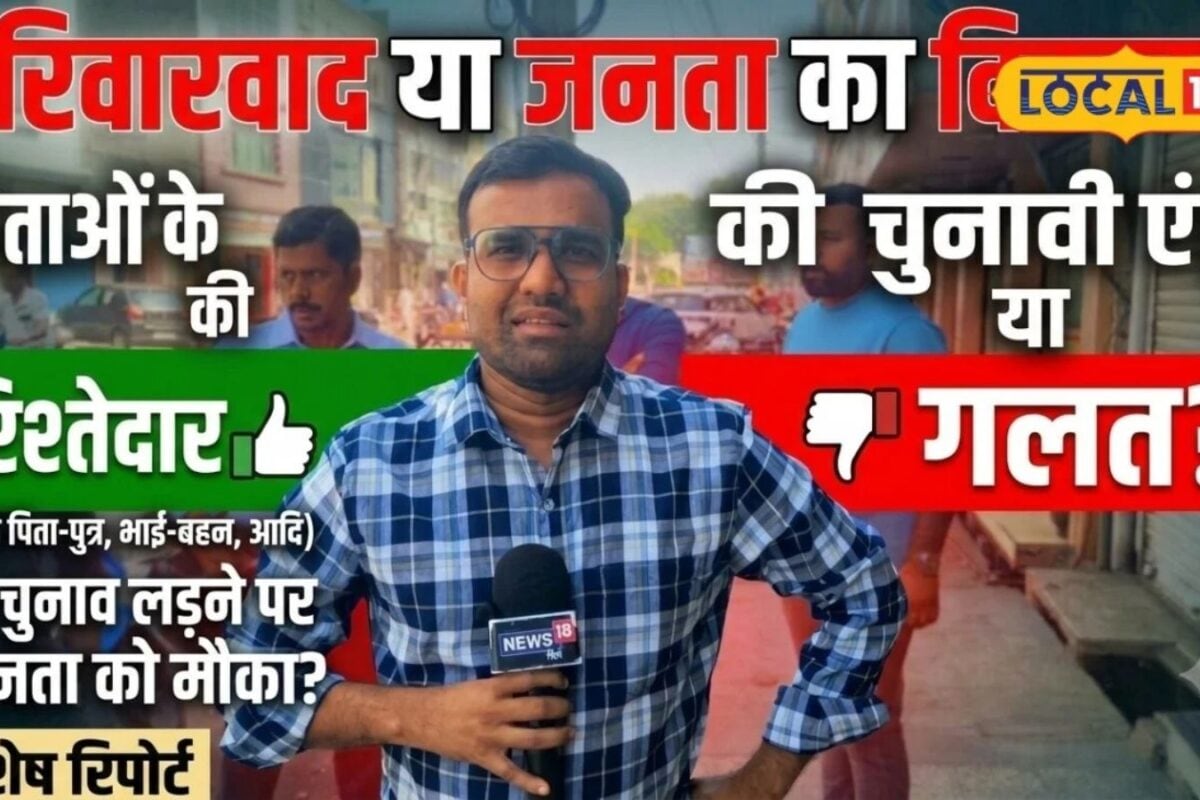
Public sentiment in Rajasthan has reached a critical juncture regarding the selection of candidates for the upcoming Panchayati Raj elections, with citizens across Bhilwara expressing profound dissatisfaction over the distribution of tickets. The core grievance centers on the persistent allocation of electoral tickets to the relatives of influential political leaders rather than acknowledging genuine merit. This practice has triggered intense debates regarding fairness, transparency, and the fundamental tenets of democratic representation within local governance structures.
Historically, the grassroots infrastructure of political parties heavily relies on dedicated workers who invest tireless days and nights into community mobilization, campaign execution, and voter outreach. Over successive electoral cycles, however, a growing perception has taken root that these foundational contributors are routinely sidelined during candidate selection. The prevailing trend of prioritizing familial lineages over proven organizational loyalty has deeply demoralized sincere activists who view political parties as vehicles for collective public service rather than private enterprises.
Prominent community stakeholders and local merchants have articulated clear demands during public interactions, asserting that leadership positions must be earned through active community service rather than inheritance. Citizens argue that when inexperienced family members of politicians are parachuted into leadership roles, the entire administrative apparatus suffers due to a lack of genuine connection with ground-level realities. Traders and local entrepreneurs emphasize that economic growth in rural and semi-urban sectors requires leaders who understand grassroots challenges and possess a proven commitment to public welfare.
Although the administrative focus remains centered on conducting free and fair elections in Rajasthan, the broader socio-political implications of this public discontent extend far beyond immediate electoral outcomes. Communities throughout the region are increasingly questioning the internal democratic health of political organizations. The demand for merit-based ticket distribution is no longer treated as a marginal grievance but as a central pillar for restoring public trust in representative democracy and ensuring equitable developmental progress.
Administrative authorities and election observers are monitoring the situation closely as the political discourse intensifies across the district. While statutory bodies operate strictly within established legal frameworks regarding candidate eligibility and nomination procedures, the moral pressure from the electorate is palpable. Civil society groups and local community leaders continue to urge political parties to institute internal reforms that institutionalize meritocracy and safeguard the legitimate aspirations of workers who toil at the grassroots.
Looking ahead, the upcoming electoral phase in Bhilwara will serve as a definitive test for major political parties regarding their responsiveness to public opinion. The collective voice of the citizens demanding an end to nepotism could fundamentally alter political calculation strategies in the region. Observers suggest that political formations ignoring these grassroots sentiments risk severe electoral repercussions, making the democratization of ticket distribution an unavoidable imperative for sustainable political success.
