
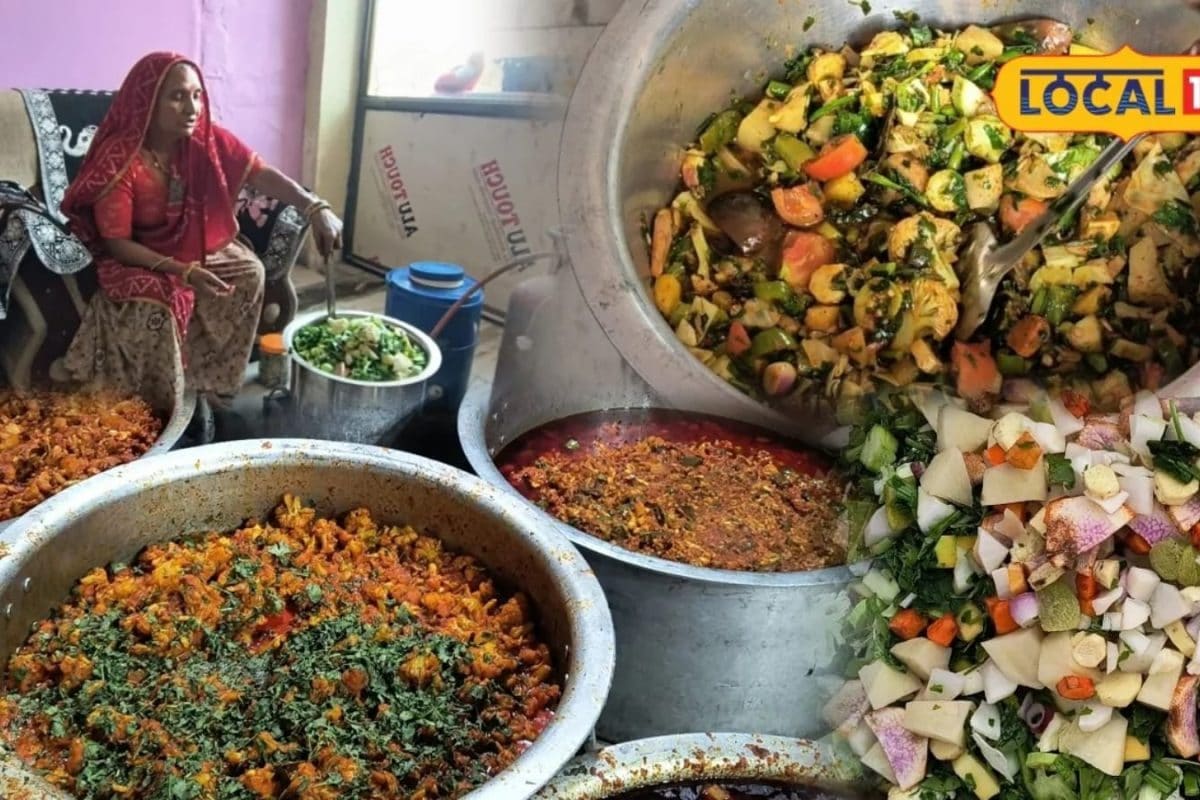
Following the vibrant festivities of Govardhan Puja, traditional culinary enthusiast Jani Devi Paik from Bhilwara has publicly shared an authentic method to prepare the revered Annakoot vegetable delicacy at home. Annakoot, a sacred mixed-vegetable dish offered as prasad in temples across Rajasthan, is widely celebrated for its rich blend of seasonal produce and aromatic spices. The release of this definitive culinary guide allows households across the region to replicate the sought-after temple-style flavor within domestic kitchens.
Annakoot holds deep cultural and spiritual significance in Northern and Western India, served predominantly during the post-Diwali festivities of Govardhan Puja. Historically prepared in massive cauldrons within temple premises, the dish symbolizes gratitude for the harvest season by combining a diverse assortment of fresh autumnal vegetables. Over generations, mastering the distinct flavor profile of temple-prepared Annakoot remained a specialized skill known primarily to traditional temple cooks, making household replication a prized culinary achievement.
According to the detailed instructions provided by Jani Devi Paik, the authentic recipe relies on a diverse selection of fresh seasonal produce, including potatoes, eggplants, cauliflowers, bottle gourds, radishes, carrots, green peas, green beans, and sweet potatoes. The preparation requires meticulous attention to the physical properties of each ingredient. The precise selection of spices, combined with fresh produce, creates the complex, harmonious flavor profile characteristic of traditional temple prasad.
Emphasizing key cooking secrets, Jani Devi Paik highlighted that the cornerstone of achieving temple-grade taste lies in the sequence and timing of cooking. Harder vegetables such as sweet potatoes, carrots, and potatoes must be added earlier, while delicate greens and soft vegetables like eggplants and bottle gourds are incorporated later to prevent overcooking. Furthermore, keeping the water content strictly limited and allowing the dish to simmer slowly on low flame allows the natural juices and spices to infuse thoroughly.
The dissemination of authentic festive recipes resonates strongly across the Kotputli-Behror district and adjoining rural belts, where post-festival community feasts form an integral part of social cohesion. Local markets in Kotputli experience a surge in demand for seasonal vegetables as families gather to prepare traditional Annakoot offerings. Culinary traditions shared across neighboring districts like Bhilwara reinforce regional heritage and foster vibrant community celebrations.
While festive food preparation remains a cherished tradition, local health authorities and administration routinely emphasize hygiene and food safety during large-scale community cooking. Food safety inspectors urge consumers to select fresh, well-washed produce and use clean cooking oils, ensuring that sacred offerings distributed among neighbors and devotees remain wholesome and safe for consumption.
As domestic cooks adopt these traditional culinary techniques, the practice of making temple-style Annakoot at home continues to thrive, bridging generational gaps. Culinary enthusiasts note that preserving such time-tested recipes ensures the continuation of Rajasthan’s rich gastronomic legacy. Families across the region are expected to embrace these simple yet effective tips, ensuring that the sacred flavors of Govardhan Puja remain an enduring centerpiece of festive hospitality.
