
With the commencement of traditional festivities and the approach of Kartik Purnima 2026, the sacred destination of Pushkar has witnessed an immense influx of pilgrims and travelers from across various states. The informal inauguration of the festivities has triggered widespread movement toward the revered ghats and surrounding fairgrounds, marking the annual spiritual congregation. This massive gathering underscores the deep-rooted cultural and religious significance of the destination, attracting countless devotees eager to partake in holy rituals.
Historically, Kartik Purnima holds supreme religious importance in the cultural calendar, drawing millions who seek spiritual purification through holy dips in the sacred Pushkar Lake. The origin of this grand congregation dates back centuries, blending spiritual devotion with vibrant rural commerce and cattle trading traditions. Over generations, the event has evolved into one of India's most prominent socio-cultural gatherings, requiring meticulous planning by civil authorities to manage the colossal human footprint.
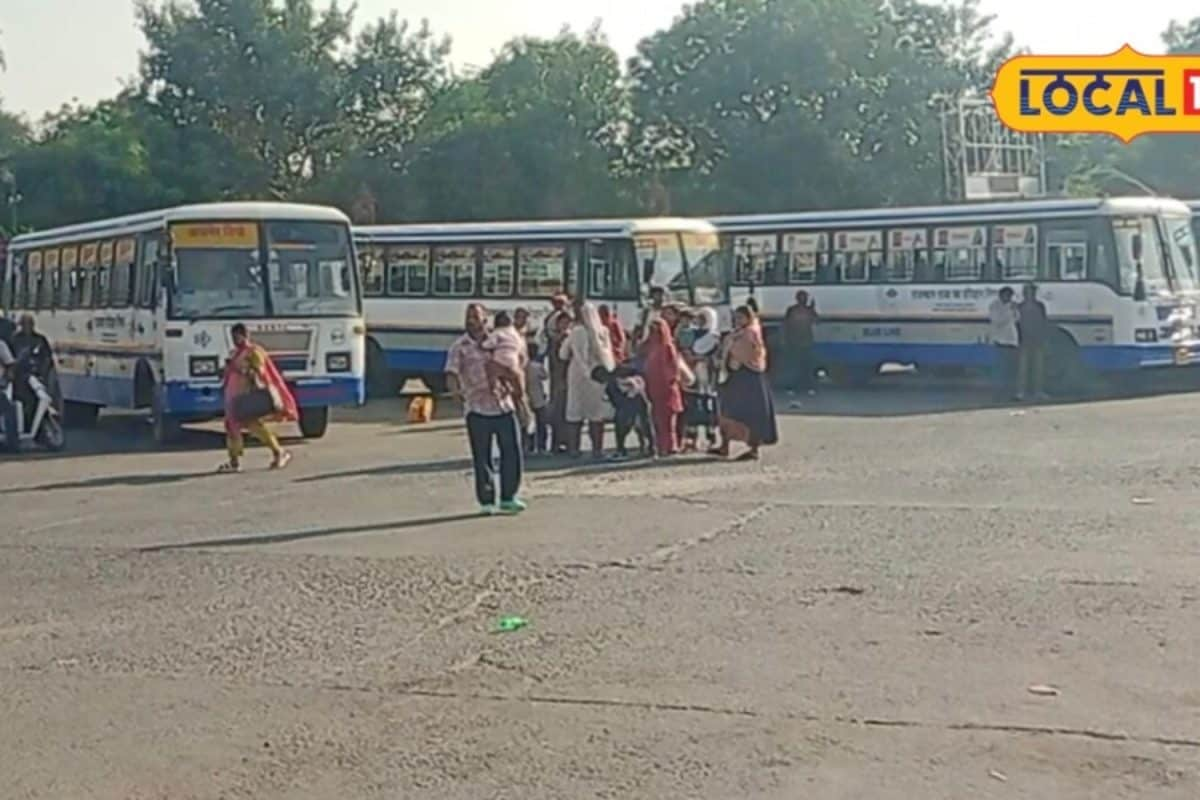
Addressing the pressing logistical challenges posed by the massive influx, transport authorities have unveiled comprehensive operational plans. The centerpiece of this transportation strategy involves the deployment of more than 100 additional buses dedicated specifically to the Pushkar routes. These extra services are strategically designed to connect major transit hubs directly with the sacred town, mitigating capacity crunches and ensuring orderly transit for elderly pilgrims, families, and international tourists alike.
Local stakeholders, including temple priests, trade associations, and transport unions, have expressed optimism regarding the preemptive administrative measures. Community representatives noted that timely interventions in public transportation alleviate traditional bottlenecks that typically plague regional highways during peak festival seasons. Merchants and hospitality providers anticipate robust economic activity, supported by the steady and organized arrival of visitors facilitated by the enhanced bus network.
The regional ripple effects of this mega-event extend well beyond the immediate boundaries of the temple town, significantly impacting transit corridors across neighboring districts, including Kotputli-Behror. Commuters traveling through these arterial routes experience heightened activity, necessitating coordinated traffic management and sustained oversight by regional transport officials. The symbiotic relationship between feeder routes and the final destination underscores the necessity of a unified logistical framework.
Administrative oversight remains rigorous as municipal and transport departments collaborate to execute the comprehensive transit blueprint. District officials have established dedicated monitoring cells to oversee bus operations, schedule compliance, and passenger safety protocols at all major boarding points. Such proactive statutory coordination ensures that the massive operational undertaking proceeds without disruptions, prioritizing public welfare and safety.
Looking forward, as the celebrations reach their zenith on the auspicious day of Kartik Purnima, transport authorities anticipate continued high demand across all deployed routes. Officials have indicated that the contingency fleet of over 100 buses will remain operational until the dispersal phase concludes successfully. Public expectations remain high for a seamless, safe, and spiritually fulfilling pilgrimage season supported by robust infrastructural backing.
