
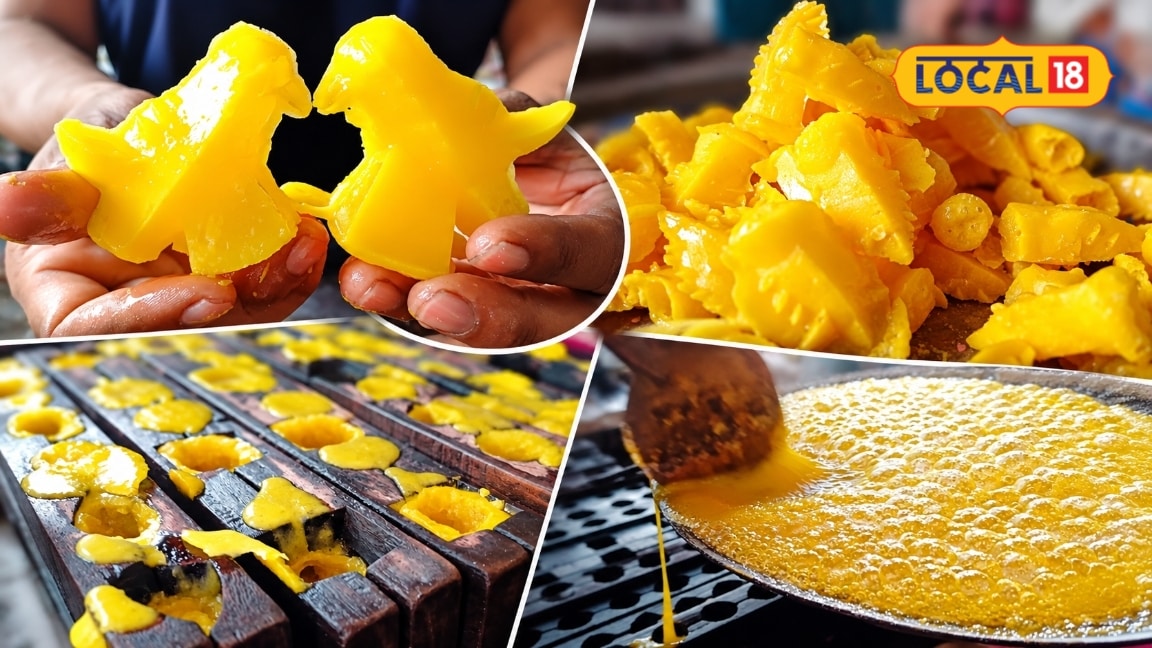
As the auspicious festival of Diwali approaches, the historic region of Bharatpur witnesses a vibrant revival of an age-old culinary tradition. Instead of rushing exclusively toward modern commercial confectioneries, local residents are actively purchasing traditional toy sweets. This unique preparation forms a central component of local festive shopping, drawing immense attention from households aiming to maintain authentic cultural practices during the celebrations.
The roots of this tradition trace back generations, representing a distinct craft deeply intertwined with regional folklore and festive rituals. Historically, families relied on skilled artisans who preserved the specialized techniques required to shape sugar and ingredients into recognizable forms. This historical continuity ensures that the festival retains its indigenous flavor, distinguishing the celebrations in Bharatpur from those in other urban centers.
On the ground, the meticulous manufacturing process involves utilizing traditional wooden molds to cast the sweets into diverse and colorful shapes. These handcrafted figures are not merely decorative items but carry profound significance for the rituals performed during the festival. The logistical efforts of local artisans culminate weeks prior to the celebrations, ensuring an adequate supply of these durable, aesthetic sweet structures for the community.
Local traders and enthusiastic buyers emphasize that despite market trends favoring mass-produced chocolates and dairy sweets, the emotional and cultural resonance of the wooden-molded toy sweets remains unmatched. Elders and community members frequently note that no festive household arrangement feels completely traditional without these specific figurines occupying a place of honor alongside customary offerings.
Beyond the immediate household celebrations, the sustained demand for these traditional items significantly impacts the local rural economy and traditional craftsmen in Bharatpur. Small-scale artisans who dedicate their time to carving molds and preparing these items find seasonal stability through this enduring market preference. The economic ripple effects support families engaged in preserving these specialized vocational skills.
While commercial markets have evolved rapidly with the introduction of numerous packaged snacks and sweets, local community organizations and cultural preservationists advocate for the continued recognition of such indigenous practices. Administrative and cultural bodies often encourage local markets to highlight heritage items, ensuring that traditional artisans receive due appreciation and support during peak festival seasons.
Looking ahead, the outlook for this traditional craft in Bharatpur remains remarkably resilient as younger generations increasingly appreciate the aesthetic and cultural value of these artifacts. Stakeholders express confidence that as long as religious rituals like Lakshmi worship continue to center around traditional symbolism, the demand for toy sweets will persistently thrive, securing the legacy of Bharatpur's unique festive craftsmanship for years to come.
