
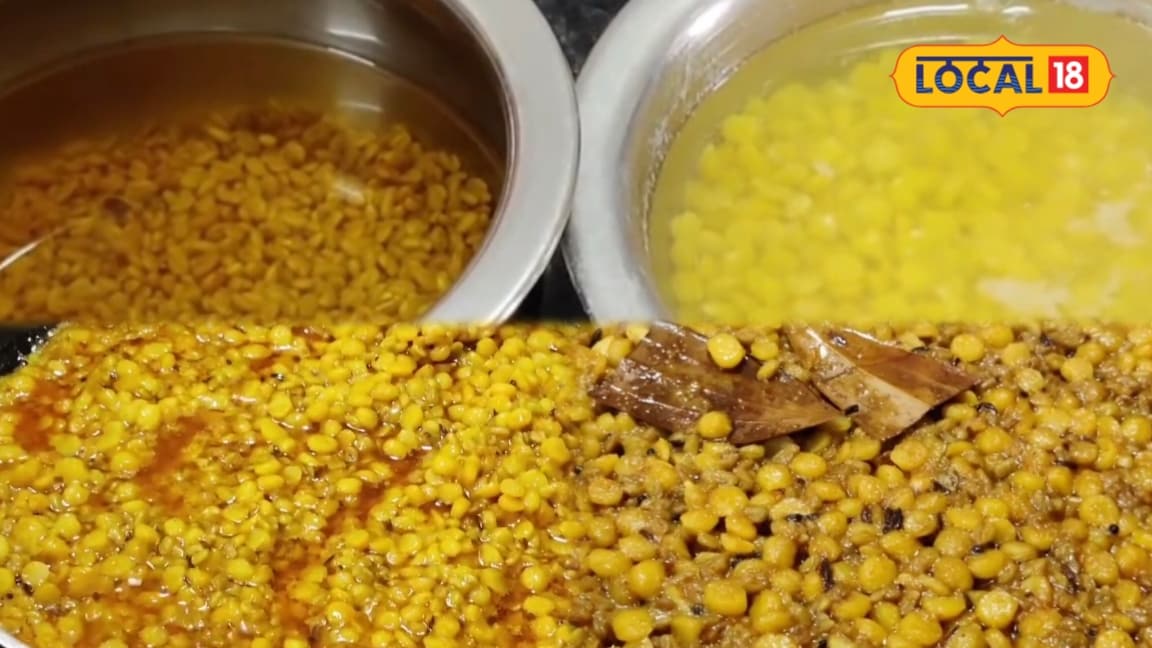
Culinary traditions of the desert state have once again captured widespread attention as the iconic Chana Dal-Dana Methi dish from Jalore takes center stage in regional gastronomy. This traditional preparation is celebrated for its unique flavor profile, blending the earthy texture of split Bengal gram with the distinct aromatic qualities of fenugreek seeds. Food historians note that such preparations were historically designed to maximize nutritional intake while withstanding arid climatic conditions.
The cultural origin of this recipe traces deep into the rural heartlands of Jalore, where preservation of seasonal ingredients dictated everyday cooking practices. Dana methi, or fenugreek seeds, have long been valued in regional households for their therapeutic properties and warming qualities during cooler months. Over generations, local culinary artisans perfected the technique of balancing the inherent bitterness of the seeds through careful soaking, boiling, and the harmonious integration of specific acidic agents.
A critical technical aspect of preparing this regional delicacy involves neutralizing the robust bitterness characteristic of raw fenugreek seeds without stripping away their medicinal benefits. Traditional cooks in Jalore employ meticulous preparation methods, ensuring that the seeds achieve an optimal texture before being combined with nutrient-dense chana dal. The precise measurement of indigenous spices ensures that the final dish maintains a balanced flavor profile rather than overwhelming the palate.
Local culinary experts and traditional homemakers emphasize that the soul of the dish lies in its specialized tempering process. The incorporation of freshly pounded garlic, robust local spices, and amchur creates an intricate interplay of savory, spicy, and tangy notes. This culinary synergy transforms humble pantry staples into a sophisticated dish that continues to grace both everyday household dining tables and festive ceremonial spreads throughout the region.
The broader cultural resonance of this recipe extends beyond the immediate boundaries of Jalore, influencing traditional food preservation and preparation techniques across the wider expanse of Rajasthan. As younger generations seek to reconnect with their ancestral roots through heritage cooking, recipes rooted in local wisdom are experiencing a significant resurgence. Community elders note that preserving these traditional methods ensures the safeguarding of indigenous agricultural knowledge and culinary identity.
Agricultural extension services and regional food authorities frequently document these traditional recipes to promote indigenous dietary diversity and nutritional awareness. While the dish remains fundamentally rooted in domestic kitchens, cultural preservation committees actively encourage the documentation of such heritage recipes to prevent them from fading amid modern dietary shifts. These administrative and community-led documentation efforts provide formal recognition to rural culinary artistry.
Looking ahead, culinary enthusiasts and heritage preservation societies plan to conduct workshops and community cooking demonstrations focusing on authentic Jalore-style preparations. These upcoming initiatives aim to educate urban populations on mastering traditional techniques like mitigating the bitterness of fenugreek seeds. Through sustained educational outreach, the timeless legacy of Rajasthani heritage cuisine is expected to thrive for generations to come.
