
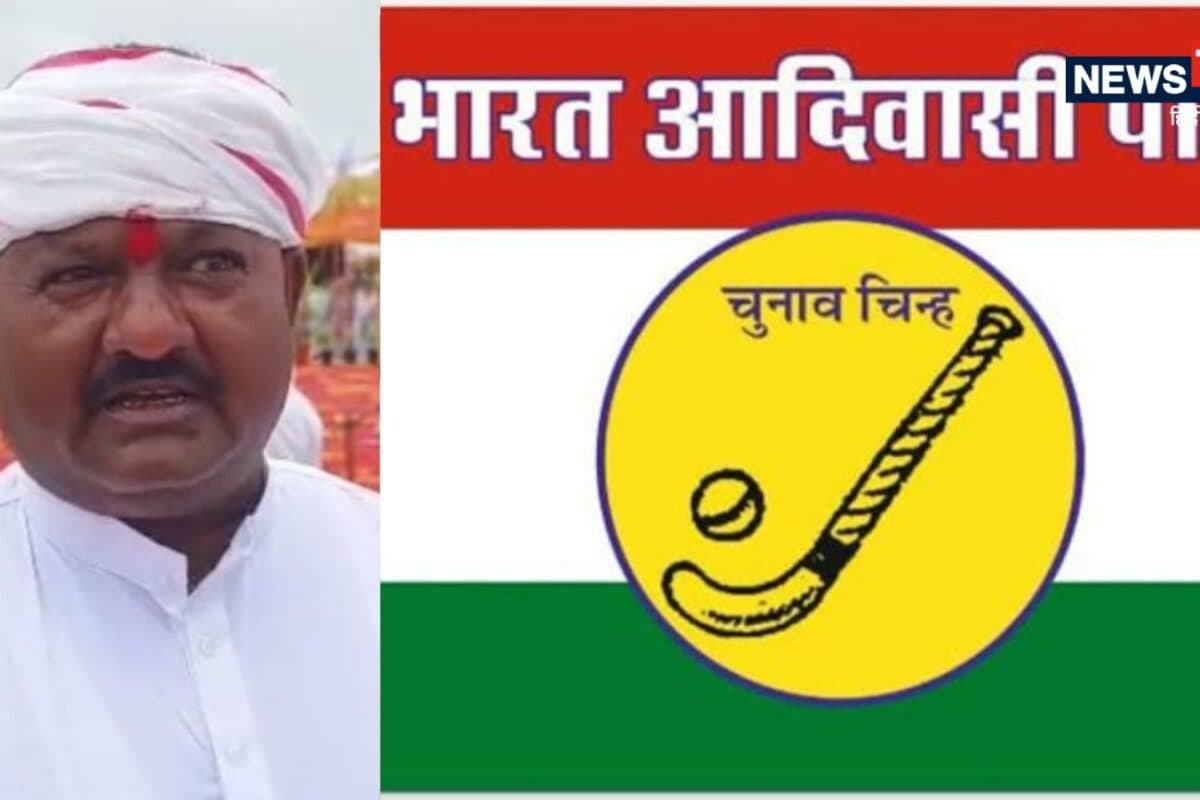
Following disappointing outcomes in the recent local body elections across Rajasthan, a massive political storm has erupted within the Bharat Aadmi Party. The electoral setbacks have triggered deep introspection and immediate high-level administrative overhauls within the political organization. The party leadership has expressed severe discontent regarding the overall performance of local candidates in various municipal bodies throughout the region.
The roots of this unprecedented internal crisis trace back to the recent electoral contests where party nominees faced unexpected and heavy defeats. The leadership had pinned high hopes on expanding its strongholds, but the results proved otherwise, dealing a severe blow to the party's political prestige and credibility in southern Rajasthan. Historical analysis of the region shows that grassroots mobilization is vital for the party, making these electoral losses particularly distressing for the central leadership.
The electoral arithmetic and vote shares recorded in Banswara, Kushalgarh, and Garhi municipalities fell drastically below internal projections and minimum acceptable thresholds. Party observers and organizational analysts noted that despite extensive groundwork, coordination failures at local booths led to disastrous outcomes. The specific figures and margins of defeat in these municipal councils and boards signaled an urgent need for structural corrections and organizational accountability.
Deeply angered by the dismal electoral display, National President Mohanlal Rot adopted a stern and uncompromising stance regarding organizational discipline. In the aftermath of a comprehensive internal review meeting, the national leadership concluded that complacency and sub-par campaigning by local representatives were solely responsible for the debacle. Consequently, the entire Banswara district executive team faced immediate dissolution, sending shockwaves through the regional party apparatus.
The political tremors caused by these decisions extend far beyond Banswara, significantly impacting the broader regional dynamics across Dungarpur and surrounding districts. Observers note that administrative restructuring within local units is bound to alter political alliances and grassroots strategies moving forward. The ripple effects of the Dungarpur president's removal and the Banswara dissolution are already being felt by grassroots workers, community leaders, and local functionaries alike.
As the party grapples with the fallout, administrative oversight and internal structural rebuilding have taken center stage. Senior leadership is actively formulating guidelines to restructure district committees through rigorous vetting and performance-based appointments. Local governance units are expected to undergo systematic reviews to prevent similar electoral failures in future political contests across the state.
Looking toward the horizon, the leadership maintains that strict accountability will remain the foundational principle for all future organizational assignments. The timeline for rebuilding the dissolved Banswara and Dungarpur committees will be announced soon by the central office following consultations with regional stakeholders. Public expectations remain high as the party attempts to recalibrate its strategy and regain lost ground in upcoming political engagements.