
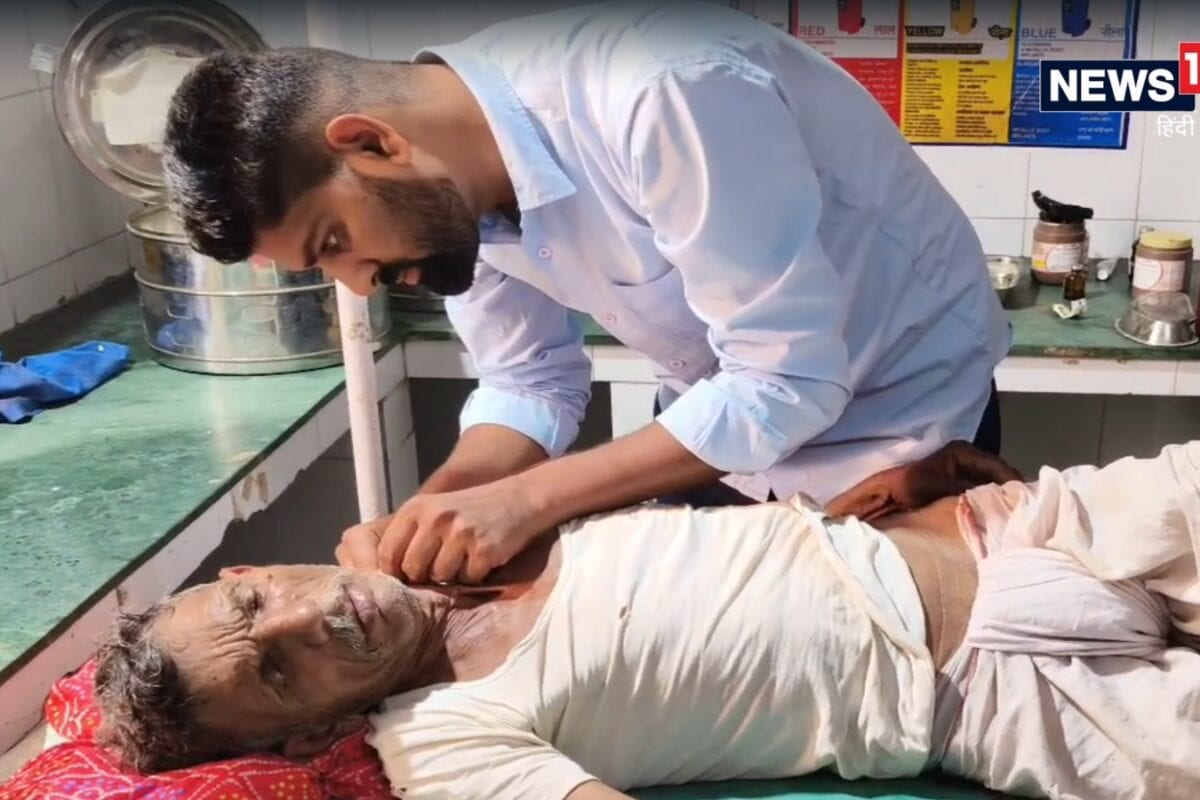
A tranquil and spiritually significant religious observation in Rajsamand district was abruptly disrupted by an unforeseen natural hazard, leaving more than twenty-five people injured following sudden bee attacks during the traditional Navratra jwara immersion ceremonies. What began as a joyous and devotional community gathering quickly descended into panic as swarms of bees targeted participants at two entirely separate locations simultaneously. The alarming incidents have cast a shadow of concern over the safety protocols traditionally observed during large-scale regional festivities and mass cultural events.
The cultural backdrop of Navratra celebrations traditionally involves extensive community participation, vibrant processions, and solemn rituals dedicated to the immersion of sacred jwara offerings in local water bodies. These traditional practices routinely witness significant congregations of devotees walking together in processions, singing hymns, and carrying ceremonial items. However, the unexpected aggressive behavior of local bee colonies in the vicinity of the immersion sites disrupted these deeply rooted religious proceedings, highlighting the unpredictable nature of wildlife interaction during rural festivities.
According to comprehensive ground reports gathered from the affected sites in Rajsamand district, the sudden and aggressive onslaught by the swarming insects resulted in injuries to over twenty-five individuals who were actively participating in the religious rites. Amidst the chaos that ensued following the unexpected attacks, local volunteers and emergency responders rushed to the aid of the victims, providing immediate preliminary assistance. Among those injured, the condition of three individuals deteriorated rapidly, necessitating their immediate referral to a specialized medical facility in Rajsamand for advanced clinical intervention and continuous monitoring.
Community members, local organizers, and eyewitnesses have expressed profound shock regarding the unprecedented dual attacks, noting that previous immersion ceremonies had historically concluded without incident. The simultaneous occurrence of these attacks at two distinct geographical locations within the district has fueled intense local discussions concerning environmental factors, the encroachment of natural habitats, and the pressing need for thorough reconnaissance of ritual sites prior to large public gatherings. Citizens have urgently called for heightened vigilance and preemptive safety measures by event organizers to prevent similar occurrences in the future.
While the immediate regional impact of the incident was primarily localized to the affected ritual sites within Rajsamand district, the news has reverberated across neighboring communities, prompting local authorities to re-evaluate safety protocols for upcoming festive seasons. Administrative officials and community leaders are under increasing pressure to analyze the environmental triggers behind the aggressive bee behavior and to formulate comprehensive guidelines that ensure participant safety without compromising traditional religious observances.
In response to the alarming developments, local administrative and medical authorities have initiated a review of emergency preparedness measures across the district. Health centers and hospitals in Rajsamand were placed on alert to manage the influx of injured citizens efficiently, ensuring that the three critically referred patients received prompt and comprehensive medical care. District officials are coordinating with local panchayats and event committees to establish better communication channels and swift response protocols for handling wildlife-related emergencies during mass public events.
Looking toward the future, community elders and local authorities are formulating precautionary measures to safeguard devotees during subsequent religious festivals and cultural immersions. Recommendations include conducting environmental sweeps of traditional gathering routes, deploying medical response teams equipped with anti-allergen supplies, and raising public awareness regarding wildlife safety. These proactive steps aim to restore community confidence and ensure that future devotional gatherings proceed safely and harmoniously.
