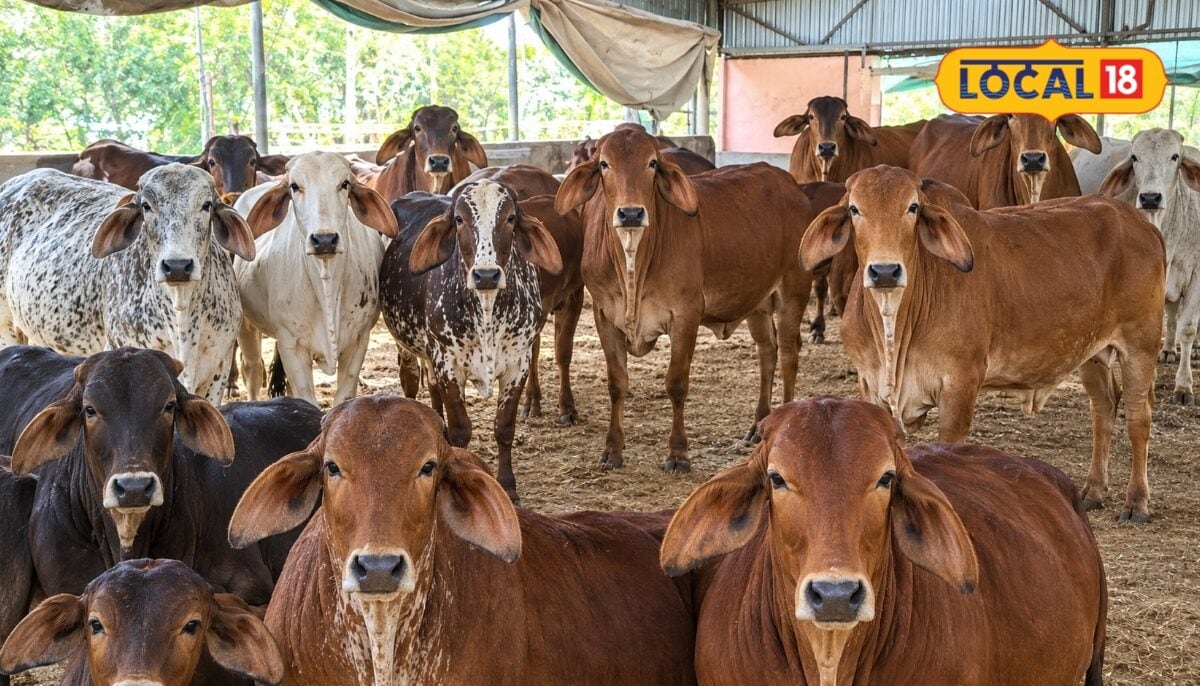
Veterinary health authorities and livestock experts have raised serious concerns over the escalating threat of ocular diseases affecting cattle and buffalo populations following the conclusion of the monsoon season. Across various rural sectors and agricultural communities, sudden changes in environmental humidity and post-monsoon climatic conditions have triggered a sharp surge in severe eye infections among domesticated farm animals. This seasonal vulnerability requires immediate attention from livestock owners, agricultural workers, and veterinary practitioners to safeguard the health and productivity of rural livestock assets.
Historically, the transition period from heavy seasonal rainfall to clear, humid weather creates an ideal microenvironment for various pathogens, bacteria, and allergens to proliferate rapidly. During this vulnerable meteorological phase, livestock are continuously exposed to stagnant water, muddy enclosures, flies, and airborne irritants that directly compromise ocular health. Over successive years, veterinary data has consistently indicated that post-monsoon weeks witness a disproportionate spike in bovine ophthalmological ailments, transforming manageable irritations into widespread regional health challenges if biosecurity measures are ignored.
At the center of this current health alert is chemosis, a distinct and painful pathological condition where the outer membrane of the animal's eye undergoes acute swelling, often presenting a characteristic jelly-like appearance. When chemosis develops in cattle or buffaloes, the affected tissues become severely edematous, causing extreme discomfort, excessive tear production, and visible distress in the animal. Farmers and caretakers on the ground have reported instances where the swelling is so pronounced that it obstructs the animal's vision entirely, severely disrupting their daily feeding routines, mobility, and overall physiological well-being.
Livestock owners, dairy farmers, and rural community leaders have expressed deep anxiety regarding the potential economic fallout associated with these untreated ocular infections. In direct stakeholder discussions, local farmers note that diseased animals suffer from reduced feed intake, precipitating a noticeable decline in milk yield and overall physical condition. Since dairy and livestock rearing form the financial backbone of numerous rural households, any prolonged illness or permanent disability in farm animals directly threatens the economic stability and livelihood of dependent families.
Within the specific regional context of agricultural districts and surrounding rural clusters, veterinary clinics and animal husbandry centers are reporting increased footfalls of cattle displaying severe eye complications. The local agrarian economy, which heavily relies on healthy bovine populations for daily agricultural operations and dairy commerce, is particularly vulnerable to widespread livestock morbidity. Local community networks and village councils are actively urging farmers to remain vigilant, inspect their herds daily, and report any early signs of ocular irritation to certified veterinary professionals immediately.
Responding to the mounting crisis, local administrative bodies and animal husbandry departments have initiated outreach programs to educate farmers on early symptom recognition and proper hygiene management. Veterinary officers emphasize that early diagnosis is critical; delaying medical intervention significantly increases the probability of severe corneal damage and permanent visual impairment in the affected cattle and buffaloes. Official guidelines recommend isolating infected animals to prevent the potential spread of infectious components, maintaining clean shelter environments, and applying prescribed medicated eye drops or ointments strictly under professional supervision.
Looking ahead, veterinary experts and administrative planners stress the necessity of sustained preventive healthcare campaigns, regular deworming schedules, and rigorous sanitation protocols across all rural dairy farms. As the community navigates the post-monsoon health challenges, continuous monitoring and prompt therapeutic responses will remain vital in protecting livestock populations. Public awareness initiatives, coupled with accessible veterinary support at the grassroots level, are expected to mitigate long-term damage and ensure the resilience of the regional agricultural economy against seasonal animal diseases.