
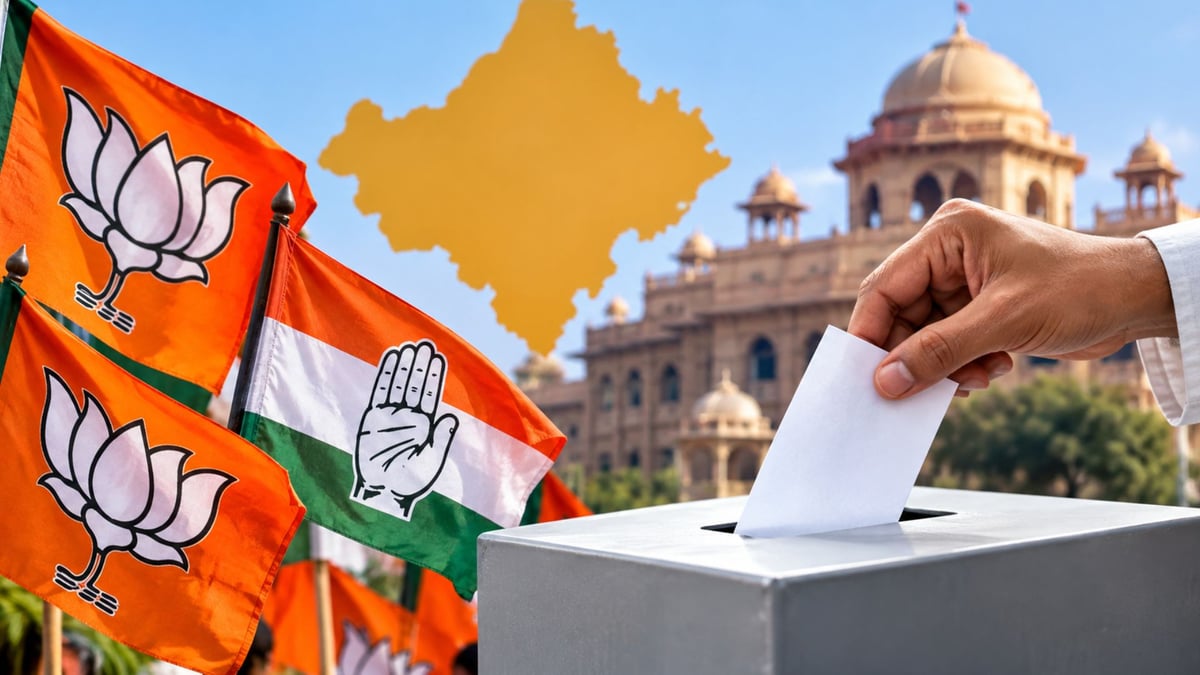
In a significant political development resonating across the Alwar district, the elections for the positions of vice-presidents in four distinct municipal boards have concluded with highly divergent outcomes. The electoral process, which captured the intense attention of local political analysts and citizens alike, finalized the leadership structures for these civic bodies. The results reflect a fragmented mandate across the region, where major national parties and independent contenders shared the spoils of local governance.
Historically, municipal elections in this part of Rajasthan serve as a crucial barometer of grassroots political sentiment, laying the groundwork for broader legislative dynamics. The administrative jurisdiction encompassing Alwar has long been a battleground for political supremacy between the dominant political formations. The stakes in these municipal bodies are exceptionally high, as vice-presidents hold substantial executive powers regarding local infrastructural development, sanitation budgets, and urban planning within their respective municipal limits.
A detailed examination of the electoral tally reveals specific outcomes across the four targeted civic bodies. In Thanagazi and Barodamev, the Indian National Congress demonstrated considerable organizational strength by securing victories in the vice-presidential contests. Conversely, the political landscape in Khedli witnessed a completely different dynamic, where the Bharatiya Janata Party candidate secured the vice-presidential office entirely unopposed, averting a contested vote through strategic political consensus or numerical dominance.
Adding further complexity to the regional political matrix, the electoral contest in Laxmangarh resulted in a notable triumph for an independent candidate. Shakuntala Devi successfully captured the vice-presidential seat in Laxmangarh, outmaneuvering traditional party machinery and underscoring the growing influence of non-affiliated leadership at the grassroots level. Stakeholders, including local traders, community leaders, and civic residents, have closely monitored these developments, anticipating how independent versus party-backed leadership will influence local municipal administration.
While the immediate geographical focus remains within the administrative boundaries of Alwar, the ripple effects of these municipal outcomes extend toward neighboring districts, including the newly established Kotputli-Behror region. Urban development policies, resource allocation frameworks, and civic administration standards observed in Alwar often set a precedent for neighboring rural-urban peripheries. The economic vitality of these municipal areas heavily depends on efficient local governance, making the newly elected vice-presidents pivotal to regional commercial stability.
Administrative authorities oversaw the entire electoral process, ensuring strict adherence to statutory guidelines, code of conduct regulations, and transparent ballot procedures. District election officials maintained rigorous oversight to prevent any procedural anomalies during the filing of nominations, scrutiny, and final declarations. The successful conclusion of these elections provides the necessary administrative stability for these four municipal boards to resume uninterrupted public service delivery.
Looking forward, the newly elected vice-presidents in Thanagazi, Barodamev, Khedli, and Laxmangarh face immediate challenges concerning infrastructural upkeep, public health management, and financial accountability. Municipal councils are expected to convene shortly to outline fiscal budgets and prioritize urgent community welfare projects. Public expectations remain high as residents look to their newly minted civic leaders to fulfill electoral promises and foster equitable development across all municipal wards.