
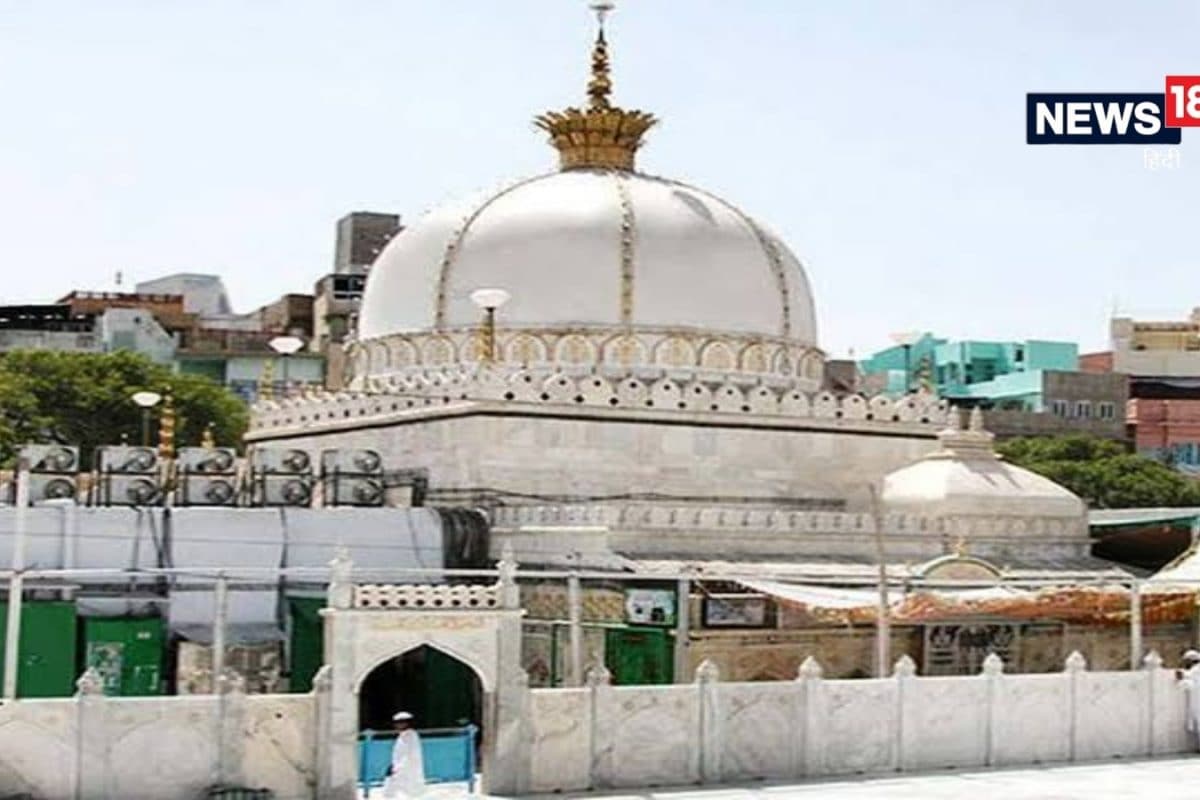
In a historic development reflecting the immense spiritual devotion and massive scale of traditional offerings, the contract for operating the sacred degs during the Urs at the Ajmer Dargah has been finalized. Haji Azeem Mohammad Chisti secured the rights with an unprecedented winning bid of 3.85 crore rupees for a duration of fifteen days. This significant financial milestone marks the highest recorded bid in the history of the Dargah's seasonal auctions, underlining the deep economic and cultural stakes involved.
Historically, the operational management of cooking and distributing sanctified food through the massive copper cauldrons, known as degs, has been a central pillar of the Urs festivities. Millions of pilgrims converge on Ajmer from across the globe, making these charitable culinary distributions a focal point of religious devotion. The formal auction process regulates these sacred services, ensuring structured administration and ceremonial continuity that spans centuries of Sufi heritage.
Delving into the financial specifics of this year's allocation, the winning bid of 3.85 crore rupees represents a sharp upward trajectory in the valuation of the fifteen-day contract. Compared to the preceding year, the final settlement has escalated by a remarkable 45.50 lakh rupees. Such substantial monetary figures illustrate not only the growing scale of the pilgrimage but also the intensified competitive environment among contractors vying for the prestigious privilege of serving the shrine.
Key stakeholders, community elders, and local traders view this record-breaking transaction through diverse lenses, noting both the economic robustness and the logistical challenges ahead. While financial analysts point to inflation and increased pilgrim turnout as primary drivers for the higher bid, traditional custodians emphasize the spiritual sanctity that must accompany large-scale commercial operations. The delicate balance between commercial bidding and religious devotion remains a topic of considerable discussion within the community.
The ripples of this major financial event extend far beyond the immediate precincts of Ajmer, touching regional trade networks and communities across neighboring districts, including Kotputli-Behror. Transport operators, suppliers of dry fruits and cooking ingredients, and hospitality workers throughout the wider region anticipate heightened commercial activity. As pilgrims make their seasonal journeys, local economies in transit corridors invariably experience a seasonal surge driven by the massive influx of devotees.
Administrative oversight by shrine authorities and municipal bodies plays a critical role in regulating these high-value contracts. Officials ensure transparency during the bidding process, verifying financial compliance and establishing rigorous guidelines for hygiene, food safety, and crowd management during the fifteen-day Urs period. The active involvement of statutory committees guarantees that traditional practices align with modern regulatory standards.
Looking forward, the successful awarding of the contract to Haji Azeem Mohammad Chisti sets the stage for meticulous logistical preparations ahead of the main Urs dates. Authorities and contractors alike are finalizing infrastructure blueprints to handle millions of visitors efficiently. As the timelines progress, public expectations remain high for a seamless, spiritually enriching, and flawlessly managed celebration that honors the timeless legacy of Khwaja Gharib Nawaz.
