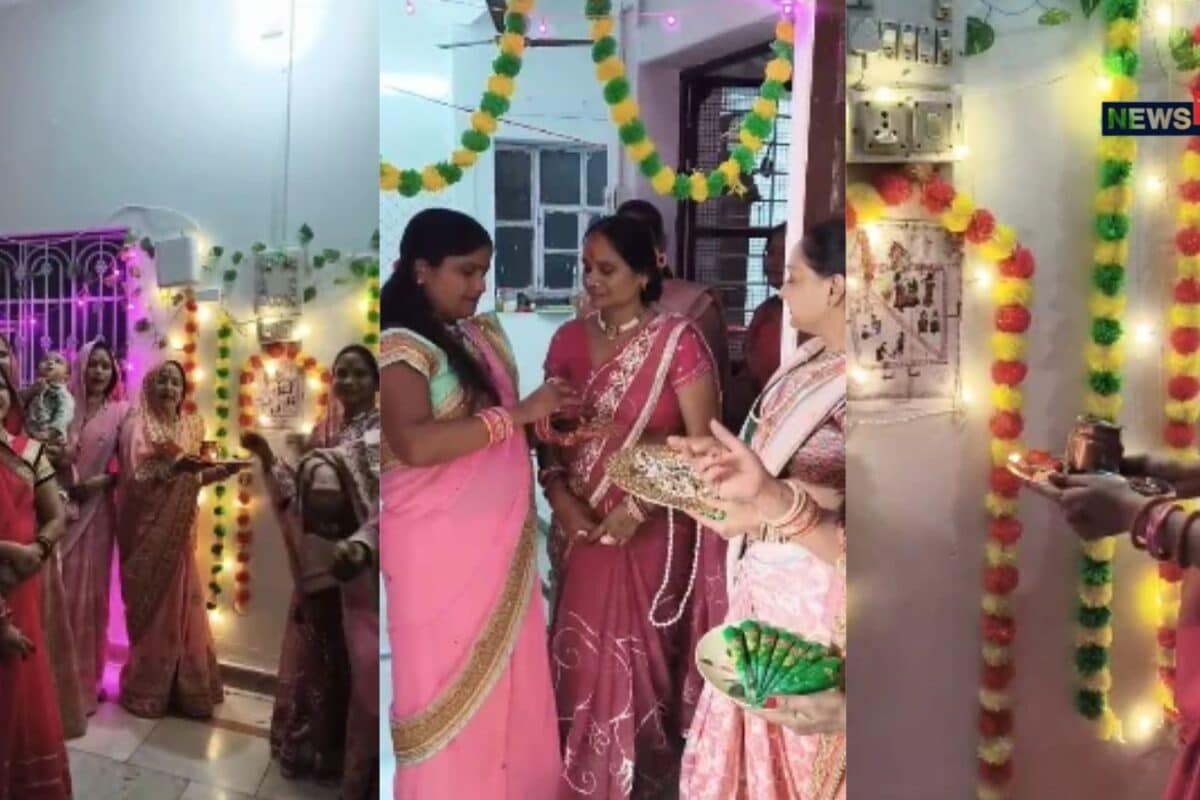
In the historic district of Karauli, a remarkable cultural phenomenon unfolds every year that bridges the gap between centuries-old heritage and contemporary community life. During the sacred fortnight of Shradh Paksha, the centuries-old 'Sanji' tradition continues to thrive with absolute devotion, drawing participation from families across the region. This deeply rooted cultural practice transforms everyday domestic and neighborhood spaces into vibrant hubs of artistic expression and spiritual reflection, maintaining a continuous link to the ancestral traditions of Rajasthan.
Tracing its origins back approximately 250 years, the Sanji tradition is historically and spiritually intertwined with the revered Shri Madanmohan Ji Temple in Karauli. Over the centuries, this practice has evolved from a localized ritual into a defining pillar of local identity. Generations of families have preserved the intricate details of the craft, passing down knowledge of traditional iconography, geometric patterns, and ritualistic observances from mothers to daughters, ensuring that the legacy remains unbroken amidst changing modern times.
The ground reality during the 15 days of Shradh Paksha reveals meticulous preparation and profound community engagement across various neighborhoods. In bustling commercial and residential areas such as Bhoodara Bazar and Vaishali Nagar, women gather daily to craft elaborate wall murals and floor decorations. Utilizing fundamental organic materials including fresh cow dung, natural colored powders, and seasonal flowers, the participants spend hours meticulously shaping intricate motifs that depict mythological narratives and auspicious symbols associated with the festival.
Beyond the artistic creation of the visual representations, the 15-day period serves as a vibrant social anchor for the local population. Every evening, the venues hosting the Sanji installations transform into centers of cultural celebration, echoing with traditional devotional bhajans, spirited women's sangeet sessions, and classical folk dances. These gatherings provide a crucial platform for community bonding, allowing residents of all ages to interact, share local folklore, and reinforce social ties that have sustained the community through generations.
The resonance of this festival extends far beyond individual neighborhoods, casting a positive cultural influence across the broader administrative region, including areas connected to Kotputli-Behror and neighboring districts. By celebrating indigenous folk art and sustainable, eco-friendly materials like cow dung and natural colors, the tradition promotes environmental consciousness alongside heritage preservation. Local artisans and cultural researchers frequently visit Karauli during this period to study the unique sociological dynamics and communal harmony fostered by the festival.
While the tradition is primarily community-driven and sustained through voluntary grassroots participation, local cultural bodies and administrative observers recognize the immense value of safeguarding such intangible heritage. Elders and local leaders actively encourage the younger generation to take part in the daily rituals, ensuring proper documentation and transmission of the traditional skills. Measures to support local women's groups involved in organizing these events are increasingly being discussed to maintain the traditional integrity of the celebrations.
Looking ahead, the community of Karauli remains firmly committed to upholding the Sanji tradition for future generations. As the 15 days of Shradh Paksha progress toward their culmination, preparations for the final immersion and concluding ceremonies are handled with collective reverence. The enduring success of this 250-year-old custom stands as a shining example of how traditional arts can continue to flourish when nurtured by community dedication, faith, and cultural pride.