
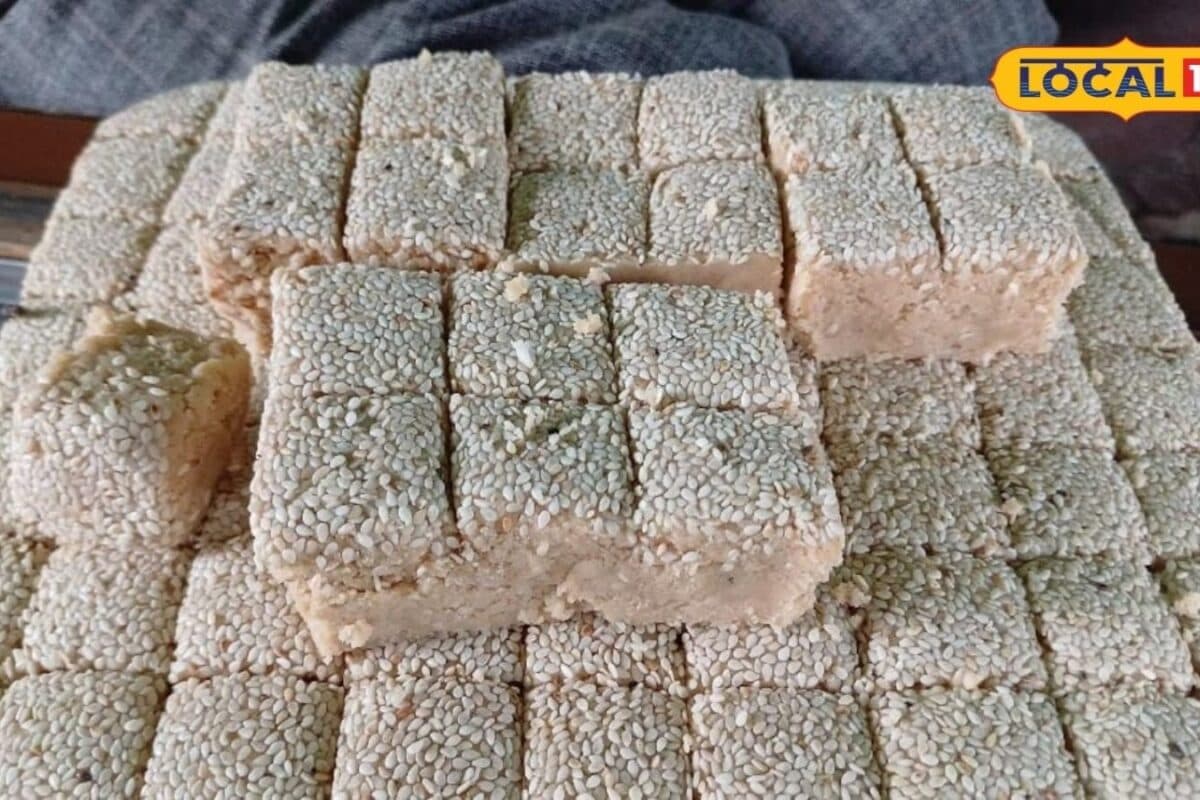
With the onset of the winter season, markets across Bharatpur have reported a noticeable surge in the demand for traditional seasonal sweets. Prominent among these regional delicacies is the revered sesame and mawa barfi, which has seen its popularity rise significantly among local residents and visitors alike. Combining the rich, nutty aroma of freshly roasted sesame seeds with the soft sweetness of traditional condensed milk, this classic confection stands out as a defining taste of the cold months across Eastern Rajasthan.
The surge in demand highlights a deep-seated winter tradition rooted in regional culinary practices. In traditional food culture, sesame seeds have long held a vital place during the colder months due to their perceived warming qualities and dense nutritional profile. The integration of sesame with mawa reflects age-old domestic sweet-making techniques that have been preserved and commercialized over generations in Bharatpur, offering a seasonal alternative to standard year-round confections.
Sweetmakers across Bharatpur report that the preparation of this seasonal specialty requires meticulous craftsmanship. The process begins with carefully dry-roasting sesame seeds to achieve an optimal aroma and light crunch, after which they are thoroughly incorporated into rich mawa. A sugar syrup of specific consistency is then added to bind the mixture, which is poured onto large trays to set before being precisely cut into standard barfi shapes. The balance between the slight crunch of sesame and the melt-in-the-mouth texture of mawa remains the primary driver of consumer demand.
Sweet shop proprietors and local traders in the region note that customer orders for sesame-based sweets peak significantly during early winter. According to confectioners operating in the main market areas, families frequently purchase this barfi both for daily household consumption and as traditional gifts for relatives during winter festivals. Consumers point out that the authentic preparation method, relying on simple traditional ingredients, retains a nostalgic appeal that commercialized modern sweets often lack.
The commercial demand for seasonal items like sesame-mawa barfi also creates ripples across neighboring agrarian districts, including Kotputli-Behror, where winter dietary habits similarly pivot toward traditional warmth-inducing foods. Local sweet vendors and dairy suppliers in nearby trade hubs experience an aligned boost in business, as demand for high-quality mawa and sesame increases simultaneously across the regional supply network. This seasonal shift highlights the interconnected nature of regional food economies in Rajasthan.
Food safety standards and market regulation come into sharper focus as sweet production escalates during peak winter months. Authorities and health experts frequently remind traders to adhere to hygiene protocols and ensure the purity of key raw materials like dairy-derived mawa and sesame seeds. Ensuring quality control across manufacturing units remains an ongoing objective for regulatory bodies overseeing food commerce in the region.
As winter progresses, sweetmakers in Bharatpur anticipate sustained robust sales for sesame and mawa barfi throughout the season. The steady market enthusiasm demonstrates how deeply embedded traditional seasonal foods remain in regional identity and everyday lifestyle. With ongoing patronage from both local households and visiting consumers, this humble winter delicacy continues to retain its firm place at the heart of Rajasthan's rich gastronomic heritage.
