
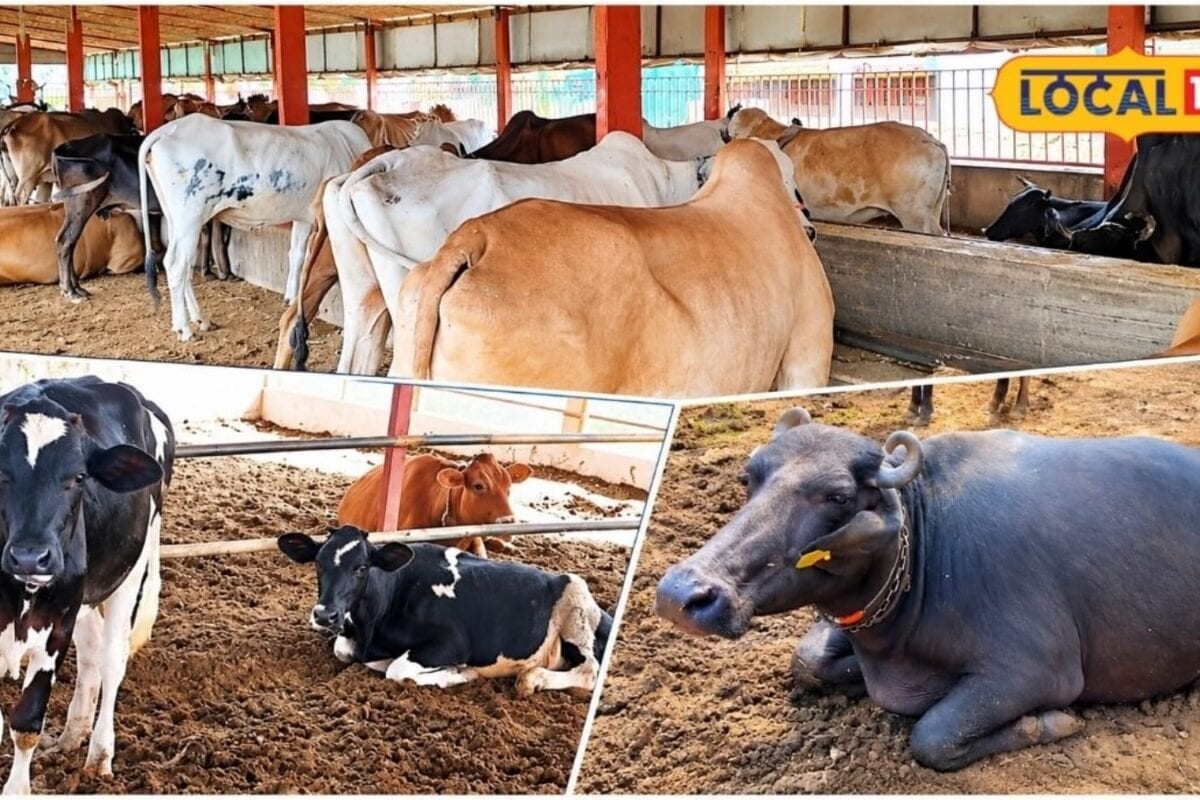
With the gradual onset of the winter season and a significant drop in ambient temperatures, the responsibilities of livestock owners and dairy farmers regarding animal health and nutritional management have intensified manifold. The winter months bring unique environmental challenges that directly impact the physiological well-being of cattle and buffaloes, requiring heightened vigilance from caretakers across the region.
Historically, winter management of livestock has always demanded careful planning to bridge the gap between nutritional requirements and seasonal vulnerability. Sudden temperature fluctuations often induce stress in animals, weakening their immune systems and making them inherently susceptible to various metabolic and gastrointestinal disorders if their dietary routines are not carefully regulated.
Addressing ground-level realities, veterinary experts have observed that seasonal storage limitations often lead to compromised fodder quality. Fodder kept in open yards for prolonged periods absorbs heavy winter dew and moisture, rendering it unsafe for daily consumption and creating a breeding ground for harmful pathogens that threaten livestock health.
Providing expert insights into animal husbandry practices, veterinary officer Vishal Prajapati has strongly advised livestock owners against feeding rotten, foul-smelling, and mold-infested fodder to their animals. Furthermore, the expert emphasized that sudden increases in the proportion of fresh green fodder, coupled with excessive quantities of concentrated feed, bran, and oilcakes, can severely disrupt the delicate digestive system of domestic animals.
Within the rural economy of the Kotputli-Behror region, where dairy farming serves as a vital supplementary source of livelihood for countless families, any decline in livestock health directly translates into economic distress. Maintaining the health standards of cattle is therefore paramount for sustaining household incomes and ensuring uninterrupted milk supply chains in local markets.
Recognizing these operational challenges, local veterinary departments and administrative bodies are continuously emphasizing the implementation of robust advisory protocols. Officials are actively disseminating crucial awareness guidelines regarding balanced dietary formulations, safe water provision, and systematic shed management to mitigate seasonal health risks for livestock.
Looking toward the upcoming months, veterinary authorities intend to sustain public outreach initiatives and educational campaigns to guide farmers on optimal winter livestock care. By adhering strictly to recommended nutritional guidelines and routine veterinary consultations, livestock owners can successfully safeguard their animals against preventable diseases while securing optimal milk production throughout the winter season.
