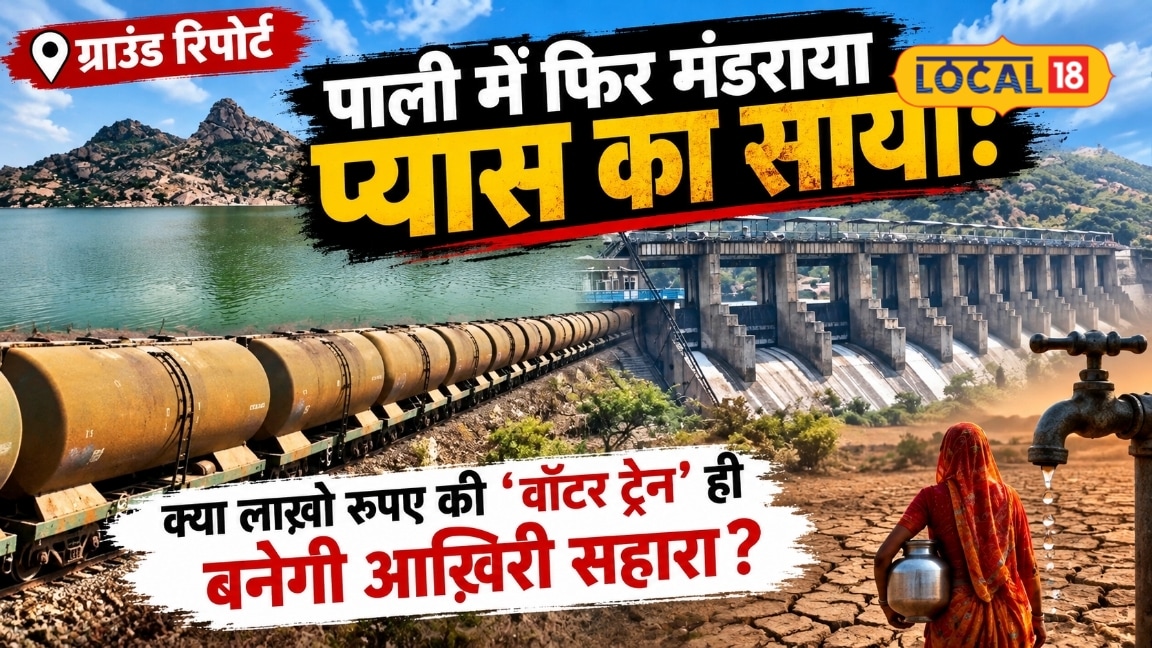
A severe water crisis is once again looming large over the Pali region as natural water resources experience an alarming depletion. The primary lifeline of the area, the Jawai Dam, has witnessed a drastic fall in its water reserves, triggering serious concerns among residents and local authorities alike. The compounding shortage threatens to disrupt daily life and commercial activities across the entire district if immediate remedial actions are not implemented swiftly.
Historically, the region has been prone to erratic weather patterns and insufficient monsoon showers, which directly affect the storage capacities of major reservoirs. The Jawai Dam serves as the critical anchor for drinking water distribution in Pali, making its current hydrological status a matter of paramount regional importance. Past dry spells have similarly pushed local infrastructure to its absolute limits, necessitating emergency interventions to sustain basic municipal functions.
According to the latest ground reports and hydrological assessments, the water level in the Jawai Dam has precipitously dropped down to approximately 24 feet. This critical figure highlights the gravity of the ongoing dry spell and underscores the urgent need for strict water conservation measures. The dwindling availability per capita signals an immediate threat to the fundamental right to water access for thousands of households dependent on the reservoir.
Local communities, civic groups, and commercial establishments are expressing deep anxiety regarding the escalating crisis. Citizens note that previous shortages severely hampered daily routines and created severe logistical hurdles for families trying to secure daily drinking water. Stakeholders across the board are calling for transparent communication from municipal authorities and a well-coordinated distribution framework to prevent chaotic scrambling for water resources.
While the immediate epicenter of the crisis is Pali, the broader socioeconomic ramifications extend across surrounding regions, including the Kotputli-Behror district and neighboring territories. Regional economic activities, agricultural routines, and livestock management are indirectly affected when municipal water grids face severe stress. The interdependence of district water management highlights the necessity of robust regional planning to mitigate future ecological shocks.
In response to the escalating emergency, the district administration has initiated formal preparations to address the water deficit. Authorities are actively working on a proposal to dispatch water trains from Jodhpur to Pali, mirroring emergency measures deployed during previous drought-like situations. This logistics-heavy intervention aims to bridge the massive demand-supply gap and provide temporary relief to the parched neighborhoods.
Looking ahead, the successful implementation of the water train proposal and subsequent distribution schedules will determine how the region navigates the peak summer months. Long-term infrastructural enhancements, watershed management policies, and stringent monitoring of water consumption remain imperative. The public and administrative machinery must work in close tandem to ensure equitable distribution and avert a humanitarian crisis.