
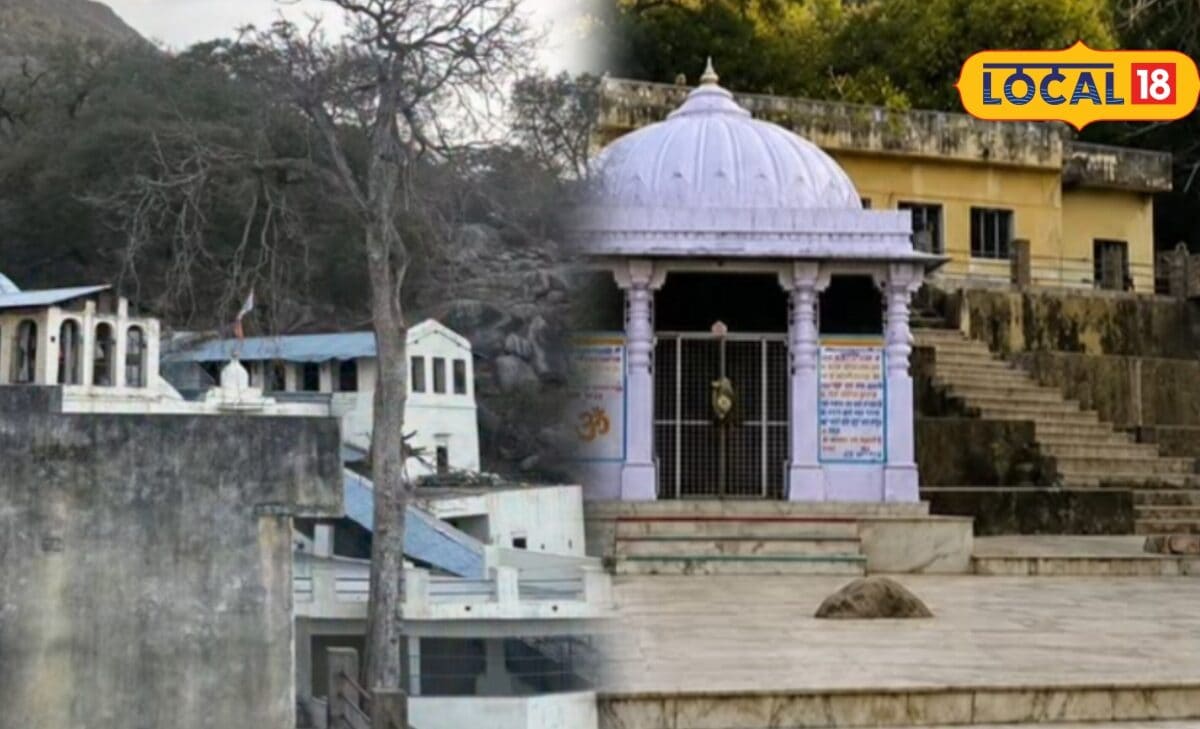
Deep within the ancient Aravalli mountain ranges in the Isra village of Sirohi district lies the remarkable and architecturally revered Vastaneshwar Mahadev Temple, a site that bridges profound theological traditions. This sacred sanctuary is primarily dedicated to Lord Shiva, yet it harbors a fascinating exception where Lord Vishnu is simultaneously revered and accommodated as an esteemed guest. The temple stands as a testament to ancient spiritual lore, drawing countless devotees, seekers, and scholars of local history who wish to witness this rare confluence of two principal deities of the Hindu pantheon under a single sacred precinct.
The historical and mythological foundations of the Vastaneshwar Mahadev Temple are deeply intertwined with the ancient creation narratives of Mount Abu. According to deeply entrenched regional beliefs and sacred traditions, thirty-three crore celestial deities and divine entities rested at this very location during the monumental establishment and consecration of Mount Abu. This divine halt transformed the terrain into a consecrated ground, imbuing every stone, stream, and summit with eternal spiritual potency that continues to resonate through generations of pilgrims and spiritual practitioners.
A distinctive operational and ritualistic feature that sets this temple apart from any other mainstream shrine is the strict protocol governing its daily worship. Tradition dictates that before any formal prayers or offerings are made to Lord Shiva, worshippers must first offer their respects and prayers to Lord Vishnu. This unique hierarchy underscores the divine hospitality extended by Lord Shiva to his celestial guest, creating an atmosphere of cosmic harmony that dictates every religious ceremony performed within the temple grounds throughout the calendar year.
Furthermore, the temple complex serves as the spiritual and geographical starting point for the renowned Abu circumambulation, a rigorous and deeply revered pilgrimage undertaken by devoted ascetics and householders alike. Pilgrims gather at this sacred threshold to invoke divine blessings before embarking on the arduous journey around the holy mountain. The presence of nearby sanctified landmarks, including the revered temple of Sant Muniji Maharaj, an ancient sacred water reservoir (kund), and a pristine natural waterfall, adds layers of theological depth and ecological serenity to the pilgrim experience.
The religious and cultural footprint of the Vastaneshwar Mahadev Temple extends far beyond immediate local boundaries, significantly influencing the regional identity and community life of the surrounding districts. The influx of devotees seeking spiritual solace contributes to the vibrant socio-cultural fabric of the area, fostering a sense of shared heritage among residents of Sirohi and adjoining territories. Local community leaders and temple committees consistently work in tandem to preserve the traditional sanctity of the landscape while accommodating the growing number of visitors.
Administrative oversight and local management committees play a crucial role in maintaining the infrastructure and preserving the pristine natural environment surrounding the temple, especially given the rugged terrain of the Aravalli hills. Local authorities coordinate closely with temple trustees to ensure safe access routes, manage crowd flows during major festivals, and safeguard the ecological balance of the nearby natural spring and ancient reservoir, thereby balancing heritage conservation with public pilgrimage needs.
Looking ahead, the administration and local stakeholders anticipate sustained interest in the temple's unique heritage, with concerted plans to enhance visitor amenities without compromising the rustic, spiritual ambiance of the location. As preparations perpetually align for upcoming sacred periods, the enduring legacy of the Vastaneshwar Mahadev Temple continues to inspire faith, devotion, and a deep appreciation for the rich mythological tapestry of the region.