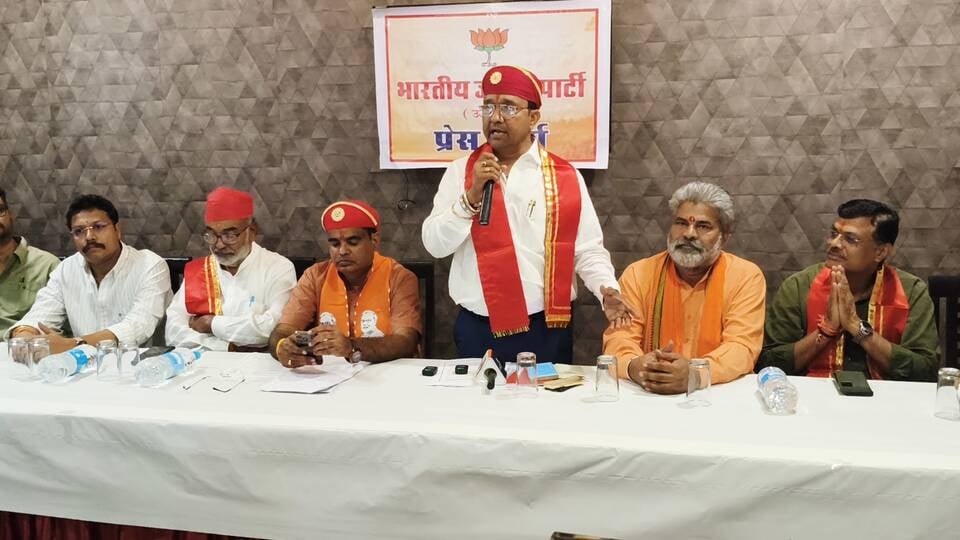
In a significant escalation of political hostilities within Udaipur, the Bharatiya Janata Party has officially launched a robust counter-offensive against the Congress party following severe allegations directed at the Chief Election Commissioner. The controversy erupted after prominent opposition leaders raised questions regarding the statutory neutrality and procedural integrity of the constitutional electoral body. This direct confrontation has triggered widespread debate across political platforms, bringing national electoral discourse down to the regional level where local party units are actively defending their respective political stances.
The historical context of this ongoing political feud traces back to a series of contentious electoral battles and administrative transitions that have deeply polarized the local constituency. Political analysts note that tensions between the two major national parties have consistently intensified during election cycles, with each side frequently utilizing institutional mechanisms to question the credibility of opponents. In Udaipur, these frictions have historically manifested through aggressive public demonstrations, press conferences, and strategic deployments of organizational machinery aimed at consolidating voter bases ahead of impending civic and legislative polls.
Examining the ground realities and logistical stakes involved in this political wrangling, party organizers and regional administrative committees are currently monitoring the massive resource allocations and mobilization efforts underway. While specific financial disclosures remain under the purview of strict electoral oversight, the logistical footprint of sustaining continuous political campaigns across Udaipur involves extensive mobilization of party workers, substantial media expenditure, and intensive grassroots outreach. Observers emphasize that the stakes for local political entities are exceptionally high, as any loss of credibility directly impacts future electoral outcomes.
Stakeholder perspectives from across the political spectrum reveal deep ideological divisions regarding the role and independence of constitutional authorities. While Congress representatives argue that vigilance over electoral machinery is essential for democratic preservation, ruling party representatives firmly maintain that these allegations are desperate attempts to undermine public trust in independent institutions. Citizens and local community leaders have expressed mixed reactions, with many calling for restraint and urging political leaders to prioritize developmental governance over perpetual confrontation.
The regional impact of these escalating tensions extends directly into the broader administrative zone, influencing local governance standards and public discourse within communities. Local administrative offices and municipal authorities find themselves navigating an increasingly polarized environment, where every procedural decision is meticulously scrutinized by rival political factions. This atmosphere of distrust can potentially slow down administrative execution and affect developmental projects designed to benefit the local populace, thereby magnifying the indirect consequences of high-level political rhetoric.
Addressing the administrative responses and statutory measures currently in place, regional election authorities have reiterated their commitment to maintaining absolute impartiality, transparency, and adherence to established constitutional protocols. Officials emphasize that all electoral processes are conducted under rigorous statutory frameworks designed to prevent external interference and ensure fair representation. Administrative mechanisms continue to operate independently, monitoring adherence to the model code of conduct and addressing any formal grievances submitted by registered political entities through proper legal channels.
Looking forward toward the timeline of upcoming political procedures and public expectations, both the Bharatiya Janata Party and the Congress party are preparing for intensified campaigns leading up to the next major electoral milestones. Public expectations center on accountable governance, transparent administration, and constructive political dialogue rather than persistent institutional conflict. As party leaders like Paras Singhvi continue to rally their supporters, the ultimate resolution of these disputes will depend heavily on the maturity of political engagement and the unwavering integrity of statutory oversight bodies.