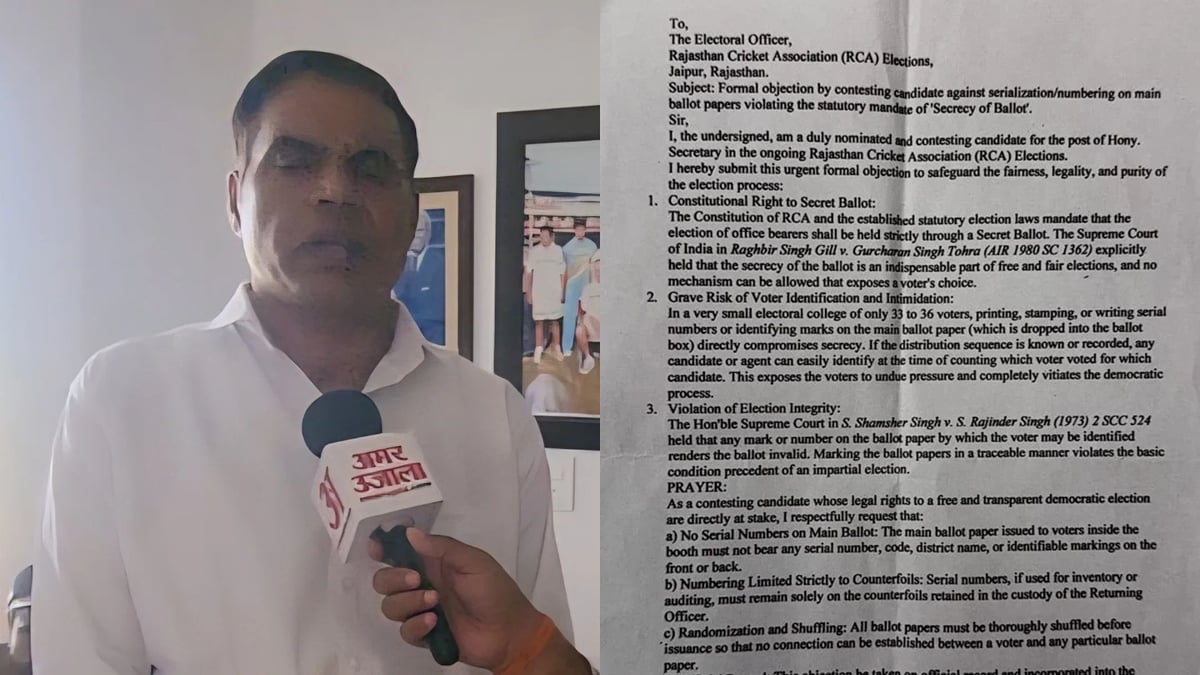
The electoral landscape of the Rajasthan Cricket Association has descended into profound turmoil as fresh controversies surrounding the voting protocols come to light. The unfolding situation has captured the immediate attention of sports administrators, political observers, and cricket enthusiasts across the entire region. At the center of this brewing storm are contentious allegations directed squarely at senior figure Arun Chaturvedi, concerning his purported interference in the delicate electoral mechanics. As the state prepares for a crucial chapter in sports governance, the integrity of the voting process itself is increasingly being questioned by various factions.
Historically, the governance of cricket within Rajasthan has experienced numerous administrative shifts, internal friction, and high-stakes power struggles. The current electoral battle is merely a continuation of a long-standing pattern where influential entities seek to consolidate control over district and state-level associations. Over the years, these administrative bodies have wielded immense authority, managing substantial financial resources, infrastructure development, and talent pipelines. Consequently, every election cycle within the Association attracts intense lobbying, legal battles, and aggressive maneuvering by competing political and administrative camps.
The latest flashpoint materialized when official election-related documents surfaced into the public domain, laying bare the underlying tensions. According to these disclosures, allegations have been forcefully leveled by political offspring against Arun Chaturvedi, accusing him of orchestrating backroom interventions to tilt the electoral balance. Compounding these grievances is the startling claim that concerted efforts are underway to bar three district associations from exercising their legitimate voting rights. Depriving these voting units threatens to alter the arithmetic of the election significantly, raising profound questions about fairness, transparency, and adherence to democratic norms within sports administration.
As these contentious developments unfold, key stakeholders from various factions have expressed deep concern over the trajectory of the ongoing electoral process. While the camp led by the protesting leader's sons demands immediate corrective measures and strict adherence to established protocols, supporters of the incumbent administration maintain that all procedures are being conducted in strict compliance with the bylaws. Observers point out that such internal conflicts invariably cast a long shadow over the development of grass-roots cricket, potentially demoralizing promising athletes who look up to these institutions for fair opportunities and professional mentorship.
The ripples of this statewide administrative dispute are inevitably felt across various districts, including regions like Kotputli-Behror, where local cricket enthusiasts and aspiring players closely monitor the developments. Local sports academies and community organizers depend heavily on stable leadership at the state headquarters for grants, tournament schedules, and infrastructural support. Any prolonged administrative paralysis or controversial electoral outcome directly impacts the local economy surrounding sports events, training camps, and the overall sporting ecosystem that nurtures rural and semi-urban talent in Rajasthan.
In response to the escalating disputes and public outcry, administrative scrutiny is mounting on the election committee to ensure absolute transparency and neutrality. Legal experts and veteran sports administrators have emphasized the necessity of independent oversight to prevent partisan manipulation and protect the democratic rights of every affiliated district association. Stakeholders are eagerly awaiting official clarifications and formal interventions from higher authorities to resolve the impasse before the final polling takes place, ensuring that the legitimacy of the ultimate victors remains unquestioned.
Looking ahead, the timeline leading up to the final vote is fraught with uncertainty and potential legal challenges that could further delay the proceedings. The public expectation remains focused on a transparent resolution that honors the statutory rights of all participating units, including the contested three district associations. As the high-stakes drama continues to evolve, the future governance of cricket in Rajasthan hangs in the balance, making the upcoming days critical for the credibility and administrative stability of the esteemed sports body.