
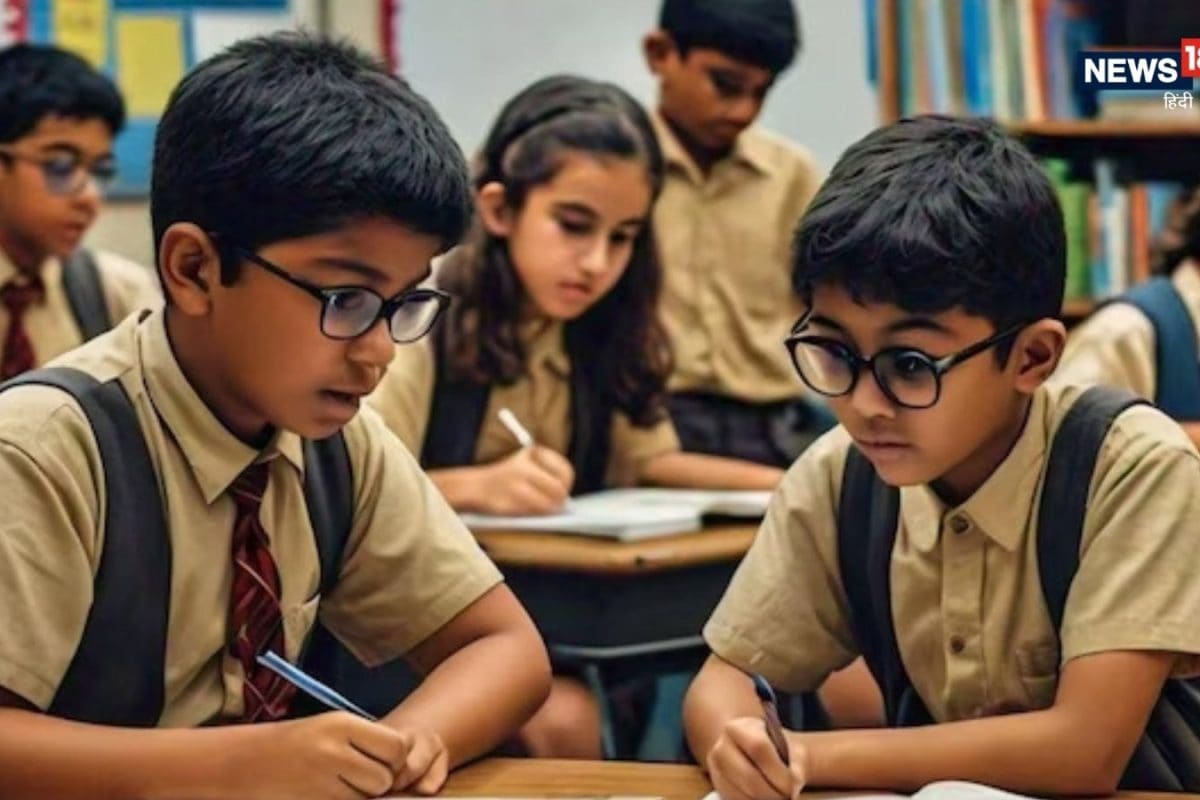
A sweeping educational transformation is quietly unfolding across remote corners of India, fundamentally reshaping how young children experience their earliest days of formal schooling. According to a comprehensive new report released by the Language and Learning Foundation (LLF), the systemic neglect of native and mother tongues in early grade classrooms has long posed a severe developmental crisis for indigenous students. For decades, young children entering primary schools faced insurmountable cognitive and linguistic barriers, forced to learn in unfamiliar dominant languages that alienated them from their academic environments. Today, however, educational practitioners and policymakers are acknowledging that early foundational learning must begin in a child's home language to prevent widespread academic dropouts and cognitive stagnation.
The historical context of this pedagogical challenge traces back to rigid educational frameworks that historically prioritized standardized regional or national languages over indigenous dialects. In regions characterized by dense tribal populations, such as the remote interiors of Odisha, the historical reliance on non-native instructional mediums resulted in profound classroom alienation. Children belonging to diverse linguistic communities often found themselves completely unable to comprehend basic instructions, leading to widespread classroom anxiety, poor learning outcomes, and eventual early dropouts. Recognizing this historical injustice, educational researchers and language experts began advocating for a paradigm shift, emphasizing that language is not merely a medium of instruction, but the primary vehicle of cultural identity, cognitive development, and emotional security for a young child.
At the heart of the current reform movement documented by the LLF report is a remarkable operational expansion reaching diverse geographical landscapes, spanning from the expansive tea gardens of Assam to the dense, historically significant forests of Odisha and Bastar. This ambitious educational intervention has successfully operationalized instruction across an astounding 21 tribal languages, bringing localized learning materials directly to classrooms that were previously neglected. Financial and logistical hurdles, including the complex documentation of unwritten dialects, the creation of culturally resonant textbooks, and the intensive training of bilingual educators, have been systematically addressed through collaborative governmental and non-governmental partnerships. By directing resources toward the printing of localized primers and teacher training manuals, these initiatives ensure that marginalized students receive equitable educational opportunities right from their foundational years.
Stakeholders across the educational spectrum, including community elders, linguistic scholars, and frontline teachers, have expressed profound optimism regarding this multilingual pedagogical approach. Direct observations from pilot districts indicate that when children are greeted in their own mother tongue upon entering the classroom, their participation levels, confidence, and comprehension metrics increase exponentially. Teachers stationed in the remote tribal pockets of Bastar and Odisha report that classroom engagement has shifted dramatically, transforming silent, intimidated groups of young learners into vibrant, interactive participants. Furthermore, community leaders have lauded the initiative for actively preserving endangered indigenous linguistic heritage, ensuring that younger generations maintain a deep, respectful connection with their ancestral roots while acquiring formal academic skills.
While the immediate beneficiaries of this multilingual education model reside in the historically tribal-dominated zones of eastern and northeastern India, the systemic insights generated by the LLF report hold valuable implications for regional educational planning across various Indian districts. Administrative authorities and educational planners nationwide are increasingly realizing that inclusive pedagogy must account for linguistic diversity at the grassroots level. Even in administrative regions transitioning toward diverse demographic patterns, the core principle of honoring the learner's native linguistic identity remains universally applicable. Policymakers are studying these implementation models to design localized curricula that respect regional linguistic nuances while maintaining broad academic standards.
In response to the alarming learning deficits highlighted in the initial assessments, administrative bodies and statutory educational committees have initiated structural measures to institutionalize multilingual education. The Language and Learning Foundation (LLF) continues to work in close coordination with state educational departments to establish monitoring frameworks, curriculum design committees, and continuous educator support systems. These administrative steps ensure that the implementation of instruction in the 21 recognized tribal languages is not treated merely as a temporary pilot project, but as a permanent, legally supported pillar of primary education policy. Institutional capacity-building workshops are being conducted regularly to train teachers in multi-grade, multilingual teaching methodologies suited for remote tribal schools.
Looking toward the future, the roadmap for multilingual education in India's foundational years envisions a standardized, scalable framework that can be adapted to encompass even more regional dialects over the coming years. Educationists anticipate that as empirical data regarding the success of instruction in these 21 tribal languages accumulates, central and state funding for mother-tongue-based multi-lingual education will see a substantial enhancement. Public expectations remain high, with parents and community organizations actively demanding the expansion of native-language schooling up to higher primary grades. By bridging the critical gap between home and school languages, this nationwide movement promises to build a more inclusive, literate, and culturally empowered generation of young learners.
