
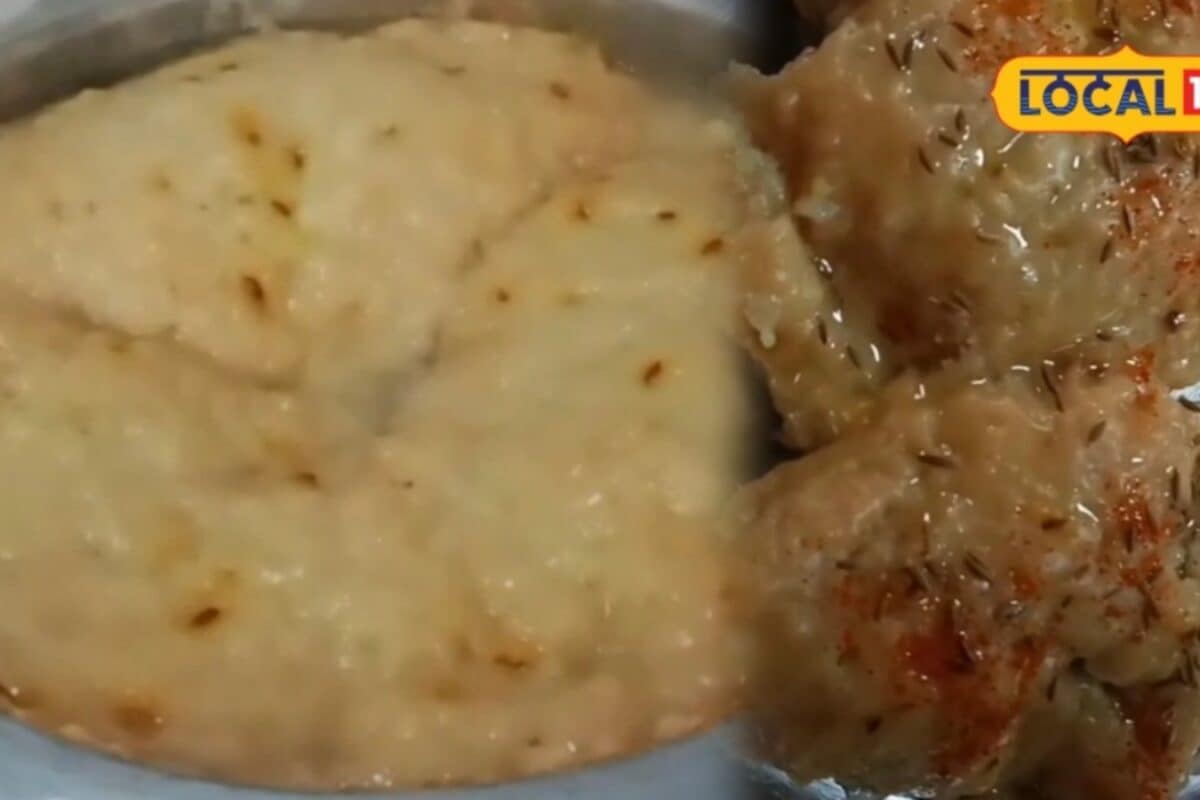
Kotputli News brings an authoritative culinary report focusing on a distinct regional delicacy that has captured the attention of food enthusiasts across the region. During the winter season, when households constantly seek innovative and wholesome traditional breakfast options, the lesser-known Rajasthani Maida Dhokla from Jalore emerges as a fascinating culinary surprise. While urban centers predominantly associate the word dhokla with besan or gram flour, the cultural kitchens of Jalore maintain a deeply revered tradition of preparing this specific snack using refined wheat flour instead.
The historical context of this recipe is rooted deeply in the indigenous culinary wisdom of Jalore, where local ingredients and resourcefulness dictated daily meal preparations. Generations of families have passed down the specialized technique of substituting standard legume flours with refined flour to achieve a totally unique texture and flavor profile. This traditional adaptation reflects the diverse and evolving gastronomic landscape of Rajasthan, demonstrating how simple domestic staples can be transformed into celebrated regional delicacies without requiring complex spice combinations or external ingredients.
Examining the ground reality of preparing this authentic dish reveals precise logistical and procedural requirements that ensure its distinctive taste. According to local culinary insights, the entire preparation relies heavily on fundamental kitchen ingredients rather than elaborate culinary paraphernalia. The process requires precise temperature control and structural handling of the dough, specifically highlighting the steaming duration which strictly ranges between 15 to 20 minutes to achieve the desired softness and structural integrity before portioning into smaller bite-sized pieces.
Providing key local perspectives, homemaker Anita Jain sheds light on the straightforward yet meticulous methodology involved in crafting this authentic regional snack. She explains that the preparation begins by thoroughly combining refined flour with salt and cumin, followed immediately by binding the mixture using adequately hot water to create a uniform dough. Once the dough is properly kneaded and shaped into traditional dhokla forms, it undergoes the crucial steaming process for 15 to 20 minutes to ensure thorough cooking.
Looking at the broader regional implications within households, this traditional recipe serves as a bridge connecting culinary heritage with modern domestic convenience. The accessibility of the ingredients ensures that families across the Kotputli-Behror district and neighboring regions can easily replicate the authentic taste of Jalore in their own kitchens during the winter months. The snack effectively bridges generational gaps, appealing universally to young children and elders alike due to its comforting warmth and simple yet robust flavor profile.
While traditional recipes of this nature typically operate within domestic spheres without direct statutory oversight, regional food safety and cultural preservation bodies actively encourage the documentation of such indigenous preparations. Culinary experts emphasize that preserving authentic regional recipes safeguards intangible cultural heritage against homogenization. Local community networks and food documentation initiatives continue to record these traditional methodologies to ensure they remain accessible to future generations of home cooks.
As winter progresses and public interest in authentic regional gastronomy continues to rise, the traditional Maida Dhokla from Jalore stands out as a prime example of domestic culinary ingenuity. The final serving ritual—which involves slicing the steamed portions into small pieces, generously applying pure ghee or cooking oil, and seasoning them simply with red chili powder, salt, and cumin—exemplifies the minimalist yet deeply satisfying ethos of traditional Rajasthani rural kitchens, promising sustained popularity in community households for years to come.
