
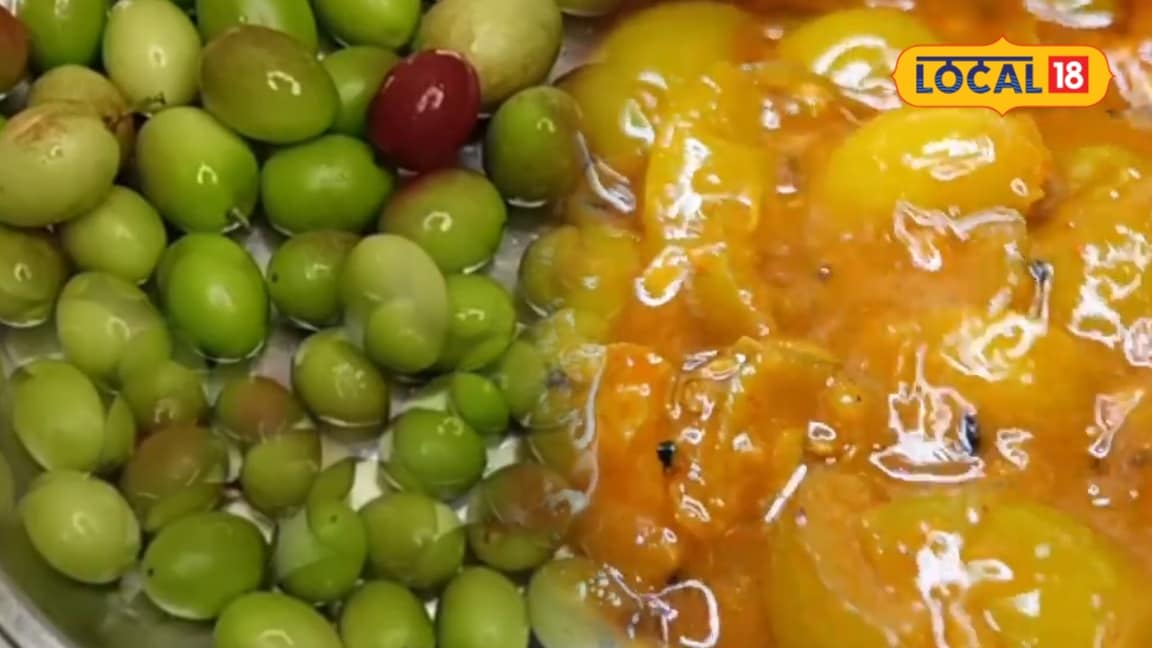
In the vibrant culinary landscape of Rajasthan, traditional recipes passed down through generations continue to offer a remarkable blend of taste and health benefits. Among these culinary treasures, the preparation of Kerunde sabzi stands out as a quintessential example of indigenous cooking wisdom. Food enthusiasts who often grow weary of conventional green vegetables frequently turn to this traditional delicacy as an exciting and flavorful alternative.
The historical and cultural roots of such recipes are deeply embedded in the rural lifestyle of the region, where availability of ingredients and health preservation dictated daily meal preparation. Historically, households relied on seasonal produce and indigenous elements that could withstand local climatic conditions while providing essential nutrition. This dish exemplifies the ingenuity of regional culinary traditions that maximize flavor without relying on excessive processing.
From a nutritional and logistical standpoint, the preparation requires remarkably simple ingredients that are readily available in local markets across Rajasthan. The dish can be crafted using very minimal oil or entirely without oil, appealing to health-conscious individuals who prioritize cardiovascular wellness and balanced diets. Local culinary experts emphasize that the incorporation of fresh tomatoes, onions, garlic, and traditional spices creates a nutrient-dense profile that supports daily vitality.
Culinary practitioners, home cooks, and local food vendors actively share techniques for perfecting this regional specialty. According to experienced homemakers, the secret lies in properly balancing the indigenous spices with the natural tartness of the ingredients. Community discussions frequently highlight how this traditional preparation brings back authentic flavors that modern fast-paced cooking often overlooks.
Within the local communities across the region, the popularity of such traditional recipes fosters a deeper appreciation for indigenous agriculture and local produce. Families pass down the precise cooking methods from one generation to the next, ensuring that cultural heritage remains alive in daily domestic routines. This cultural preservation extends beyond individual households, influencing local eateries and regional food festivals.
Nutritional advisors and wellness advocates frequently endorse dishes like Kerunde sabzi as part of a balanced lifestyle, noting the absence of heavy fats and chemical additives. Public health awareness programs in the state often encourage the revival of traditional cooking techniques to combat lifestyle-related health concerns. By utilizing natural ingredients and wholesome spices, these recipes align with contemporary nutritional science.
Looking ahead, the culinary community anticipates a resurgence in the popularity of authentic Rajasthani vegetarian dishes as more people seek out healthy, plant-based dietary options. Culinary workshops, cultural exhibitions, and digital platforms are increasingly featuring these heritage recipes to a broader audience. As modern generations embrace both heritage and health, traditional preparations like Kerunde are poised to retain their cherished place in contemporary kitchens.
