
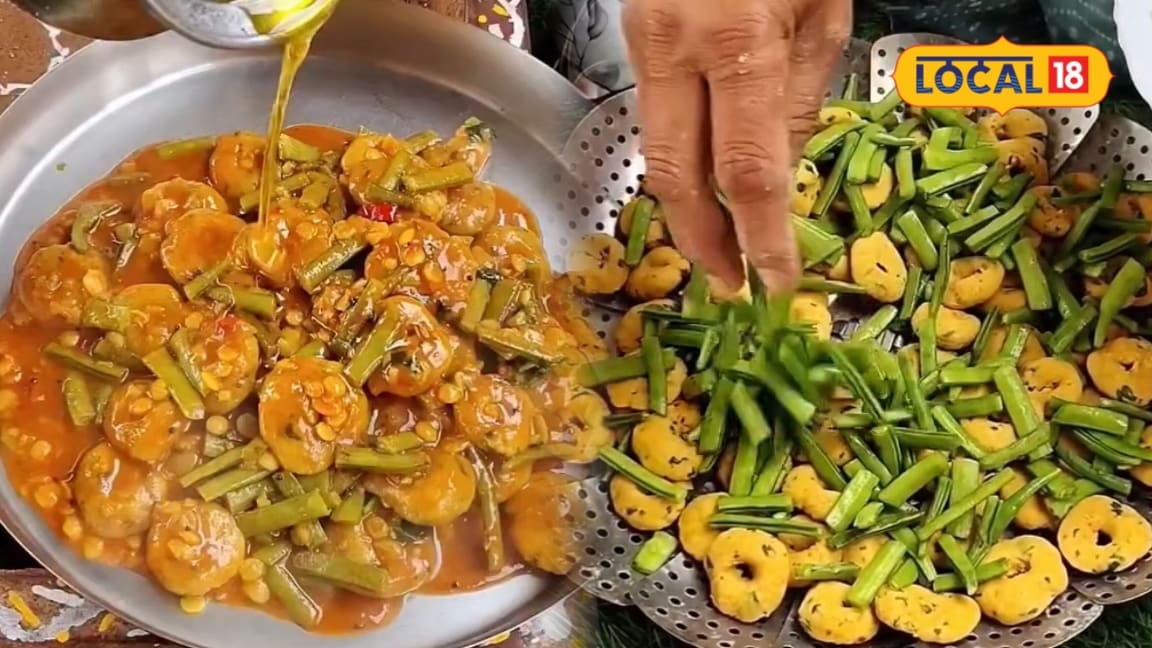
With the onset of the winter season, culinary traditions take center stage across households, bringing forth dishes that offer both warmth and nourishment. Among the most cherished traditional preparations, the Rajasthani Gwarphali Dhokli has emerged as a seasonal favorite, celebrated for its robust flavors and high nutritional value. This wholesome preparation seamlessly integrates locally sourced ingredients into a comforting meal designed to combat the chill.
The culinary history of Rajasthan is deeply rooted in utilizing resilient crops that thrive in arid climates, and cluster beans, locally known as gwarphali, represent a cornerstone of this heritage. Combined with besan, or gram flour dumplings, this recipe reflects the ingenuity of traditional cooks who mastered the art of balancing coarse grains and seasonal vegetables. Over generations, this dish has transitioned from a daily staple in rural kitchens to a celebrated delicacy appreciated during colder months.
From a nutritional and economic standpoint, this traditional preparation utilizes accessible, nutrient-dense ingredients that support holistic well-being during winter. Cluster beans are renowned for their dietary fiber, vitamins, and minerals, while gram flour provides a substantial source of plant-based protein. When combined with the therapeutic benefits of fresh garlic and warming indigenous spices, the dish serves as a comprehensive dietary supplement against seasonal ailments.
Culinary experts and homemakers alike emphasize the meticulous process required to achieve the authentic taste of Gwarphali Dhokli. Local home cooks note that the secret lies in slow-cooking the beans and allowing the gram flour dumplings to absorb the rich flavors of the spice-infused gravy. This communal sharing of recipes reinforces cultural ties and preserves ancestral knowledge across generations within the community.
The regional impact of promoting such traditional recipes extends beyond household kitchens, influencing local markets and agricultural producers who cultivate indigenous vegetables. Vendors report an increased demand for fresh cluster beans, garlic, and pure desi ghee during the winter months, providing a positive economic boost to local agricultural trade and weekly markets.
As contemporary diets increasingly lean toward processed foods, community elders and cultural preservationists advocate for the regular inclusion of time-tested dishes like Gwarphali Dhokli in daily routines. Public awareness campaigns and food enthusiasts stress the importance of documenting these culinary arts to ensure they are safely transmitted to future generations without losing their authentic essence.
Looking ahead, culinary workshops and food festivals are expected to feature traditional Rajasthani preparations prominently, encouraging younger demographics to learn these authentic cooking methods. By embracing heritage recipes that prioritize local nutrition and seasonal harmony, communities can maintain a sustainable and health-conscious approach to modern gastronomy.
