
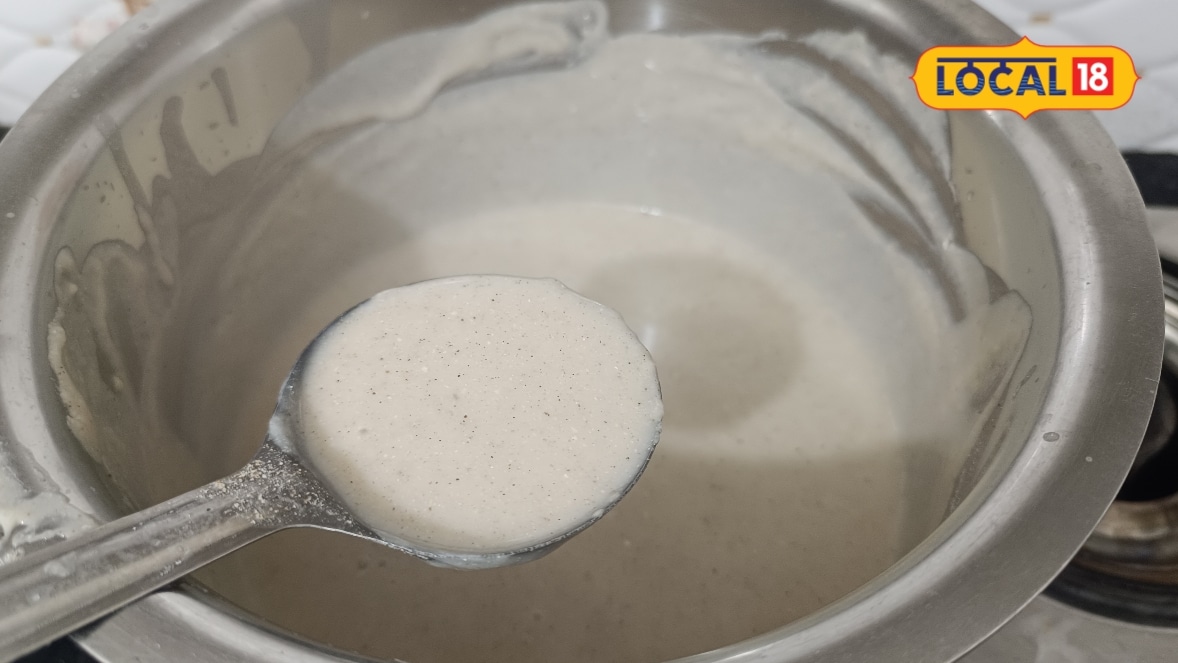
In the rural expanses of Dhaulpur, the onset of the winter season brings to the forefront a deeply entrenched culinary tradition that has sustained local communities for generations. The dish in focus is Maheri, an indigenous rustic preparation crafted primarily from pearl millet flour, locally known as bajra, combined with fermented buttermilk, commonly referred to as mahī. This traditional winter delicacy occupies a central place in the daily dietary routine of villagers, serving as a primary source of nourishment and warmth during the biting cold winter mornings.
The culinary roots of Maheri trace back centuries into the agrarian heritage of rural Rajasthan, where local households mastered the art of transforming humble, locally harvested grains into nutrient-dense survival foods. Historically, pearl millet has served as the staple crop of arid and semi-arid regions, providing essential resilience against harsh weather conditions. Over successive generations, rural families refined the preparation method of Maheri, passing down the recipe through oral traditions as an effective means to combat the physiological challenges posed by dropping ambient temperatures during winter months.
Examining the ground realities of its preparation reveals a meticulous culinary process deeply integrated into rural domestic life. The dish requires precise proportions of fresh bajra flour and sour buttermilk, simmered slowly over traditional hearths to achieve its signature consistency. While exact commercial trade volumes are part of informal local exchange networks rather than institutional market reporting, the household-level consumption across Dhaulpur villages spikes significantly during winter. Families routinely dedicate morning hours specifically to the preparation of this wholesome breakfast, ensuring that every member partakes in a nutrient-rich meal before embarking on strenuous agricultural labor.
Local community members, elders, and homemakers emphasize that Maheri is much more than a mere seasonal meal; it represents a vital cultural anchor and a repository of indigenous nutritional wisdom. Village residents point out that the unique combination of fermented dairy and millet provides sustained physical energy, aiding digestion while keeping internal body warmth optimal. The tradition of serving the dish warm, accompanied by generous portions of milk and jaggery, transforms the rustic preparation into a delicacy that bridges nutritional necessity with culinary satisfaction, earning praise from the youngest children to the oldest patriarchs.
Although the primary epicenter of this dietary tradition remains firmly rooted in the rural hinterlands of Dhaulpur, its underlying philosophy mirrors the broader cultural appreciation for millets across Rajasthan, including districts like Kotputli-Behror. The revival of interest in traditional millets aligns with contemporary nutritional guidelines that advocate for indigenous grains. In rural markets and households alike, the appreciation for heritage recipes like Maheri reinforces local economic reliance on indigenous agricultural produce, thereby supporting regional farming communities who cultivate pearl millet without heavy reliance on commercial supply chains.
From an institutional and administrative perspective, while the preparation of Maheri remains a strictly domestic and community-driven practice rather than a heavily regulated commercial commodity, local administrative bodies and agricultural extension agencies frequently highlight the importance of millet consumption. Promotional campaigns aimed at recognizing millets as nutritional powerhouses indirectly bolster the cultural continuity of dishes like Maheri. Health officials and rural development workers often encourage the preservation of such dietary habits as part of broader initiatives to combat nutritional deficiencies and promote traditional, chemical-free food practices.
Looking toward the future, the enduring popularity of Maheri in Dhaulpur signals a robust preservation of intangible cultural heritage amidst modern dietary shifts. As younger generations continue to embrace this winter staple alongside their elders, the practice is projected to maintain its prominent status in rural households. Public expectations remain centered on preserving these indigenous recipes through community gatherings, local food festivals, and intergenerational knowledge transfer, ensuring that the legacy of Dhaulpur's winter superfood continues to thrive for decades to come.
