
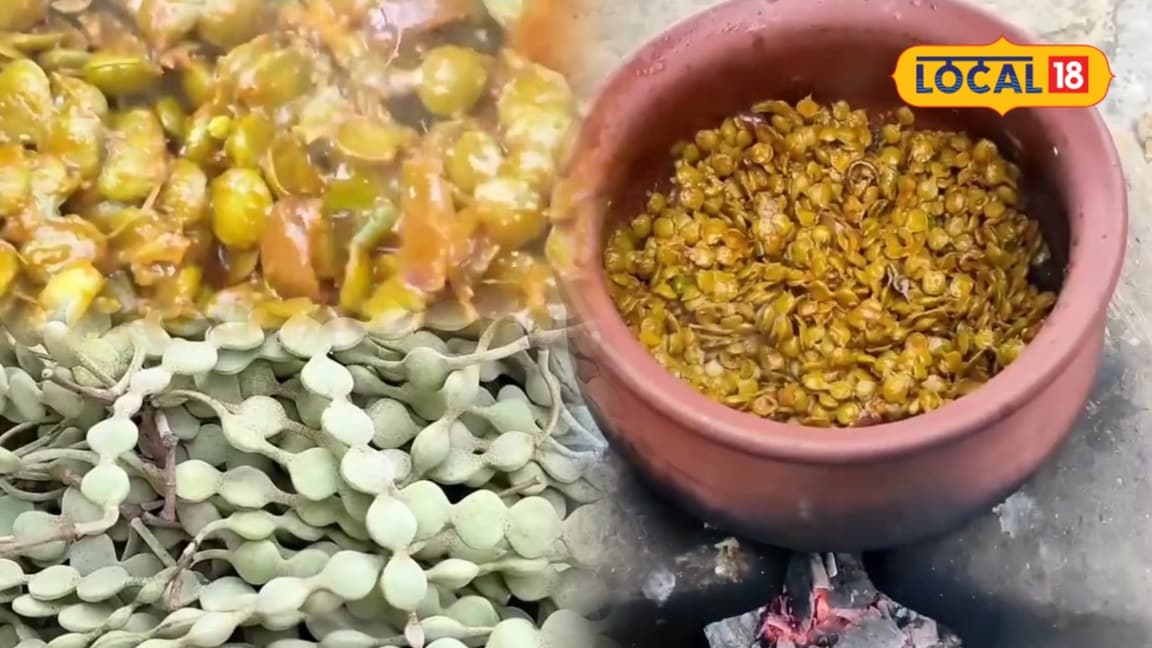
In the vibrant culinary landscape of Rajasthan, a forgotten heritage recipe has recently captured widespread public attention. The traditional preparation known as native Babool tender leaves vegetable, deeply rooted in the cultural history of Pali, has resurfaced in modern discussions. Culinary experts and health advocates are revisiting this ancient practice, which utilizes the often-overlooked foliage of the native tree to create a nutrient-dense and flavorful dish.
Originating from the arid regions of Marwar, this recipe reflects the profound ingenuity of earlier generations. Historically, communities in Pali and surrounding areas mastered the art of transforming wild flora into wholesome sustenance. During times of seasonal scarcity and climatic extremities, local families relied on indigenous ingredients that offered both nourishment and medicinal value, passing these valuable culinary secrets down through matriarchal lineages.
The meticulous preparation of this dish involves gathering fresh, tender leaves of the native Babool tree. Culinary practitioners carefully clean the foliage before blending it with a rich mixture of besan, curd, and traditional regional spices. This careful balancing of ingredients not only neutralizes the inherent bitterness of the leaves but also creates a harmonious flavor profile that distinguishes Marwari gastronomy from other regional cuisines.
Nutritional and medical assessments consistently highlight the exceptional properties embedded within this traditional preparation. Indigenous wellness practitioners in Pali emphasize that the dish acts as a natural tonic for digestive health, offering relief from various gastric ailments. Modern dietary researchers are increasingly acknowledging that these ancestral recipes contain vital bioactive compounds capable of supporting overall bodily well-being without relying on synthetic supplements.
Beyond its immediate health advantages, the renewed appreciation for Babool leaf curry signifies a broader cultural resurgence across Rajasthan. Local communities are taking immense pride in reviving indigenous dietary habits that connect them to their historical roots. This culinary movement encourages younger generations to embrace sustainable eating practices by utilizing locally available botanical resources rather than depending exclusively on commercial produce.
Local cultural organizations and culinary historians in the region are actively documenting these age-old recipes to prevent them from vanishing into obscurity. Educational workshops and community gatherings are being organized in Pali to demonstrate the precise cooking techniques required for preparing this complex dish. These institutional efforts ensure that the generational knowledge surrounding indigenous Marwari cuisine remains preserved for future posterity.
As public interest continues to grow, this traditional delicacy is finding its way from rural hearths into contemporary culinary discourse. Food enthusiasts across Rajasthan and beyond are eager to experience the distinct taste and therapeutic benefits of the dish. Accompanied traditionally by freshly prepared millet flatbreads, this historic recipe stands as a testament to the enduring culinary wisdom of Marwar.
